


 Share
Share

Vanilla is often celebrated as one of the most luxurious flavourings across the globe. While many people automatically associate this aromatic pod with distant islands like Madagascar, a remarkable transformation has been unfolding within the lush, tropical landscapes of southern India. The state of Kerala, traditionally known as the spice garden of India, has established a legendary status for cultivating some of the finest vanilla beans in the world. Historically, vanilla cultivation in India began over a couple of centuries ago, but it gained significant commercial momentum from the early nineteen-nineties and two-thousands onwards. Prompted by fluctuating returns on traditional crops like rubber and coffee, farmers in South India turned to vanilla as an ideal intercrop. Today, the region produces exceptional yields of Vanilla planifolia, the single orchid species most preferred for natural vanilla flavouring worldwide. Grown in nutrient-rich forest soils under filtered sunlight, this spice represents a magnificent triumph of local agricultural practices.
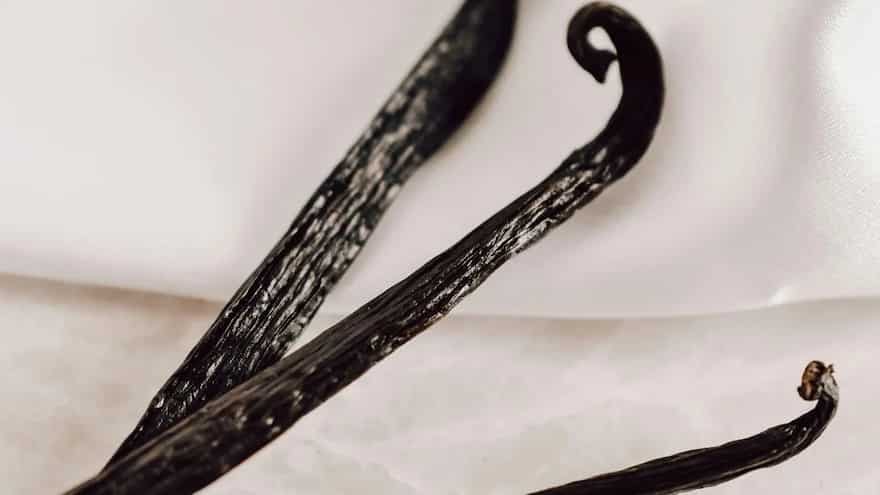
Image credit: Pexels
What Makes Kerala Vanilla Unique
To understand the exceptional nature of Kerala vanilla, one must look at the specific environmental conditions of the region. The climbing orchid thrives in warm, tropical environments with frequent rainfall, making areas like Idukki and Wayanad ideal habitats. When integrated into local polyculture farms, the vines climb up supporting trees amidst coconut palms, pepper vines, and coffee shrubs. This agricultural methodology imparts a distinct terroir to the crop.
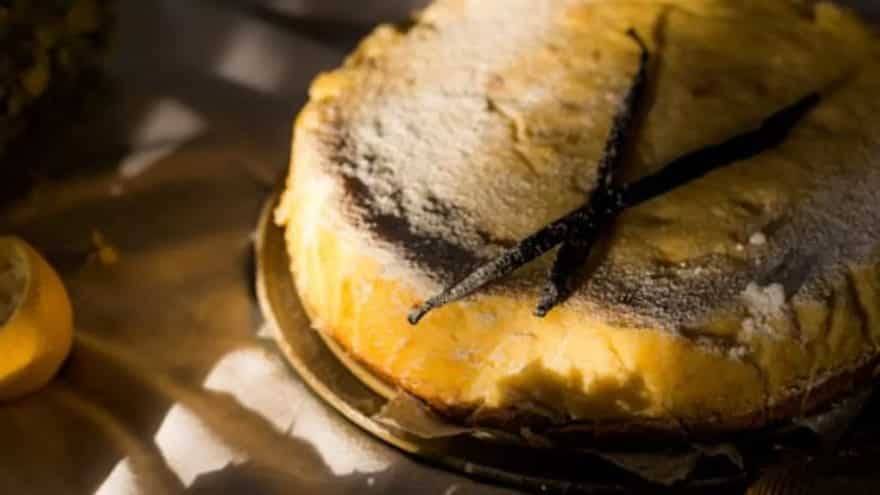
Image credit: Pexels
The primary quality marker of any cured vanilla bean is its aromatic profile, driven by natural vanillin and over one hundred and seventy secondary volatile compounds. While synthetic alternatives exist, they lack the multi-layered depth provided by nature. Kerala vanilla beans are distinctively plump, oily, and dark brown. In terms of fragrance, they offer a rich, creamy sweetness combined with deep, earthy undertones and a subtle hint of dark chocolate. This complex sensory profile allows Indian vanilla to maintain a reputation for superior quality in international trade. Unlike the intensely floral varieties found in other parts of the world, the Keralan bean is robust, warm, and highly resilient under heat.
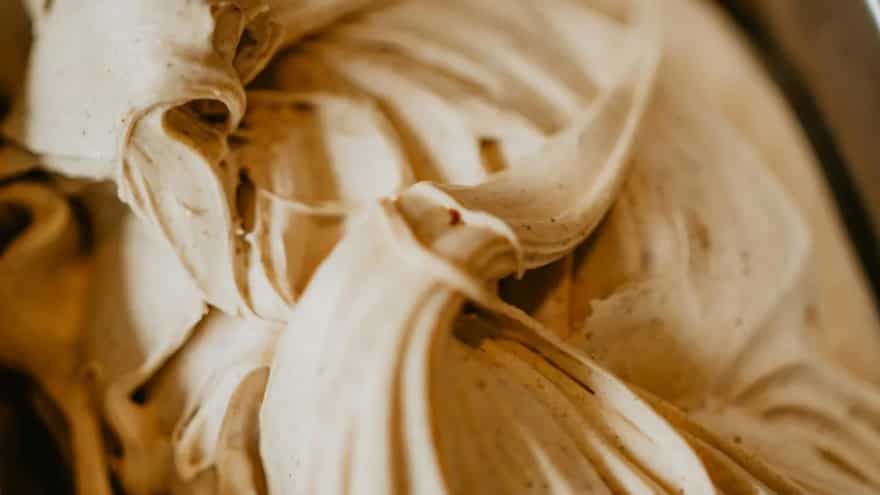
Image credit: Pexels
How Kerala Vanilla Differs From Global Varieties
When comparing vanilla varieties, baking enthusiasts often focus on Madagascar Bourbon vanilla. While both regions cultivate the Vanilla planifolia species, the differences in soil composition, altitude, and curing traditions create separate profiles. Madagascar vanilla is famed for its classic, clear, sweet vanillin flavour. In contrast, the beans harvested from Kerala possess a more complex, spicier bouquet with prominent chocolate notes.
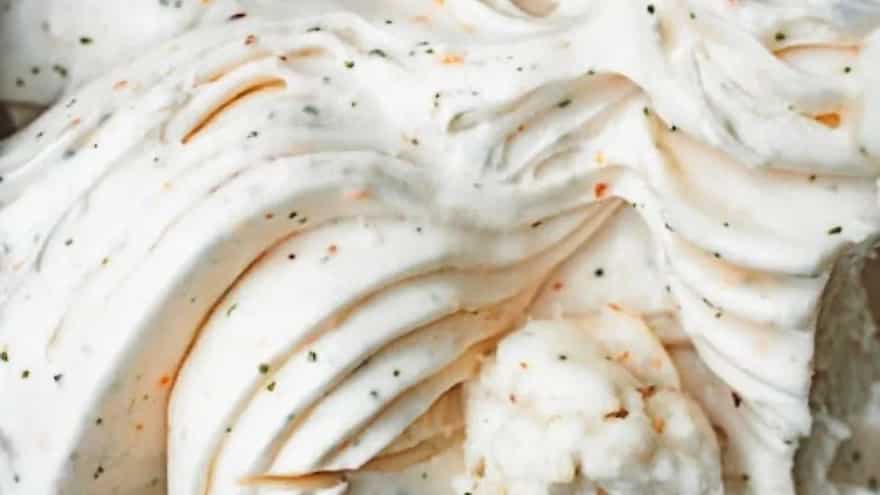
Image credit: Pexels
Another major global competitor is Tahitian vanilla, which originates from a completely different species known as Vanilla tahitensis. Tahitian pods are intensely floral, reminiscent of cherry and anise, but they are highly sensitive to heat and can lose their nuance during baking. Kerala vanilla remains highly stable during long cooking processes, making it perfectly suited for traditional Indian culinary techniques that require prolonged simmering, as well as high-temperature baking.
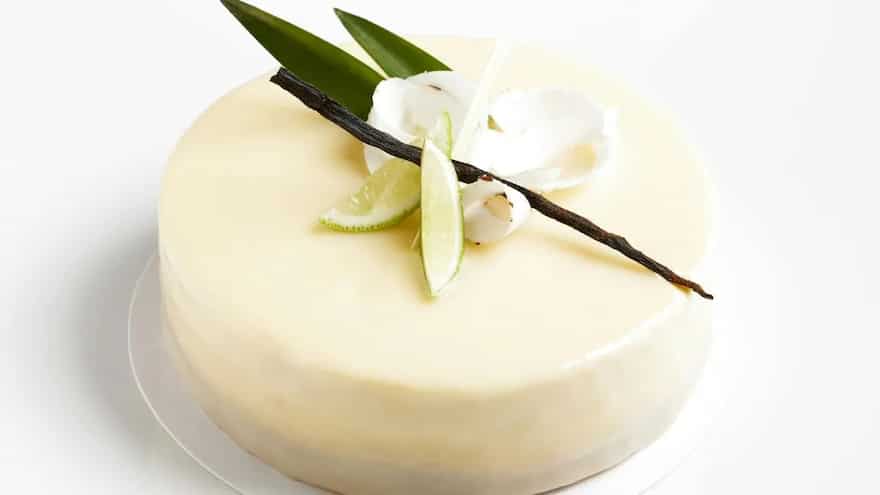
Image credit: Pexels
Mastering Vanilla Preparations At Home
To get the absolute most out of a premium Kerala vanilla pod, you can transform it into various versatile kitchen staples. Rather than just scraping the seeds into a single bowl of cake batter, learning how to create extracts, infusions, and sugars ensures that every single bit of the precious orchid pod is utilised efficiently.
Crafting Homemade Vanilla Extract
Making your own extract is an excellent way to capture the long-term essence of the bean. To prepare an alcohol-based extract, take three or four plump Kerala vanilla pods and split them open lengthwise to expose the inner seeds. Place the pods inside a clean, dark glass jar or bottle and pour in approximately two hundred millilitres of a neutral, high-proof spirit such as vodka, ensuring the beans are completely submerged. Seal the bottle tightly and store it in a cool, dark cupboard for a minimum of two months, giving it a gentle shake once every week. Over time, the liquid will mature into a rich, amber-coloured fluid packed with complex vanillin notes. For a non-alcoholic alternative, substitute the spirit with food-grade vegetable glycerine, heating it very gently before pouring it over the split pods to help kickstart the infusion process.
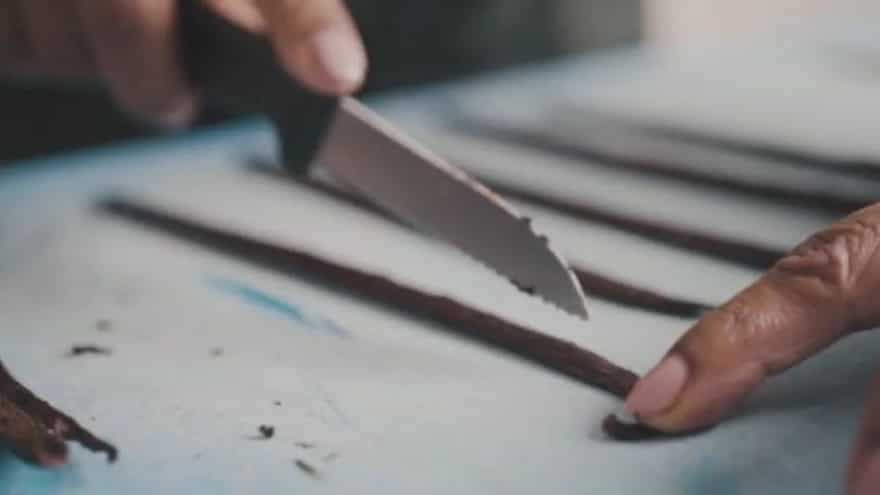
Image credit: Pexels
• How to use it: Homemade vanilla extract is highly versatile because it distributes evenly through liquid and dry ingredients alike. It is ideal for daily baking projects like stirring into a classic sponge cake batter, blending into chocolate chip cookie dough, or whisking into pancake and waffle batters. Because the flavour is concentrated, a single teaspoon is usually enough to impart a wonderful background warmth to an entire batch of baked goods.
Creating Rich Aromatic Infusions
Liquid infusions are perfect when you need an immediate, deeply integrated vanilla presence in your cooking, particularly for dairy or syrup bases. To create a classic milk or cream infusion, split a fresh pod and scrape out the seeds. Add both the dark seeds and the empty woody pod into a saucepan containing whole milk or heavy cream. Bring the mixture to a very gentle simmer over low heat for about fifteen minutes, making sure the liquid does not boil over. This allows the warmth to draw out the delicate, fat-soluble flavour compounds from the pod. To make a sweet vanilla syrup infusion, simmer equal parts water and sugar with a split vanilla bean until the sugar dissolves completely, then let it cool with the pod still inside.
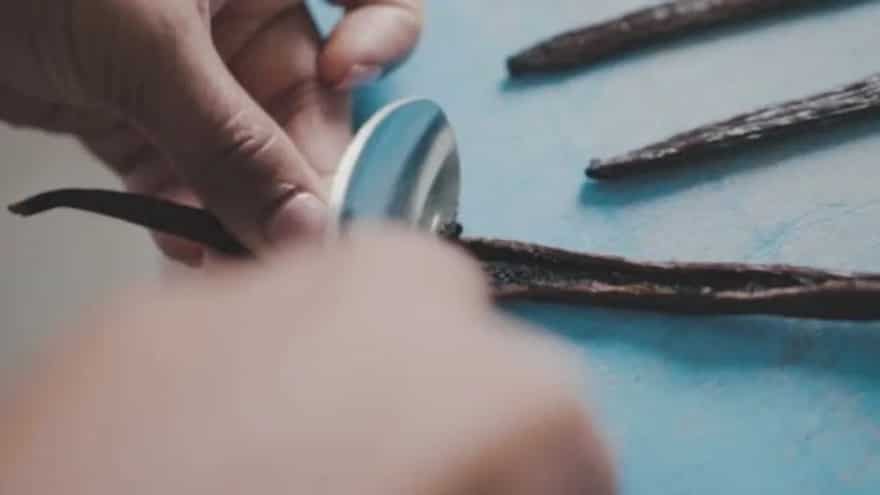
Image credit: Pexels
• How to use it: Vanilla-infused milk or cream serves as the ultimate gourmet base for homemade custards, panna cotta, and traditional ice cream. For an Indian kitchen, this method works beautifully when preparing festive milk-based desserts like payasam, kheer, or basundi, where the creamy chocolate notes of the Kerala bean pair beautifully with the reduction of milk. The vanilla simple syrup infusion can be drizzled over fresh fruit salads, used to soak sponge cake layers to keep them moist, or added to weekend iced coffees.
Preparing Fragrant Vanilla Sugar
Vanilla sugar is a brilliant way to practice zero-waste cooking by recycling pods that have already been scraped for other recipes. Take an empty, leftover vanilla pod or even a fresh split pod and submerge it entirely into a large glass jar filled with regular granulated sugar, castor sugar, or brown sugar. Seal the jar tightly and leave it undisturbed in your pantry for two to three weeks, giving the container a quick shake every few days to redistribute the oils. The sugar crystals will naturally absorb the moisture and volatile aromatic compounds from the pod, transforming into a highly fragrant baking essential.
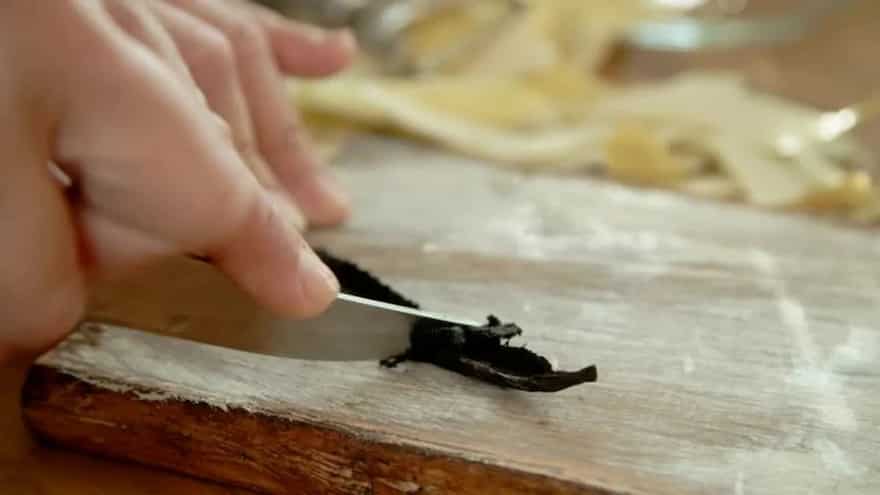
Image credit: Pexels
• How to use it: Use this infused sugar as a direct replacement for regular sugar in delicate recipes like shortbread biscuits, butter cookies, or meringues. It also makes a wonderful finishing touch when dusted over warm muffins, stirred into a morning cup of tea or coffee, or used to coat the rims of creative mocktails and cocktails for an elegant, aromatic presentation.
The Sustainable And Economic Impact
Choosing to purchase and cook with local vanilla also supports the domestic agricultural community. In the southern peninsula, vanilla cultivation provides essential alternative income to smallholders, allowing families to sustain their farms during periods when primary crop prices drop. By prioritising local produce over imported varieties, home cooks reduce the carbon footprint associated with global shipping while ensuring that fair compensation directly reaches the hardworking farmers of the Western Ghats.




