


 Share
Share

Darjeeling’s autumn flush appears after the monsoon has withdrawn and the gardens begin to settle into a calmer and cooler phase. The bushes respond to this shift in temperature and daylight with leaves that grow at a slower pace, and producers approach this harvest with methods that respect the seasonal constraints. Autumn teas from this region tend to stay overlooked by new drinkers who may gravitate towards the first or second flush, yet a closer look reveals that this final harvest carries its own identity. Many estates treat this period with considerable care because the weather can become unpredictable, and each batch carries the imprint of the colder air that moves through the hills. A beginner can understand this flush by studying its timing, its processing and the small cues that reveal its seasonal signature.

Image credit: Pexels
Understanding The Autumn Flush Season
The autumn flush usually begins in late October and continues into November, depending on the elevation of the garden and the pace of the post-monsoon retreat. The leaves that grow at this time develop under clearer skies and cooler nights. This shift in climate creates a slower growth cycle, which influences the final profile of the tea. Producers must monitor moisture levels in the air because the hills can move between dry and misty conditions within a single day. Factories also adjust oxidation times based on how the leaf responds to the lower temperatures. Many estates in Darjeeling treat this period as a final opportunity to craft teas with a distinct seasonal expression. The result often carries a firmer structure and a more settled aroma compared to the earlier flushes. This seasonal specificity matters to beginners because it sets the autumn flush apart as a tea shaped directly by climate and timing.
Why The Autumn Leaf Develops Its Particular Profile
The character of the autumn flush begins in the garden itself. The bushes store nutrients during the monsoon months, and these reserves influence the leaves that sprout after the rains have passed. Cooler nights slow down biochemical reactions within the leaf, and this shift creates a different set of compounds that appear during withering and oxidation. Many tea makers speak of a deeper tone in the autumn leaf, which emerges from the interplay between stored plant sugars, ambient moisture and the controlled drying process. The leaf shows a restrained aromatic layer that develops more fully in the cup when brewed at a steady temperature. The final liquor tends to hold a rounded impression that beginners can identify by paying attention to the edge of the flavour rather than the centre. The autumn flush does not rely on vivid notes. It often presents a layered structure that rewards slow tasting.

Image credit: Pexels
How Beginners Can Brew And Explore This Flush
Brewing the autumn flush requires attention to temperature, infusion time and the shape of the leaf. Most autumn teas from Darjeeling respond well to water that is heated slightly below boiling. This protects the more delicate compounds that emerge during the slow autumn growth phase. A beginner can start with a short infusion and extend it gradually to explore the fuller character of the leaf. Glass or porcelain teapots work well because they preserve clarity. Paying attention to the aroma that rises during the first few seconds of infusion helps new drinkers identify the seasonal nuances. The tea also reveals another layer during the second infusion, which beginners often overlook. Autumn flush tea encourages a measured pace. The more time spent observing the leaf and the liquor, the more the seasonal qualities become apparent.

Image credit: Pexels
Pairing Autumn Flush With Indian Foods
Autumn flush tea holds a structure that allows it to sit comfortably with everyday Indian meals and snacks. The tea works well with dishes that carry measured spice, gentle fat or slow-cooked depth. Many people enjoy it with vegetable cutlets, roasted peanuts or steamed dhokla because the tea’s settled profile supports these foods without crowding them. The tea also pairs well with dal preparations that use tempered spices and moderate ghee. A cup during late afternoon can sit alongside khakra, methi thepla or mild sabudana preparations. Some drinkers serve it with festive sweets during the winter season because the tea introduces an anchoring warmth during cooler evenings. The key lies in choosing dishes that allow the tea to reveal its structure in a gradual way. The pairing works best when the food carries a steady flavour rather than a sharp or overwhelming one.
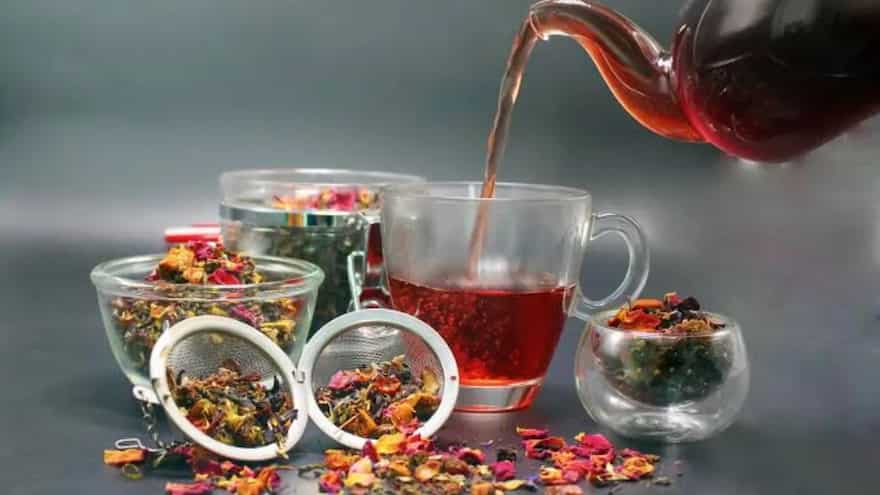
Image credit: Pexels
Regional Pairings
Autumn flush tea also sits comfortably within many regional food traditions across India, and beginners can explore this dimension with dishes that draw on gentle spice or grounded grain. In West Bengal, the tea works well with vegetable chops, ghugni or light muri mixtures because the liquor supports the steady flavours in these preparations. In Gujarat, it pairs with handvo, farsan trays or undhiyu during the cooler months, when households prefer warm and layered meals. In Kerala, the tea complements vegetable stew, simple appam or mildly spiced lentil dishes that rely on coconut rather than intense heat. In Maharashtra, the tea sits well with usal, thalipeeth or sabudana cutlets during evening breaks. These combinations help beginners understand how the seasonal character of the tea interacts with dishes that carry depth without aggressive spice, and they show how the autumn flush can find a place in varied culinary settings across the country.




