


 Share
Share

Darjeeling has earned global recognition as one of the most distinctive tea-growing regions in the world. The teas that come from its slopes are categorised into flushes, or seasonal harvests, each with its own character. The monsoon flush arrives after the heavy rainfall between June and September, producing leaves that differ in taste and appearance from those picked in spring or summer. While the first flush teas are often delicate and floral, and the second flush teas are prized for their muscatel notes, the monsoon flush develops into a stronger, bolder cup. This strength is what makes it ideal to enjoy with spicy foods, particularly those rooted in Indian cuisine.
The Nature Of The Monsoon Flush
The heavy rainfall during the monsoon season in Darjeeling affects the tea plants in a specific way. The constant showers cause the leaves to grow larger and develop a thicker structure. This results in tea that is stronger and darker when brewed. The liquor has a fuller body and carries a more robust flavour profile compared to earlier flushes. These qualities mean the monsoon flush may not always be favoured for delicate sipping, but it has a place in kitchens where food is layered with spices and seasonings.

Why Robust Tea Balances Spices
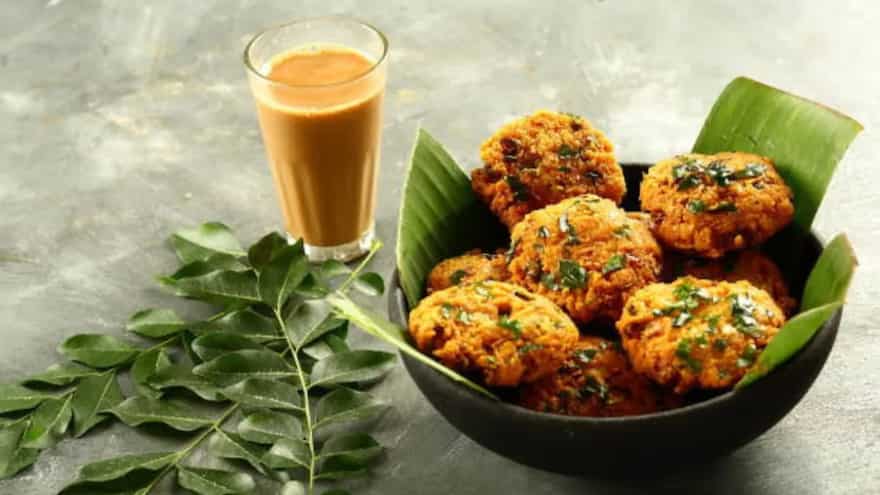
Spices create heat, complexity, and lingering aftertastes in food. A lighter tea can struggle to stand alongside such intensity. The monsoon flush has the body to balance these flavours without being overpowered. When drunk alongside dishes that use chilli, pepper, ginger, or masala blends, the strength of the tea refreshes the palate and restores balance. The natural tannins present in the leaves also cut through oil and richness, making the food feel lighter and easier to enjoy.
Historical And Local Uses
Within Darjeeling and other parts of India, monsoon flush tea has often been directed to domestic markets where spiced foods dominate. Exporters and international buyers typically prefer the first and second flushes, but the monsoon harvest finds steady demand among households and food vendors. Its affordable price and strong profile make it a suitable everyday tea, often enjoyed with snacks that are rich in flavour. This has helped the monsoon flush maintain cultural relevance even without the global reputation of earlier harvests.
Brewing Guide
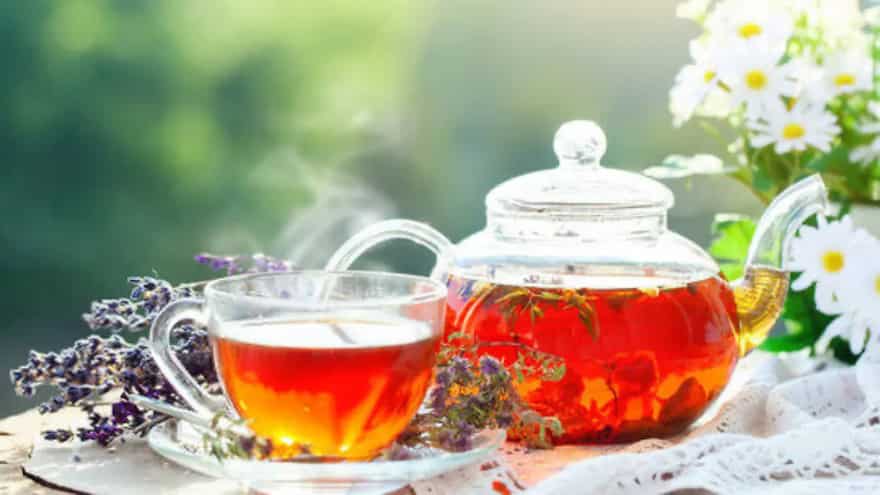
Preparing monsoon flush tea requires attention to steeping time and water temperature. The tea benefits from slightly longer brewing times, which allow its strength to emerge fully. The leaves should be brewed with freshly boiled water, and a steeping time of three to five minutes is generally recommended to draw out their full body and strength. For those who enjoy a richer cup, steeping can be extended slightly, though this will increase the tannic quality. The tea can be consumed plain, but it also holds up well when milk and sugar are added, making it versatile for households that prefer both styles of drinking. Using a teapot or infuser ensures that the leaves unfurl properly, releasing maximum flavour.
Pairing Guide
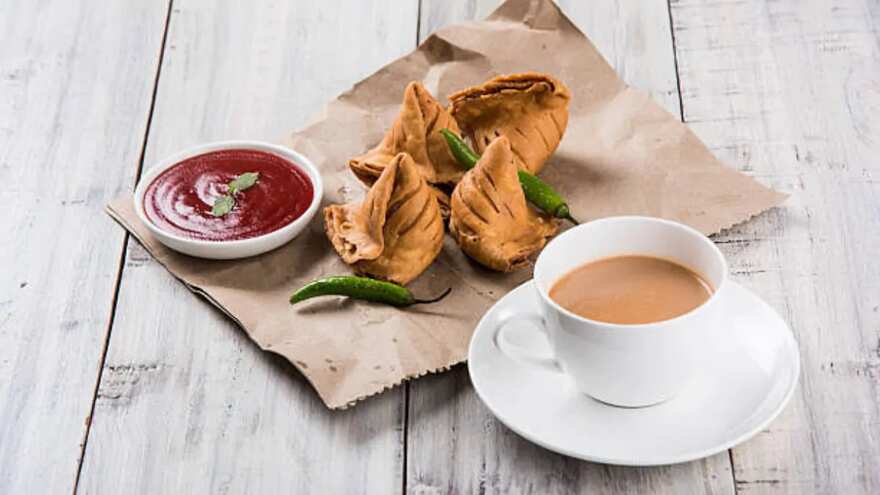
The monsoon flush is at its best when enjoyed alongside spiced Indian foods, both vegetarian and non-vegetarian. It pairs naturally with fried snacks such as pakoras, kachoris, and samosas, since its strength balances the oil content. Monsoon flush pairs particularly well with fried snacks because its tannic strength offsets the oiliness. It also complements gravies that use onion, garlic, and garam masala, since the tea does not lose its flavour in the presence of layered seasoning. Street food like pav bhaji or bhel puri benefits from the cleansing effect of the tea on the palate. Even with heavier dishes such as biryani or keema, the monsoon flush does not fade in flavour. This adaptability across different dishes makes it a reliable companion at meal times.
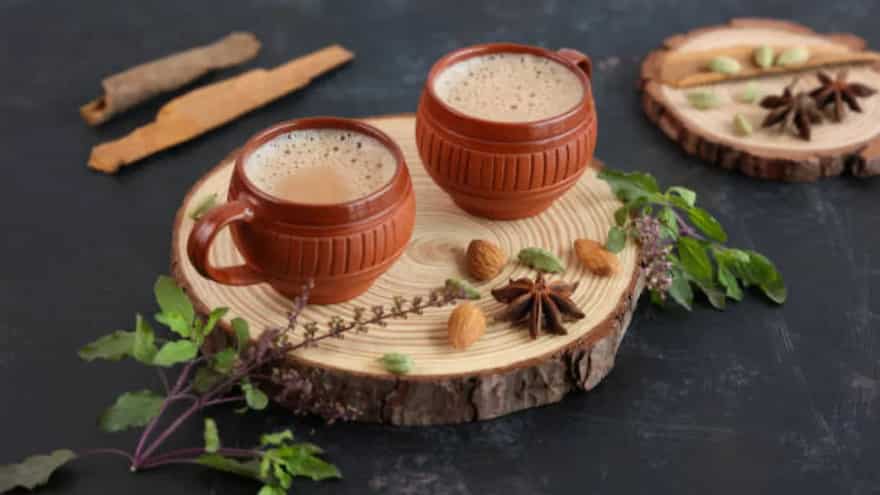
The continued presence of monsoon flush tea in Indian kitchens is tied to both culture and taste. In a country where food relies heavily on spices, the need for a strong companion drink is constant. The monsoon flush meets this need by providing depth and body. It may not attract the same level of attention as Darjeeling’s earlier flushes, but it holds value in its ability to work seamlessly with everyday meals. Its enduring role shows that tea is not only judged by delicacy, but also by how well it serves the food traditions it accompanies.




