


 Share
Share

Monsoon brings with it the infamous stomach bug that often finds its way to you through street food. There is a reason why elders warn about eating outside food, especially during the rainy months. Monsoon brings with it dampness, a lot of germs and waterlogged streets, all of which hamper the safety of street food. Some are a big no-no on rain-drenched days, while some are alright to consume whether or not there is rain. So here is a list featuring your favourite street food.
What’s Not Okay?
Pani Puri (Golgappa)
Right on top of the list of pani puri, which is sold on mobile stalls with the food at the mercy of the elements, dust and pollution. The water is the main issue during monsoons, because usually tap water is used in making the tamarind-rich pani, and during the course of serving the pani puri to customers, dirty rainwater splashes from vehicles, and even rainwater can contaminate the whole thing. That does not mean you cannot enjoy them at home. You can purchase the golgappas from the vendors and make the aloo filling and tamarind water, and enjoy them at home.

Chaat
Liquid is your worst enemy here, and chaats often use pudina and imli chutney and even curd with a lot of water content in them. All of these are prone to contamination, especially on wet days. These also tend to sit outside for long hours, and given the humidity, the footfall at these stalls is lesser, making the condiments prone to spoilage, which might upset your stomach. It would be much safer to make your chaat at home with chana, papdi, chopped onions, potatoes, curd and chutneys.
Fruit Chaat
Whole fruits are fine, but a lot of times, the fruits sold on street-side stalls are pre-cut and left exposed for long hours. These attract bugs, and during the monsoon, the water splashes from umbrellas and surroundings also carry germs in it and might contaminate the fruits in the bowls. To avoid stomach infections, you should fix your fruit bowl with whatever fruits you have at hand. Add some chaat masala, a little rock salt and pepper, and your fruit salad is as good as those of the street stalls.

What's Okay?
Hot Beverages
Steaming cups of cutting chai, filter coffee, or even a milky masala tea from your local stall are quite safe, provided they are piping hot and freshly brewed. The boiling process kills most germs, and these drinks are rarely made in large batches that sit around. A hot beverage is not just safe but also ideal during the damp season, warming the insides and aiding digestion. Just skip any additions like malai or flavoured syrups unless you trust the source.
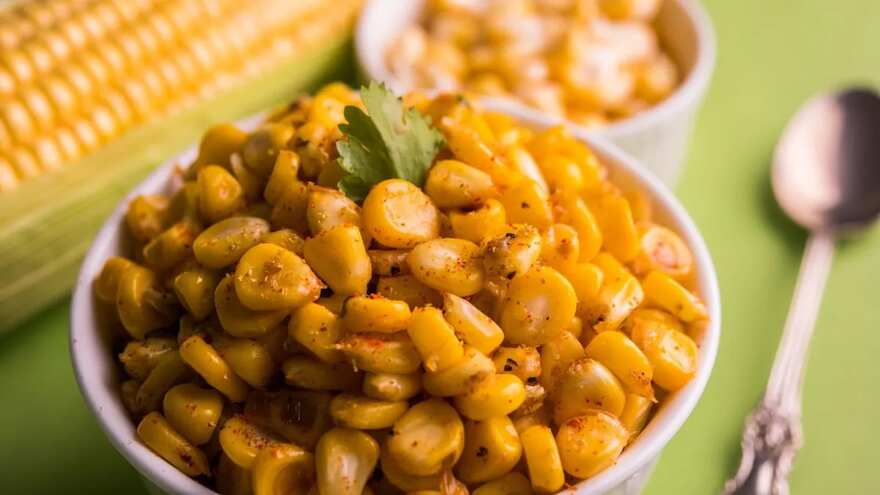
Boiled Corn
One of the safest options on thela gaadis is boiled corn; the roasted whole corn cobs are also alright, as freshly made food is relatively safer. Cooking the corn, typically over a stove with red-hot coals or boiling, significantly reduces the risk of any bacterial contamination. Avoid any masalas and instead opt for just salt, some chilli powder and lemon if you want some flavour. Keep a sharp eye on the utensils and brushes, or spoons, which are used to apply or sprinkle them.
Momos
Yes, you can still enjoy your favourite street-style momos, but with some caution. Steamed momos, especially the ones made fresh in front of you, are generally safe as the high heat kills bacteria. Vegetarian or chicken, both are fine as long as they are steaming hot. Avoid chutneys that have been left out in the open, especially those watery red and green ones. Instead, carry your dip or ask for dry spices if possible. Skip the deep-fried versions that may have been re-fried or left sitting too long.




