


 Share
Share

Based on the belief that music deserves undivided attention, listening bars first emerged in Japan in the 1920s. These spaces were designed around stillness, sound quality, and respect for the record itself. Nearly a century later, that philosophy has travelled far from its origins and quietly taken root across India’s cities, reshaped, softened, and expanded to include food, drink, and conversation.
Vinyl cafés and music-forward bars are steadily appearing in urban India, drawing people in with carefully curated sound and encouraging them to stay for the food. The nostalgia embedded in analogue music often finds an echo on the menu. Classic bar snacks, comforting café staples, and familiar flavours meant to be shared. What’s really being offered, though, is time within otherwise frenetic cities.
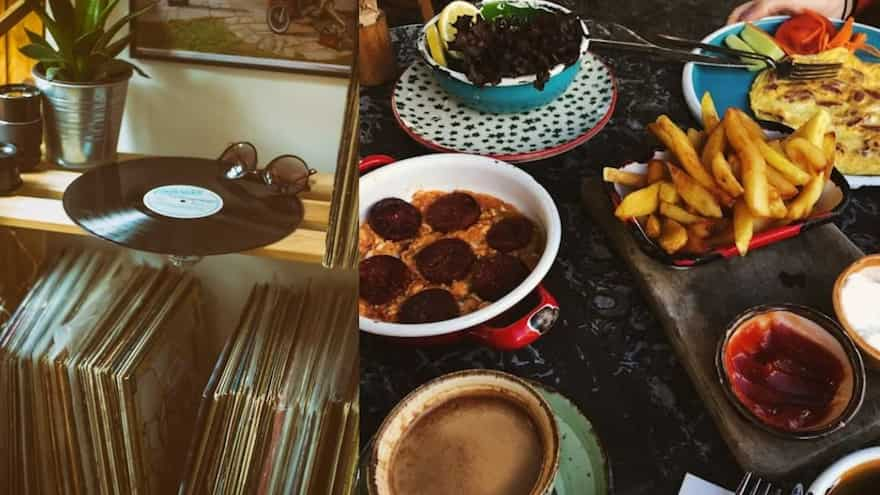
Image Credit: Pexels
In a world of infinite Spotify playlists and constant scrolling, vinyl offers something tactile and grounding. Cleaning a record, placing the needle, and watching it spin is an intentional act, far removed from tapping a screen. Many listeners describe analogue sound as warmer and more immersive, a welcome relief from digital fatigue. In a country where mobile data underpins daily life, vinyl listening becomes a small act of resistance. A pause.
Crucially, the people behind these spaces act less like playlist curators and more like music guides. From rare Bollywood pressings and forgotten Sufi recordings to global indie and Motown classics, selections are deliberate and personal. This careful curation builds trust and curiosity, encouraging repeat visits. Vinyl here is not background noise; it is the point.
A Slow Frequency
With 2025 witnessing a global resurgence of vinyl, Kolkata’s Sunday Vinyl Sessions at Zee’s Café reflect how this renewed interest plays out locally. Run by Varun and Zareen Desai, Zee’s is among the few cafés in the city actively embracing the format. As Zareen explains, “This was made possible by Varun’s passion for records and music. He set up a live streaming option for World Record Store Day in 2018, and people really enjoyed it. We gathered people who love music, and conversations flowed over numerous cups of coffee. The next Sunday, we did it again, and we haven’t looked back.” At Zee’s, vinyl becomes a ritual, one that centres conversation as much as sound.
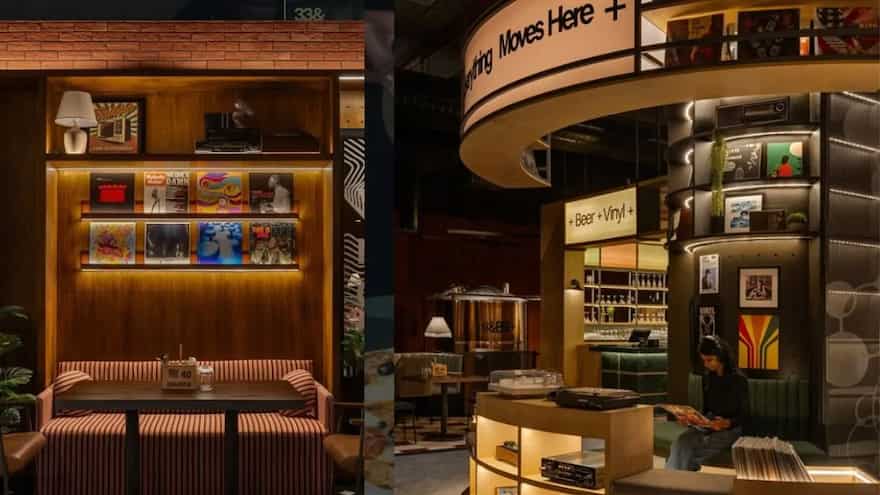
Image Credit: 33&BREW, Bengaluru
In Bengaluru, vinyl culture integrates seamlessly into contemporary hospitality. At 33&BREW, co-founder Karthik Chandrashekaran describes the space as “a music-focused dining experience that is part of a broader trend towards intentional, multi-sensory hospitality.” Here, music subtly shapes pacing, mood, and how guests experience time. Playlists aren’t an afterthought; they guide the rhythm of the room without overwhelming it. Nearby, The Record Room leans fully into participation. With over 1,000 records spanning genres and a strong DIY aesthetic, the space invites guests to engage actively. You come for the music and stay immersed in it, with drinks and small plates designed to support the listening experience.
This participatory spirit is further amplified through ‘bring-your-own-vinyl’ events, where private collections become shared discoveries. One record at a time, nostalgia, curiosity, and community intersect, transforming solitary listening into a collective ritual.
Designing Around Sound
While many cities are adapting vinyl culture to their own rhythms, Mumbai’s listening-bar evolution is shaped less by trend and more by lived musical history. Idoru stands as a contemporary expression of this shift. For Anil Kably, a key member of the team behind the force that drives the space, the idea wasn’t about capitalising on vinyl’s revival but about returning to a creative instinct first formed years ago at Zenzi, a nightclub that once defined Mumbai’s alternative party scene.
“There was definitely a ‘keeda’, or a hankering, to get back to where you once belonged,” Kably reflects. “For me, it has always been about creating spaces where people can be part of alternative experiences. The only way I really know how to do that is to lead with music. Once you do that, so much else follows.”
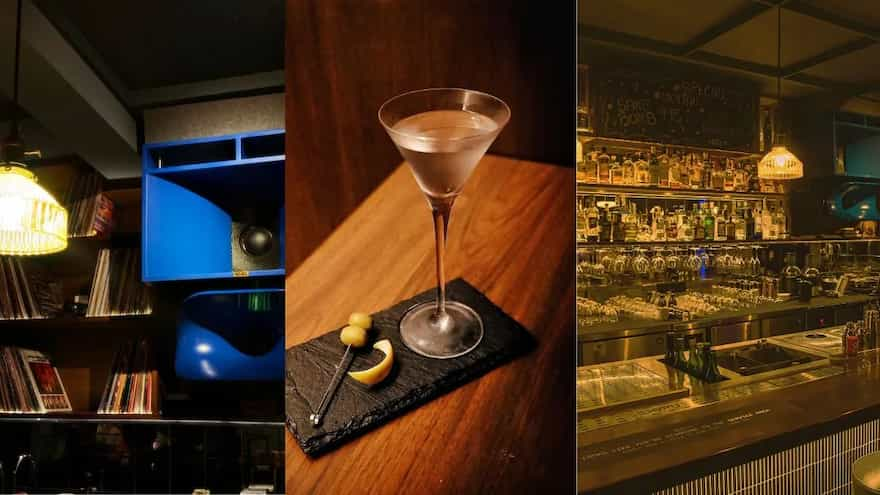
Image Credit: Idoru, Mumbai
That philosophy is embedded in Idoru’s identity. Music is not an accessory but the foundation on which everything else is built. Kably was clear that the bar’s Japanese influence was not aesthetic posturing but a cultural anchor. “Retaining a Japanese identity only reinforced the music, since listening bars are more or less a Japanese concept,” he explains. Cocktails were brought into alignment through collaboration. “Priyanka Blah helped us find exactly the right person to bring this vision to life. She recommended Koki-san, who came on board to craft the cocktail programme.”
At Idoru, food, drinks, and sound exist as parallel elements rather than competing ones. Bhanuj Kappal, Head of Programming and Events, sees them as inseparable. “There’s a lot of science around how sound affects our perception of food, but simply put, good music and good sound help foster connection and community,” he says. That sensitivity also explains why listening bars feel particularly resonant right now. They correct the imbalance created by years of loud, poorly curated soundscapes. As Kappal points out, “You could be served the best cocktail in the world, but it would be hard to enjoy if someone was playing heavy metal too loudly on bad speakers.”
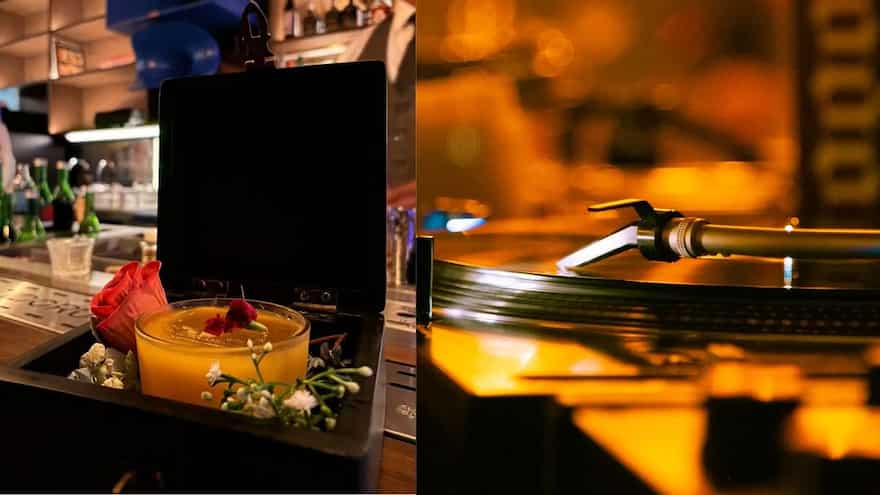
Image Credit: Idoru, Mumbai
At the same time, Idoru resists purist definitions. “We take music seriously, but we are a bar first. Listening sessions aren’t our primary format.” When they do occur, they are intentional, off-hours events designed to encourage active listening without disrupting the social energy of the space. Instead, Idoru wraps its passion for music in thoughtfully crafted food and well-considered beverages. A tapas-style menu of bite-sized, shareable plates fits the mood.
Across cities, these cafés and bars revive the historic role of hospitality spaces as places of gathering and connection. Vinyl and live listening experiences allow patrons to bond over shared musical memories, moods, and discoveries, creating a sense of unity that cuts across language and culture. Food plays a crucial role in anchoring this experience. Comforting, tactile, and deeply familiar. In an age of disposable digital noise, the vinyl café and bars offer something quietly radical. Presence, attention, and the pleasure of listening together.




