


 Share
Share

Sourdough bread is made with a live culture of flour and water, often called a starter. Unlike breads made with commercial yeast, sourdough relies on naturally occurring wild yeasts and bacteria. These microorganisms thrive in warm and moist conditions, which means that the Indian climate can speed up or destabilise the process. Many home bakers struggle with overactive starters, sticky dough and unpredictable proofing times. Baking sourdough in India is possible, but it requires understanding how heat and humidity affect fermentation and learning practical methods to keep the process under control.
Making A Sourdough Starter At Home
The starter is the base of every sourdough loaf. It is made by mixing equal parts of flour and water and leaving it at room temperature to ferment. Each day a portion of the starter is discarded and fresh flour and water are added. After five to seven days the mixture becomes bubbly and active, ready for baking. In India the warm temperature often speeds up fermentation, so the starter may become active within three or four days. Whole wheat flour or rye flour can encourage faster activity, while plain maida or all-purpose flour may take longer. Once active, the starter should double in volume after each feeding. At this stage it can be stored in the refrigerator and refreshed before use.

Managing The Starter In Humid Weather
High humidity creates challenges for sourdough starters. The mixture can become too runny, leading to weak fermentation. Starters can also develop a sour smell too quickly, showing that the balance of yeast and bacteria is unstable. To manage this, use slightly thicker feeding ratios by adding more flour than water. Keeping the starter in a cooler corner of the kitchen also slows down excess activity. In coastal cities or during the monsoon, mould can develop on the surface of the starter if it is left unattended. Covering the jar with a breathable cloth rather than an airtight lid helps airflow and prevents spoilage. Refrigeration is useful once the starter is strong, as it keeps the culture steady in unpredictable weather.

Handling Dough Fermentation In Heat And Moisture
After the starter is ready, dough is mixed and left to rise. In Indian kitchens fermentation often moves too fast because of the heat. Dough that should take six hours to double in volume may rise in just two or three hours. This can lead to over-proofing, where the dough collapses and bakes into a flat loaf. To slow the process, dough can be refrigerated for bulk fermentation. Cold fermentation not only controls activity but also improves flavour. Salt also plays a role in slowing down yeast, so adding it early in the mixing stage can help maintain balance. In very humid weather the dough may feel sticky and difficult to handle. Lightly oiling hands and the mixing bowl makes folding and shaping easier without adding too much extra flour.

Shaping And Proofing In Indian Kitchens
Shaping sourdough dough is difficult when humidity is high. The dough may spread out instead of holding structure, and proofing baskets may stick. Rice flour is useful for dusting proofing baskets, as it prevents sticking better than wheat flour. Using smaller bannetons or bowls lined with cloth can also help the dough hold shape. Proofing in India requires careful timing, as dough can easily over-expand. Instead of leaving it on the counter overnight, placing shaped dough in the refrigerator slows the rise and gives bakers more control. During the monsoon, where kitchens stay damp, covering dough with a shower cap or a bowl cover prevents it from absorbing excess moisture from the air.
Baking Challenges In Indian Ovens
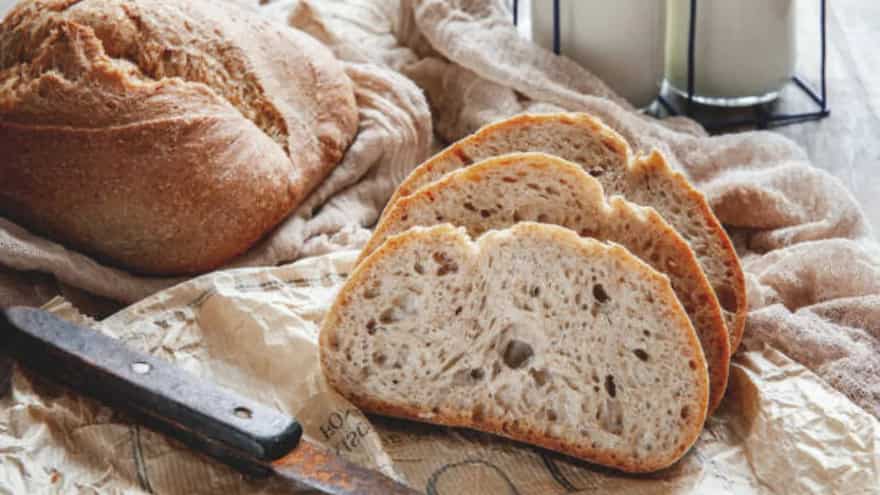
Many Indian homes use small convection ovens or OTGs, which are different from large deck ovens in bakeries. Sourdough needs steam in the first stage of baking to expand fully. Without steam the crust can harden too quickly and trap the loaf. To create steam at home, bakers can place a tray of boiling water in the oven or bake the loaf inside a heavy covered pot such as a Dutch oven. Another common issue in Indian homes is uneven heating. Rotating the loaf halfway through baking helps avoid burnt edges. Cooling the bread completely before slicing is also important, as cutting too early results in a gummy texture.

Storage And Shelf Life In Humid Conditions
Once baked, sourdough bread can lose freshness quickly in humid weather. The crust softens and mould can appear if stored in plastic bags. Wrapping the loaf in a cotton or muslin cloth keeps the crust firm while protecting it from the air. The bread can also be stored in a paper bag and placed in a breadbox. Refrigeration is not ideal for sourdough as it makes the loaf hard, but in coastal regions it may be necessary to prevent mould. Slices can be frozen and reheated in a toaster when needed, which is often the most reliable way to keep bread in Indian humidity.




