


 Share
Share

Even to date, Sunday mornings in a Bengali household are incomplete without a plate of luchi paired with paanch phoron alur tarkari, spreading its aromatic flavour. Growing up in an East Bengal family, I have fond memories of meals like shukto, niramish fulkopir tarkari, maacher jhol, and whatnot, infused with the magic of paanch phoron. This magic mix, made from cumin, fennel, fenugreek, mustard, and nigella seeds, is a primary ingredient in both vegetarian and non-vegetarian Bengali dishes. The term ‘phoron kata’ in Bengali not only refers to the tempering of these spices. It also refers to an expression of making a witty remark during any conversation. So, just like the versatile meaning, this mix is also multifaceted in cooking.
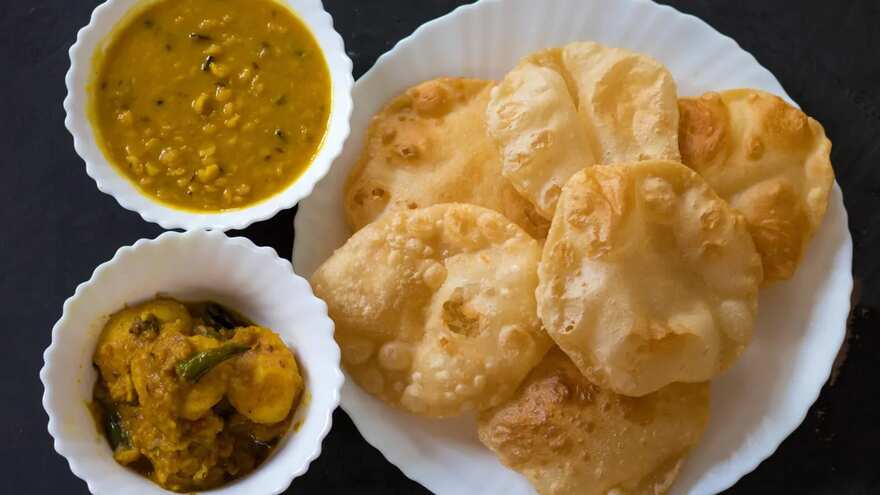
Historically, the Hindus of Bengal have been using paanch phoron as a prolific part of their cuisine. Author Chitrita Banerji penned down in her book, The Hour of the Goddess: Memories of Women, Food, and Ritual in Bengal. “This is possibly because of the emphasis on vegetarian cooking among the Bengali Hindus, especially widows, who were forbidden any fish, flesh, or egg. Bengali Hindu cooks seem to think that almost any item of food can benefit from the addition of panch phoron.”
Bengali cuisine is renowned for its vibrant use of spices, and paanch phoron has long been at its core. This five-spice mix is an essential component of traditional dishes and also a reflection of the cultural diversity and culinary heritage of Bengal. Whether it's in a simple vegetable curry or a spicy fish preparation, the influence of paanch phoron cannot be overstated.
What Is Paanch Phoron?
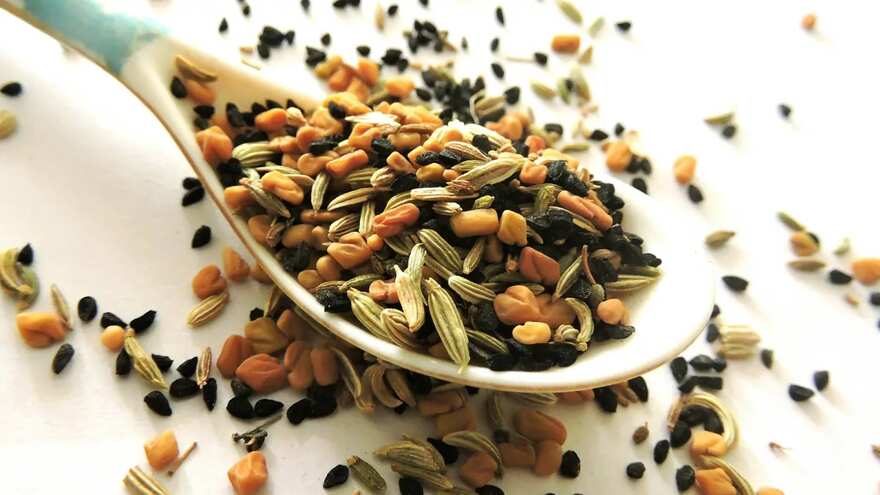
Image credit: Adobe Stock
Paanch Phoron, literally meaning "five spices," is a unique blend of whole seeds used predominantly in Bengali cooking. The name paanch refers to the number five, while phoron signifies tempering or seasoning. The blend consists of cumin seeds (jeera), fenugreek seeds (methi), fennel seeds (mouri), nigella seeds (kalonji), and mustard seeds.
How To Prepare Paanch Phoron
To prepare paanch phoron, simply combine equal parts of the five spices. The seeds can be used as-is or dry-roasted to enhance their aroma and flavour. Paanch phoron is usually tempered in hot mustard oil, allowing the seeds to release their fragrant oils and flavour compounds. The tempering process, known as phoron kata, infuses the oil with an aromatic base that forms the foundation of many Bengali curries, dals, and stir-fries.
The versatility of paanch phoron allows it to be added to both simple and elaborate dishes. In its raw form, it can be sprinkled over vegetables or rice, while in cooked dishes, it imparts a savoury, slightly bitter, sweet, and pungent profile that defines the heart of Bengali cuisine.
The History Of Paanch Phoron: Origins, Evolution And Cultural Significance
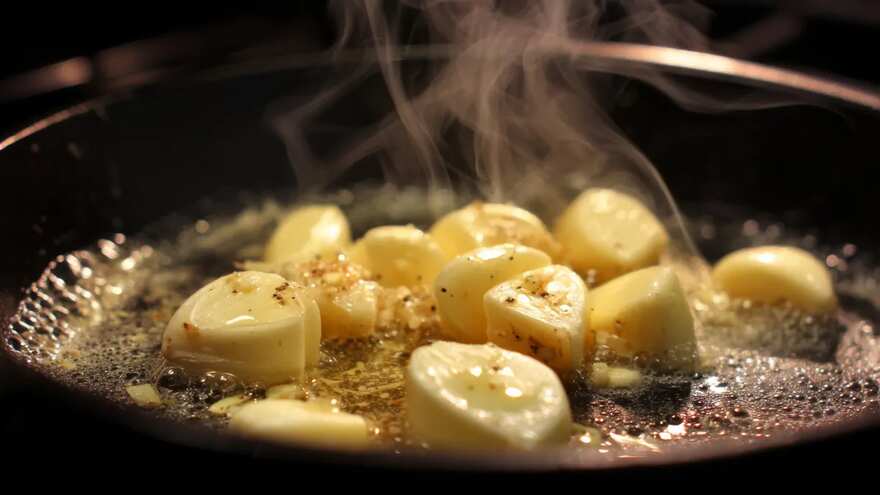
Image credit: Adobe Stock
The term paanch translates to "five," and phoron refers to the tempering or seasoning of spices. This spicy blend, consisting of cumin, fenugreek, fennel, nigella, and mustard seeds, has not only shaped the culinary landscape of Bengal but has also played a pivotal role in the food culture of other parts of Eastern India, including Odisha, Assam, and Bihar. The history of paanch phoron is both rich and fascinating, rooted in the ancient traditions of the subcontinent, with influences ranging from Ayurveda to regional cultural exchange.
The Origins Of Paanch Phoron
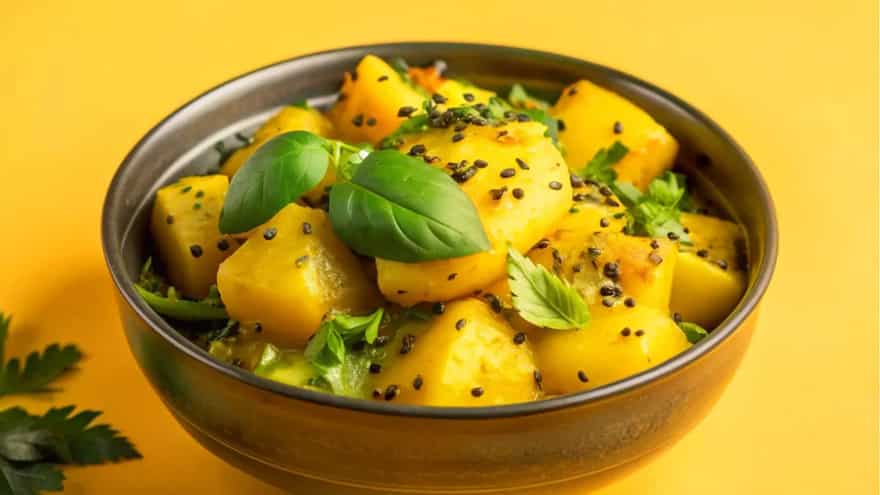
Image credit: Adobe Stock
The exact origins of paanch phoron are not definitively recorded, and much of its history is woven through the cultural fabric of Eastern India. It is believed that the spice blend may have emerged around 2000 BCE, when trade routes and cultural exchanges were flourishing across the Indian subcontinent and beyond.
Paanch phoron is not exclusive to Bengal. It is widely used in Odisha, Assam, and parts of Nepal, with each region adjusting its usage based on local food traditions and tastes. The Ayurvedic philosophy stresses the importance of balancing different tastes (such as sweet, salty, bitter, sour, and spicy) to improve both taste and digestive health. Using a lot of different spices together, especially whole seeds, is a big part of this. A lot of what made paanch phoron what it is today was this therapeutic approach to food, which uses spices for their health benefits.
One idea is that paanch phoron came about when people in the area, who eat a variety of foods, including vegetarian and non-vegetarian ones, started trying out new spice combinations. It is said that the blend was made for richness and flavour to Bengali vegetarian dishes, which were more common at the time. Over time, this mix became an important part of Bengali cuisine.
The Role Of Ayurveda And Healing Traditions
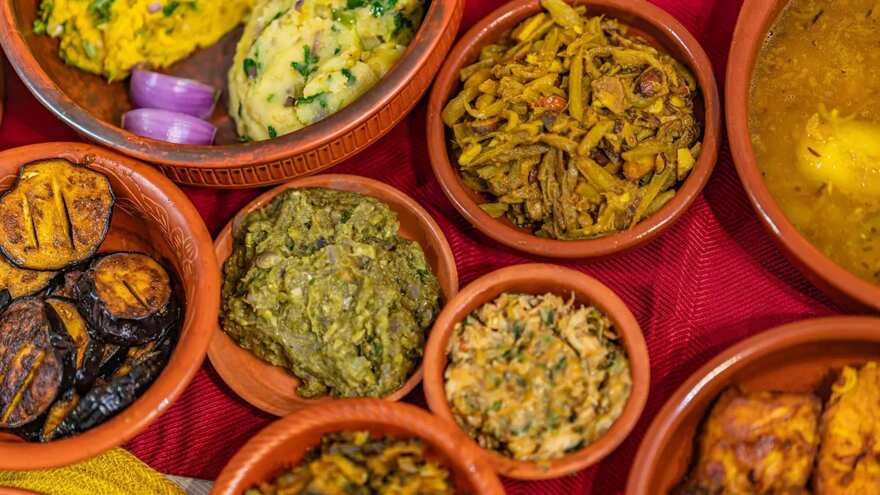
Image credit: Adobe Stock
In addition to its culinary application, the roots of paanch phoron can be traced to Ayurvedic traditions. The ancient Indian science of Ayurveda utilised various herbs and spices to balance the doshas (body energies) and promote good health. Each spice in paanch phoron—cumin, fenugreek, fennel, nigella, and mustard—was believed to have distinct medicinal properties, making this blend not only a flavour enhancer but also a health aid.
Cumin was used to improve digestion, stimulate the appetite, and combat bloating. It was also known for its detoxifying properties.
Fenugreek (methi), with its slightly bitter flavour, was believed to balance blood sugar levels and promote lactation in women.
Fennel (mouri), known for its cooling properties, aids in digestion and soothing the stomach.
Nigella seeds (kalonji), with their pungent flavour, were used for their antibacterial and anti-inflammatory properties.
Mustard seeds, often considered the base of paanch phoron, were thought to have warming properties, making them ideal for boosting the metabolism and supporting circulation.
Thus, paanch phoron served as more than just a seasoning—it was a way of combining healing with taste, giving it both a cultural and medicinal significance.
Evolution of Paanch Phoron In Bengali Cuisine
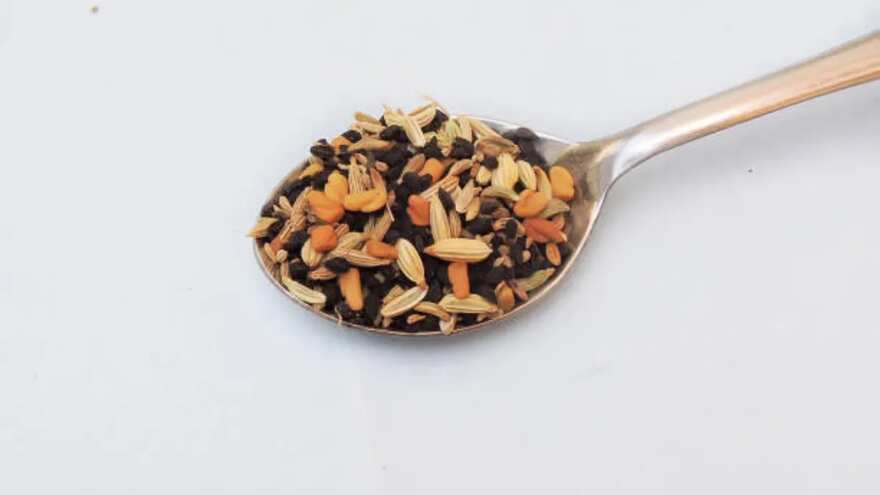
Image credit: Adobe Stock
Bengal, a land rich in agriculture, has long been home to a variety of fruits, vegetables, and spices. The presence of paanch phoron in Bengali kitchens can be traced back to the cultivation of mustard oil, which became the quintessential cooking medium in Bengal. Mustard oil has a pungent, sharp flavour that complements the distinct taste of paanch phoron, making it an ideal base for tempering the spices.
The early Bengal kitchens would use paanch phoron to enhance vegetable dishes like shukto (a bitter vegetable medley), dalna (vegetable curry), and charchori (a dry stir-fried dish). These humble dishes relied on the complex flavours of paanch phoron to create depth and balance. As Bengali cuisine evolved and became more diverse, the spice blend expanded beyond vegetarian dishes.
In time, paanch phoron was incorporated into non-vegetarian dishes, such as fish curries and chicken stews. Fish, especially the river fish found in Bengal, such as rohu (rui) and katla, benefited from the infusion of these spices, which complemented the fish’s delicate flavours and enhanced the natural aroma of mustard oil.
By the 19th century, paanch phoron had become a fundamental part of Bengali gastronomy, widely used across the region. As Bengali literature and cultural practices began to reflect the growing sophistication of its culinary landscape, paanch phoron was not only a part of family kitchens but also made appearances in festive feasts and even royal banquets.
While paanch phoron is unique to Eastern India, the idea of blending multiple spices is a common practice across the entire Indian subcontinent. In neighbouring China, the five-spice powder shares a similar structure but differs in ingredients and preparation methods.
Vegetarian and Non-Vegetarian Bengali Dishes You Can Prepare With Paanch Phoron
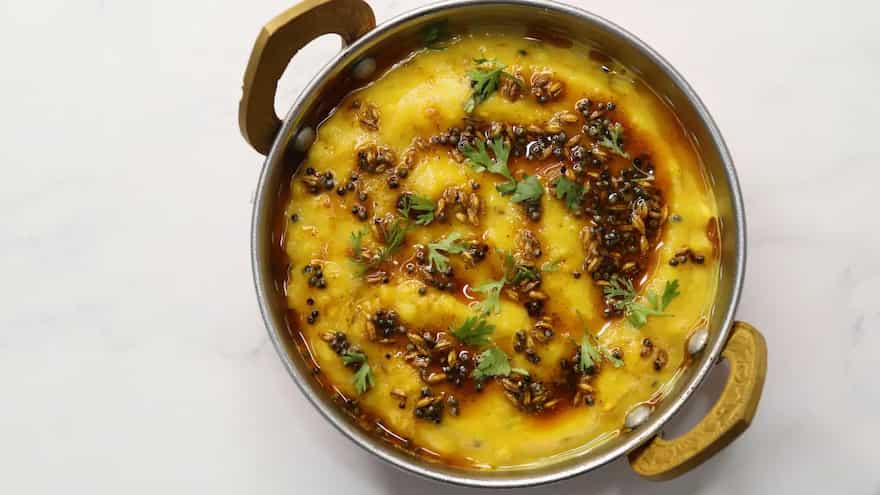
Image credit: Adobe Stock
Vegetarian dishes using paanch phoron offer a delightful blend of flavours that showcase the versatility of this spice mix. Aloo Phulkopir Dalna combines potatoes and cauliflower, tempered with paanch phoron for a rich, flavourful curry. Moong Dal is a simple yet comforting dish where paanch phoron adds a fragrant twist to the yellow lentils.
Fried bitter gourd also achieves a better taste with five spices. Uchche Bhaja stir-fries bitter gourd with paanch phoron and chillies, balancing the bitterness of the vegetable with the spice mix. Shukto, another Bengali signature, incorporates a variety of vegetables like bitter gourd and potatoes, offering a perfect balance of bitter and mild flavours. Charchori is a dry vegetable stir-fry where the spices enhance the seasonal vegetables’ natural tastes, while Paanch Phoron Bhaja is a delightful dry-roasted dish that pairs beautifully with rice or vegetables.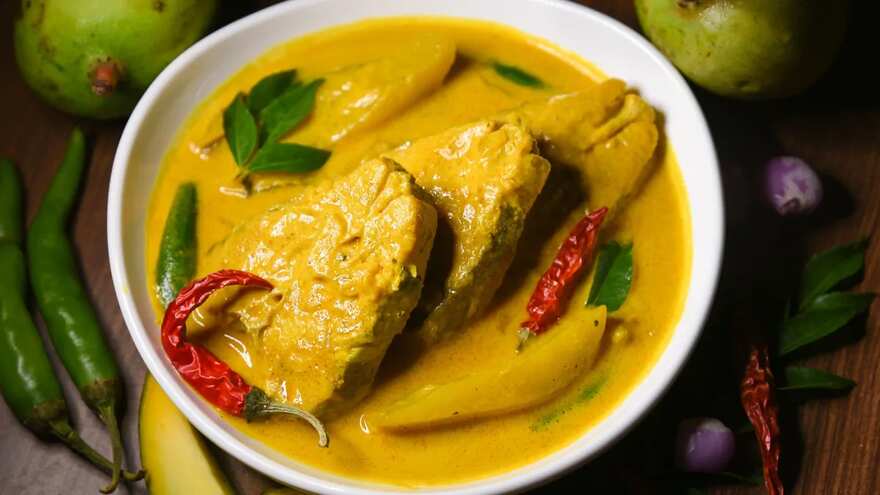
Image credit: Adobe Stock
Non-vegetarian dishes also taste unique when paanch phoron is used. Bhuna Chicken with Paanch Phoron slow-cooks chicken in a rich gravy, with the spice mix bringing out the natural essence of the meat. Paanch Phoron Murgi is a Bengali-style chicken curry where the spice blend of cumin, fennel, fenugreek, nigella, and mustard seeds imparts a bold flavour. For fish lovers, Rui Macher Shukto features river fish cooked with mustard oil, paanch phoron, and vegetables, creating a curry that improves the delicate flavours.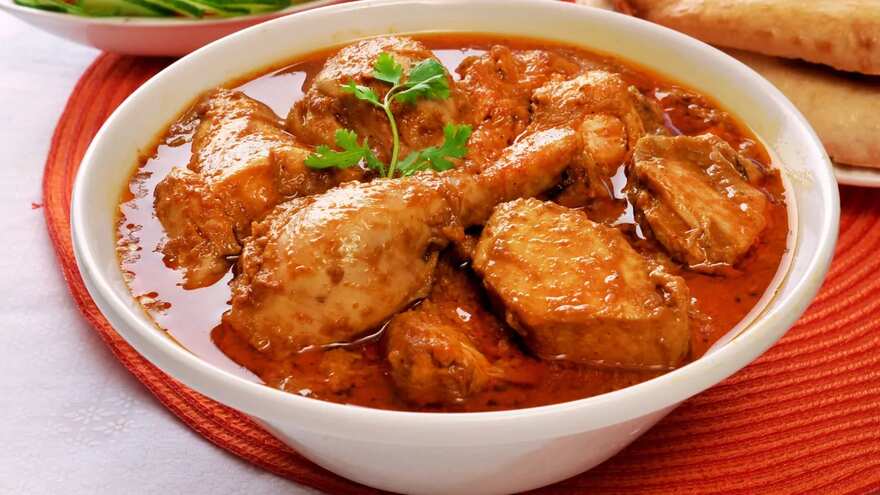
Image credit: Adobe Stock
Paanch Phoron Katla reflects the richness of Bengali cuisine, where the spices mix with the tender katla fish. Dim Posto, a Bengali classic, features eggs cooked in a poppy seed gravy infused with five spices. Macher Jhol, a popular fish curry, uses paanch phoron to create a quintessentially Bengali dish.
Are Five Spices Good For Babies?
Slurrp reached out to Dr. Nivedita Manna, MD, DNB, MRCPCH, Paediatrician, for suggestions on introducing spices to babies.
She mentioned:
“Five spices can be introduced after 8-10 months, once the baby has been introduced to basic solids. Spices can be used in small amounts for several reasons: they aid digestion as cumin, fennel, and nigella have mild carminative (gas-relieving) properties, they add natural flavour to help develop the baby’s taste palette without salt or sugar, and they are culturally appropriate, as many Indian households introduce light spices during early complementary feeding.”
She also highlighted that it’s important to introduce each component of 'paanch phoron' one by one before using the entire mix. “Be cautious if the baby has reflux or loose stool, and always watch for any signs of allergies or rash. So, the bottom line is, yes, spices can be used but with precautions.”, she concluded.
Use of Paanch Phoron In Progressive Cuisine

Image credit: Adobe Stock
Both Shaun Kenworthy and Chef Nishant Choubey bring paanch phoron into the spotlight, following its transformative power in the kitchen. From savoury to dessert, the blend is celebrated by these chefs, who explore its full range of flavours, from sweet and spicy to bitter and savoury, creating new culinary experiences.
Shaun Kenworthy's Use of Paanch Phoron
In conversation with Slurrp, Celebrity Chef, Shaun Kenworthy, renowned for his creative culinary applications, spoke about his admiration for paanch phoron. He describes the experience of tempering the spice blend with "some of the finest Bengali desi ghee", which results in a "delicious warm, nutty, almost caramel-like aroma." He appreciates the "sweetness from the fennel," the "absolute love of earthy cumin," and the "sharp zesty mustard kick" that comes with it.
The smokiness from the onion seed (nigella) and his "love-hate relationship with bitter fenugreek" also stand out, with the latter giving depth to dishes but needing to be balanced carefully to avoid bitterness if over-tempered.
According to Kenworthy, paanch phoron encapsulates a harmony of "sweet, bitter, spicy, and savoury" flavours, but he adds, "all it's missing is a pinch of salt."
Kenworthy mentions how it "works so well with vegetables, fish, and seafood," but also expresses his desire to see it incorporated into desserts. Some of his innovative uses include poaching pears and guavas in syrup, where paanch phoron adds a new dimension to the sweetness of the fruits.
He has also used the blend to create a great caramel sauce and even experimented with it in marmalade for an interesting twist to the traditional preserve.
Chef Nishant Choubey's Use Of Paanch Phoron In Progressive Cuisine
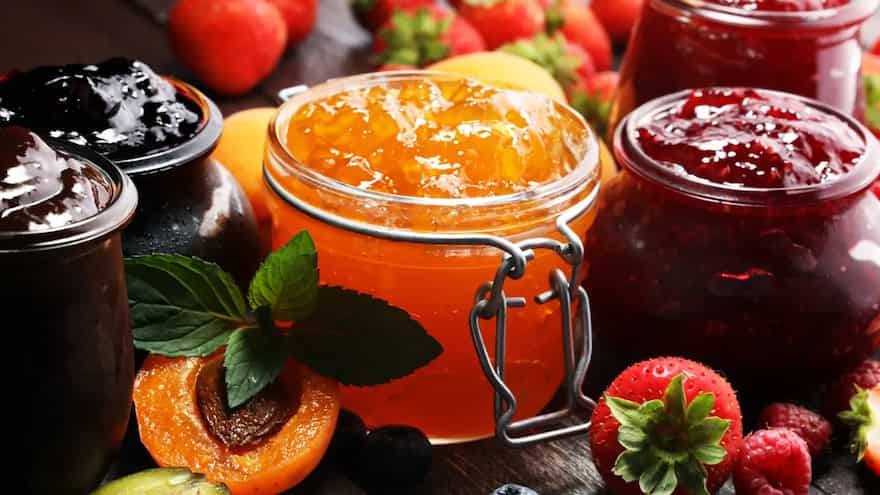
Image credit: Adobe Stock
We took time to have a word with celebrity chef Nishant Choubey, who is famous all across the globe for his fusion dishes. Chef describes paanch phoron as "India’s five-spice blend" is a "sensory signature". Chef Nishant explains how paanch phoron "doesn’t just belong in traditional temperings". Take the starters, main dishes or desserts, this mix adds an unfamiliar taste to the known dishes.
In his culinary experiments, Choubey uses paanch phoron in a variety of innovative ways, blending it with diverse culinary traditions.
His Panchphoran-Spiced Wasabi Mushroom with Compressed Watermelon has Indo-Japanese flavours. His other signature dish, Panchphoran-Spiced Rhododendron Soup, a Himalayan-inspired broth, combines floral and peppery notes.
For a more savoury dish, his Panchphoran Sous Vide Chicken with Black Potato Mash showcases the spice blend’s earthy richness. In desserts, Chef Choubey surprised us with his Panchphoran-Spiced Amla Compote with Rhubarb (pairs tartness with a spicy feel), and his Panchphoran-Spiced Chocolate Fondant delivers molten chocolate infused with a hint of umami.
Is Paanch Phoron As Healthy As You Think?
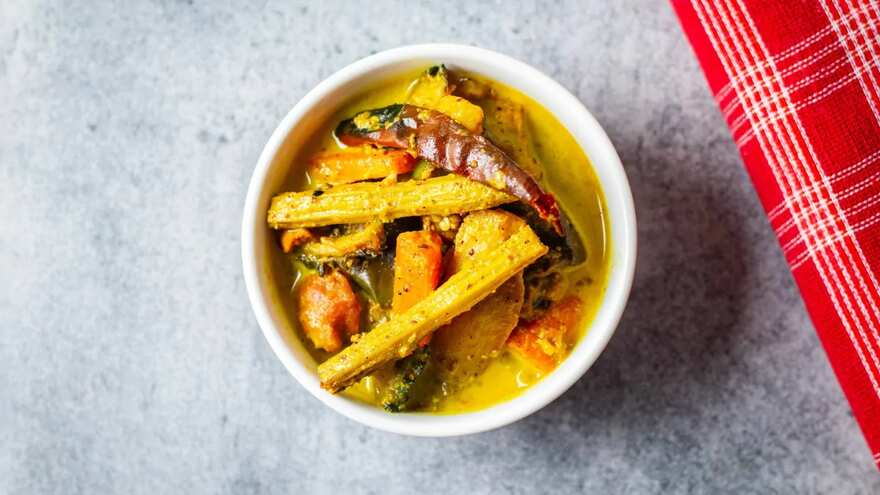
Image credit: Adobe Stock
Several studies prove that Paanch phoron offers a range of health benefits. A 2021 study by the International Ayurvedic Medical Journal stated that spices like cumin, fenugreek, and nigella contain antioxidants that may help neutralise free radicals, reduce oxidative stress, control blood sugar levels and lower the risk of chronic diseases.
The seeds in paanch phoron, particularly cumin, fenugreek, and nigella, have anti-inflammatory properties to relieve conditions like arthritis and muscle soreness.
Another study, A Review of the Seeds Comprising Panch Phoron by Debjani Sarkar, states that cumin and fennel are known for their digestive properties. Paanch phoron aids in digestion, relieves bloating, and improves gut health. It is also beneficial for treating acid reflux and other digestive issues.
From ensuring good liver health to lower cholesterol levels, cumin and nigella seeds can reduce triglycerides and prevent platelet aggregation. Last but not least, consuming five spices can protect the stomach lining, reducing gastric ulcers and inflammation with healthy gastric secretion.
So, be it a shukto, chicken or marmalade, paanch phoron can do the ultimate magic to any dish you have hardly imagined!




