


 Share
Share

Originating from East Bengal, I have had the privilege of witnessing firsthand the culinary legacy passed down through generations of women in my family. My grandmother and great-grandmother. Both of them lived their lives maintaining the strictest cultural and religious customs, observing the practice of Ekadashi and following the dietary restrictions associated with widowhood. My grandma’s elder sister, whom I lovingly used to call ‘Boro ammu’, stayed with us after her husband passed away.
While growing up, I have heard real-life stories about how she was forced to eat once a day, wake up before sunrise, keep her hair short, walk barefoot and whatnot. She was only 20 then. Even the mention of chicken, mutton, fish or egg was a complete no-no for them. With a separate kitchen setup and ingredients, I have seen them preparing their food every day.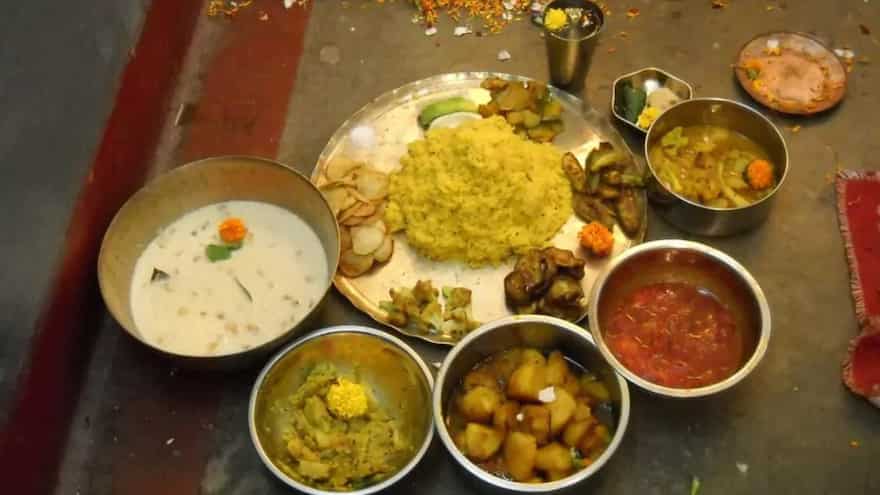
Image Courtesy: Saborni Saha
I was too young to understand the horrifying side of all the rules and regulations. All I had seen was that throughout their lives, they prepared niramish (vegetarian) food without the use of onion or garlic. And this is how their culinary artistry, the diet of deprivation, became an art form.
Widowhood in Bengal and the Imposed Restrictions
According to a study, The Bengali Widow’s Kitchen: Looking Back at an Obscure Legacy, by Ananya Chatterjee, the institution of widowhood in Bengal, especially in Hindu households, was historically associated with severe societal restrictions. Widows were believed to pay a kind of cosmic debt due to their husbands' deaths, and as a result, they were subject to various oppressive rituals. They were expected to lead an ascetic lifestyle and were forbidden from remarrying, often facing social ostracism. This deprivation extended to their diet, as they were prohibited from consuming certain foods (particularly non-vegetarian items like meat, fish, and even garlic and onions). These foods were believed to incite passion and, therefore, were strictly forbidden for widows.
Key Dishes of Bengali Widow Cuisine
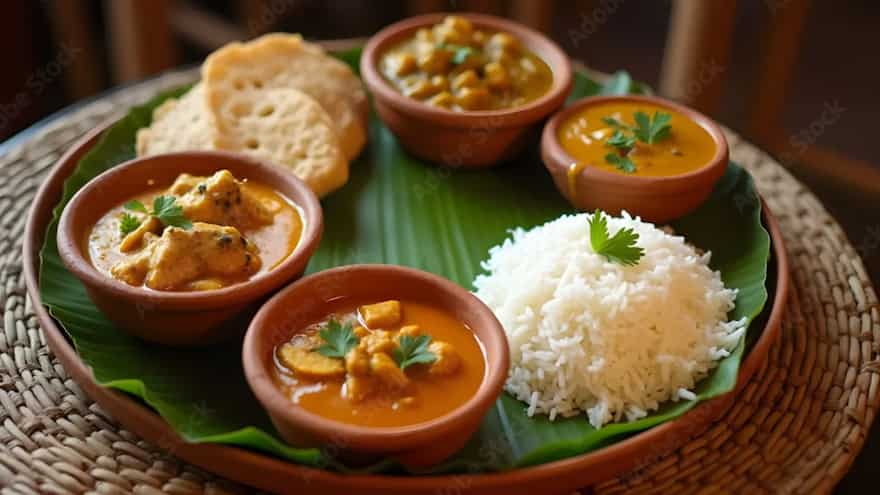
Image Courtesy: Adobe Stock
Mohona Kanjilal notes in A Taste of Time: A Food History of Calcutta (2021), despite these rigid constraints, the widows transformed simple, often leftover, ingredients into flavourful dishes. Widows, with limited ingredients and strict food rules, turned leftover vegetables and unused parts of plants into tasty and healthy dishes. They used things like bottle gourd leaves, pumpkin seeds, and taro stems to make meals as well as savoury dishes.
Some of the most highlighted dishes include Shukto, Charchari, Labra, Lau ghonto, Kumro Chechki, Chhanar Kofta, Phul Kopir dalna, Mochaar Ghonto, Ghugni, Heenger kochuri, Narkel diye Moong dal and more.
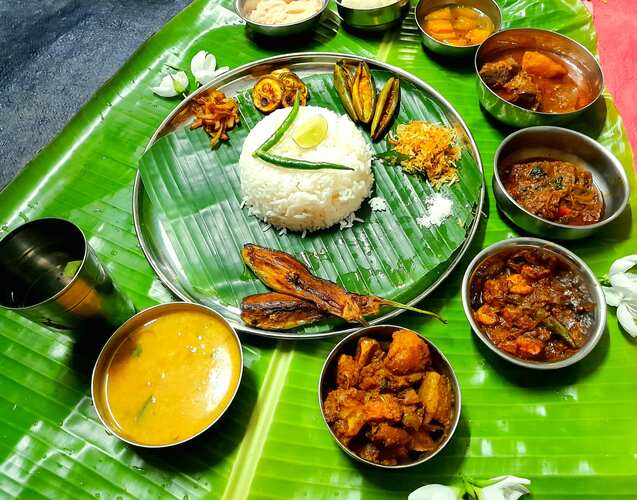
Image Courtesy: Adobe Stock
Shukto is a signature dish made with bitter vegetables like bitter gourd, raw bananas, and sweet potatoes, balanced with milk or poppy seed paste and spiced with panch phoron and ginger, traditionally served to cleanse the palate. Labra is a mixed vegetable dish made with seasonal vegetables such as pumpkin, brinjal, radish, sweet potatoes, and spinach, cooked with minimal spices to create a semi-mash that pairs well with rice.
Charchari is a dry vegetable preparation made with seasonal vegetables like radish, brinjal, and pumpkin, cooked with mustard oil, turmeric, and green chillies. Chhanar Dalna is a curry made from homemade cottage cheese (chhena), shaped into small balls or cubes and cooked in a light tomato and ginger gravy. Kumro Chechki is a simple stir-fry made with pumpkin, mustard oil, turmeric, and green chillies, where the natural sweetness of the pumpkin shines through. Heenger Kochuri is a unique Bengali kachori flavoured with asafoetida (hing), filled with urad dal or spiced mashed potatoes.
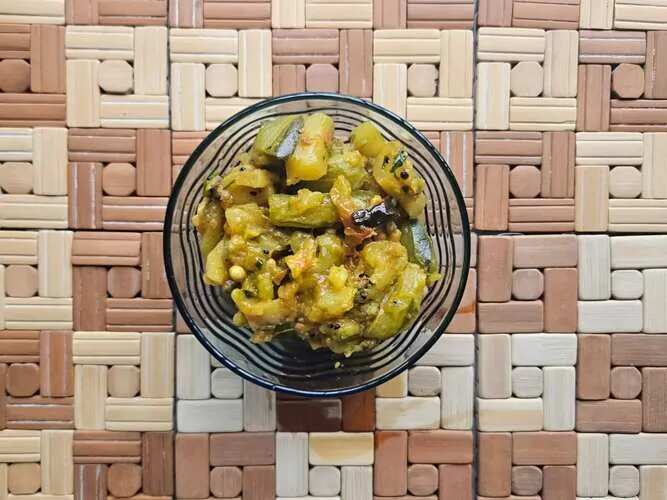
Image Courtesy: Saborni Saha
In a conversation with Soumita Mukherjee, a lecturer at Calcutta University, we got a view on how West Bengal widow cuisine has been a part of her entire life.
“It was never a sad veg-day at home. I remember my dida preparing lau ghonto, alu potoler dalna, mochaar chop, niramish sada alur tarkari, narkel diye shona moong dal, or simple alu posto every other day. In fact, loving Bengali vegetarian cuisine came naturally to me. Gaach-pantha (another name for echor or raw jackfruit) has always been a favourite dish with basanti polao.”
In addition to those mentioned above, the cuisine also features a variety of other dishes like Kochu’r Shaak Ghonto (taro stems cooked with lentils), Dhokar Daalns, Mishti Alur Chorchori (sweet and savoury stir-fry made with sweet potatoes), and Chaaler Ruti (rice flour flatbread). These dishes continue the tradition of creativity within the constraints of the widow’s diet, using everyday ingredients like taro stems, sweet potatoes, and lentils to create hearty, flavourful meals.
Also read: Shravan Thali Ideas That Are Light Yet Filling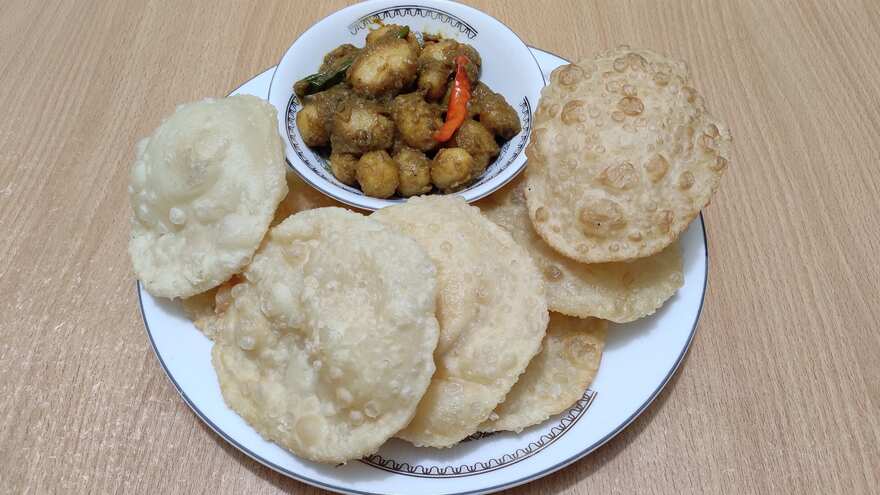
Image Courtesy: Adobe Stock
Other than the main course items, Bhapa Pithe is a traditional Bengali sweet made from rice flour, coconut, and jaggery, shaped into small cakes and steamed until soft.
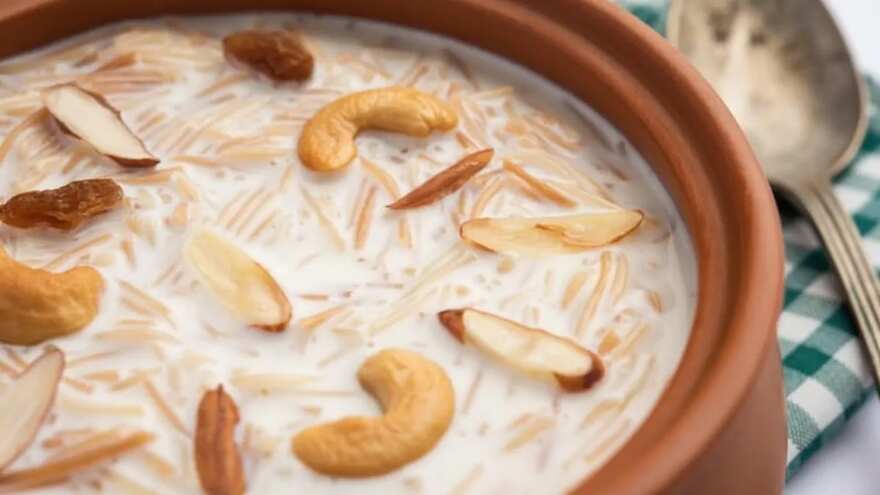
And then there is Payesh or Paramanno. It’s a Bengali rice pudding made with milk, rice, and sugar or jaggery, flavoured with cardamom and garnished with raisins and cashews.
Dishes like Patishapta (sweet coconut-filled crepes) and Gota Shedhdho (boiled whole vegetables) also showcase the versatility of widow cuisine.
Also Read: Different Posto Dishes From Bengali Cuisine
East Bengal vs. West Bengal Widow Cuisine: A Tale Of Two Traditions
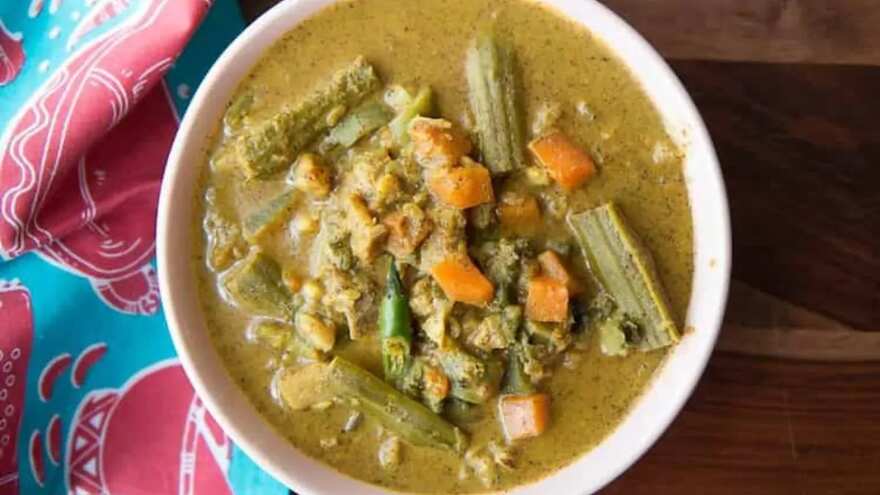
Image Courtesy: Adobe Stock
The cuisine of Bengali widows is rich with cultural and culinary significance, yet it also varies across regions. While both East Bengal (present-day Bangladesh) and West Bengal share a common cultural foundation, the ingredients and preparation methods in widow cuisine differ, shaped by local agricultural practices, regional tastes, and historical influences. These regional differences are particularly evident in how traditional dishes are prepared, what ingredients are used, and how the dishes evolve.
In East Bengal, the cuisine of widows often incorporates a bold, spicier flavour profile, with a greater emphasis on mustard oil and the use of green chillies.
In dishes like Narkel Diye Moong Dal (moong dal with coconut) and Echorer Dalna (jackfruit curry), coconut is used to add a creamy texture and subtle sweetness that contrasts with the savoury spices.
West Bengal Cuisine is known for its subtle, balanced flavours, with a distinctive sweetness that defines much of its cooking. The cuisine in Kolkata, in particular, is lighter and less spicy compared to its counterpart in East Bengal.
One key feature of West Bengal widow cuisine is the use of sugar in many dishes, adding a touch of sweetness to otherwise savoury meals. A prime example of this is Alu Posto, a simple yet beloved dish where potatoes are cooked with a poppy seed paste, turmeric, and a bit of sugar, creating a flavour that is mild and slightly sweet.
Another common technique is the deep-frying of vegetables, such as in Lau Ghonto, where bottle gourd is cooked with a few spices like turmeric and cumin, often with a light frying before adding the gravy, which gives the dish a richness without being overly spiced.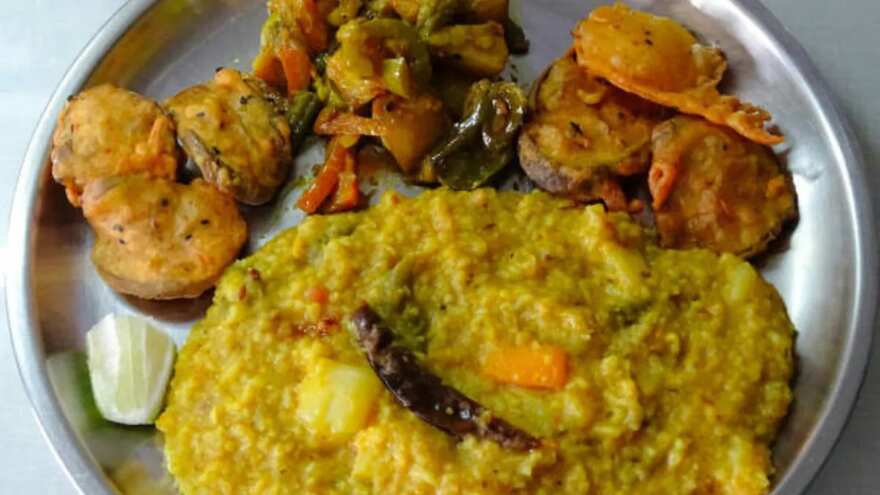
Image Courtesy: Adobe Stock
In East Bengal, widow cuisine (also known as Bangal cuisine) is much spicier, with a greater use of mustard oil to enhance the natural flavours of vegetables and a preference for bolder, more robust seasonings. Dishes like Shukto (a bitter vegetable stew) and Echorer Kofta (jackfruit kofta) are emblematic of East Bengali cuisine’s use of sharp, strong flavours.
Sushila Saha, an 82-year-old, currently residing in Bikrampur, Dhaka, talks about ‘Bangal’ Shukto and its must-have presence in every season.
“Shukto, here in Dhaka, is made with a variety of bitter vegetables like bitter gourd, raw papaya, and sweet potatoes, seasoned with panch phoron (a five-spice mix) and often served with rice to counterbalance its bitterness. We just sauté vegetables to retain the pure, earthy taste of the vegetables used. Summer, Monsoon or Winter, shukto is a must-have to keep your gut health better.”
East Bengal cuisine also bears a strong Mughal influence, following the use of ingredients like cashew paste in gravies, which thickens the sauce and imparts a rich, creamy texture. This can be seen in dishes like Echorer Dalna, where the jackfruit curry is enriched with cashew paste, making the gravy thicker and more indulgent.
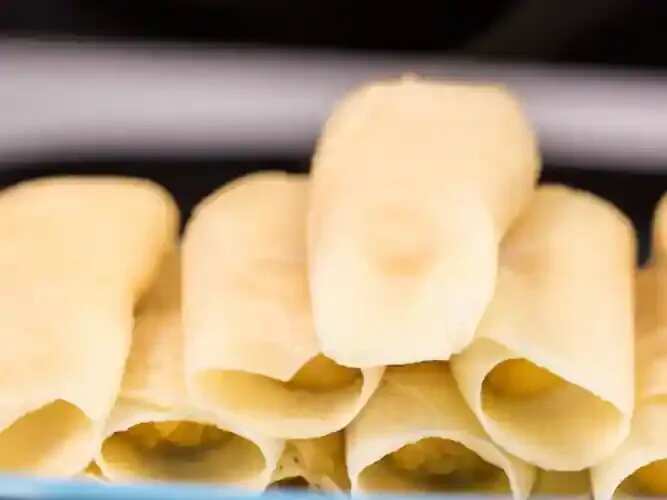
Additionally, payesh, a traditional Bengali dessert, has its own distinct variations across the two regions. In West Bengal, payesh is made with milk, kheer, sugar, and vermicelli, resulting in a creamy, light dessert. In East Bengal, however, the recipe uses atop chaal (short-grain rice), milk, sugar, cashew, raisins and is flavoured with elaichi (cardamom), for a grainier texture with a more aromatic profile.
The key difference in West Bengal widow cuisine lies in the simplicity of the ingredients. While East Bengal tends to incorporate bolder spices and the rich flavour of coconut, West Bengal tends to keep the ingredients more minimalistic and focused on enhancing the natural flavours of the vegetables. For example, Lau Ghonto (bottle gourd curry) and Labra (mixed vegetable curry) rely primarily on the vegetables’ natural sweetness, with spices such as cumin, turmeric, and ginger used sparingly.
As per Anjali Chakraborty (80), currently residing in Dhaka, she lost her husband at the age of 22. Right from that period, she has been following the niramish diet ever since.
She said, ” In East Bengal, the use of bori (dried lentil dumplings) is a defining characteristic. To Mochaar Ghonto (banana blossom curry) or Dhokar Dalna (lentil cake curry), bori adds a unique texture to the dishes. Also, the process of ‘Bori bosano” is a tradition I learnt from Maa.”
Regional Ingredients And How They Are Used In Various Dishes
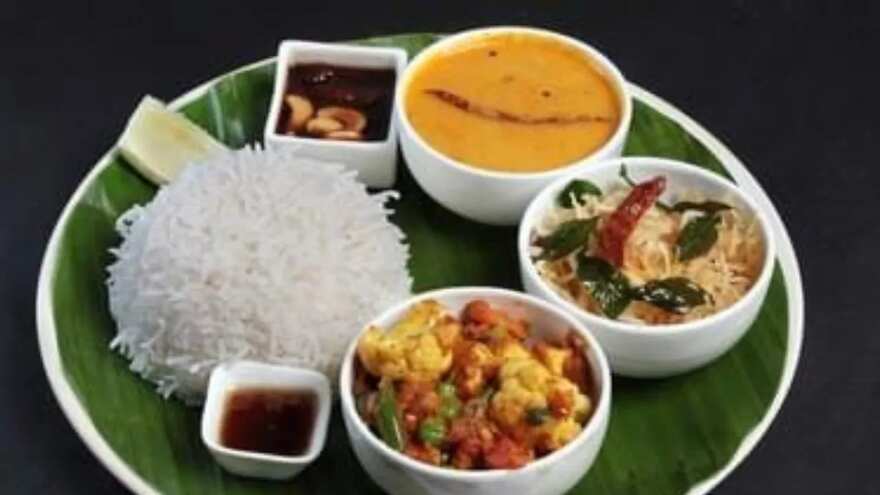
Image Courtesy: Adobe Stock
Bitter gourd (uchhe) plays an important role in both East and West Bengal widow cuisines, particularly in Shukto, but the preparation methods and seasoning differ. In East Bengal, the bitter flavours are often tempered with coconut and spices, while in West Bengal, mustard oil and a simpler seasoning profile are used, maintaining the pure bitterness of the vegetable.
While both East and West Bengal adapted vegetarian substitutes for fish, the way these substitutes were prepared differed. East Bengali widows used ingredients like jackfruit and sponge gourd to recreate the textures of fish, while West Bengal leaned more towards kofta to achieve a similar effect in their curries. Pumpkin, brinjal, radish, and sweet potatoes feature prominently in both East and West Bengali widow cuisines.
Originating from the necessity and deprivation, have now become integral parts of the Bengali vegetarian platter. Over time, these dishes, which were once created in isolation and hardship, have found their way into mainstream Bengali cuisine. In different restaurants like Bhojohori Manna, Saptapadi, Calcutta 64, Sonar Tori, they serve vegetarian thali during festivals and special occasions. Dishes like Shukto, Labra, and Chhanar Dalna are now staples not only in Bengali households but also in restaurants serving traditional Bengali food. These vegetarian platters are often on surge, especially during Durga Puja and Poila Boishakh (Bengali New Year).
These dishes, which once symbolised oppression and deprivation, are now emblematic of the creativity and resourcefulness that have become a core to Bengali cuisine.




