Share
Share

Navratri continues with devotion on the seventh day when prayers are offered to Goddess Katyayini. She is worshipped as a powerful form of Durga and is known for blessing her devotees with strength, courage, and clarity. The colour associated with this day is orange, and it symbolises energy, enthusiasm, and the positive light that inspires spiritual growth. The tradition of preparing bhog in the shade of the day has been followed across India for generations. On this day, households prepare satvik food in honour of the goddess, using ingredients that align with purity and simplicity. The orange offerings are not only a visual expression of devotion but are also linked with the deep symbolism of the colour in Hindu culture.
Sweets and savoury dishes with natural orange tones are usually prepared without onion and garlic. Ingredients such as saffron, pumpkin, carrots, sweet potato, and dry fruits are used to create food that is both nourishing and celebratory. The focus is always on balance, taste, and alignment with the customs of the puja.
Below are five ideas for bhog recipes that may be offered on the seventh day of Navratri in 2025 when worshippers seek the blessings of Goddess Katyayini.
1. Gajar Halwa
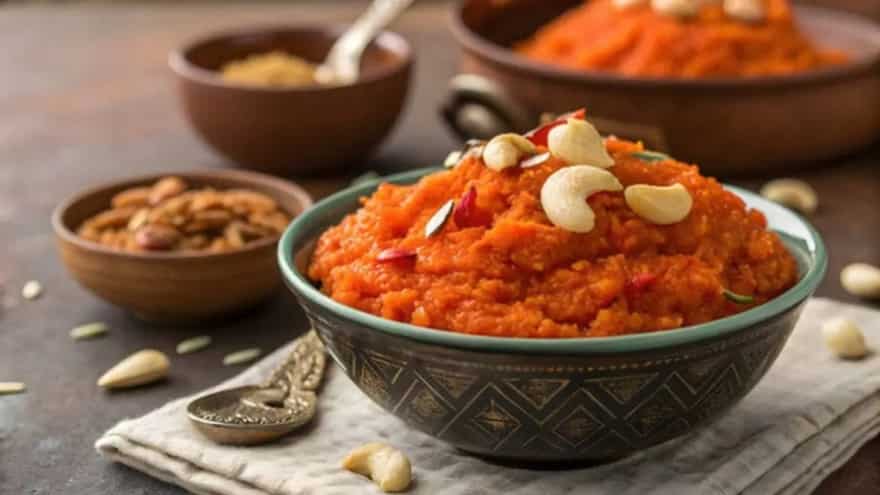
Gajar halwa is among the most cherished offerings for Goddess Katyayini because its natural colour fits perfectly with the shade of the day. Fresh carrots are grated and cooked slowly with milk until they turn soft and fragrant. Ghee is added along with sugar and a light touch of cardamom. A small pinch of saffron can enhance the colour and aroma further. Devotees often garnish the halwa with chopped cashews and almonds. Prepared in a satvik way without rich artificial colouring, gajar halwa symbolises sweetness and devotion while remaining light and wholesome.
2. Kesari Sheera
Kesari sheera is a semolina-based dish that has long been part of festive offerings. The preparation begins with lightly roasting semolina in ghee until golden before cooking it with water or milk. Sugar is added and saffron strands give the dish its vibrant orange shade. The fragrance of cardamom and the richness of dry fruits make it auspicious and satisfying. Kesari sheera is simple to prepare but is deeply significant as an offering because of the purity of its ingredients and its pleasing appearance. On Navratri day seven, this dish reflects both tradition and devotion.

3. Sweet Potato Halwa
Sweet potato halwa is a traditional dish that is especially suitable for fasting and festival days. Boiled sweet potatoes are mashed and cooked slowly in ghee until they take on a smooth consistency. Milk or condensed milk is added for richness, along with sugar or jaggery for sweetness. The natural orange colour of sweet potatoes makes this halwa an ideal choice for the seventh day bhog. Cardamom, saffron, and dry fruits provide extra flavour and texture. This halwa is considered nourishing and easy to digest, aligning perfectly with the satvik principles of Navratri cooking.

4. Pumpkin Kheer
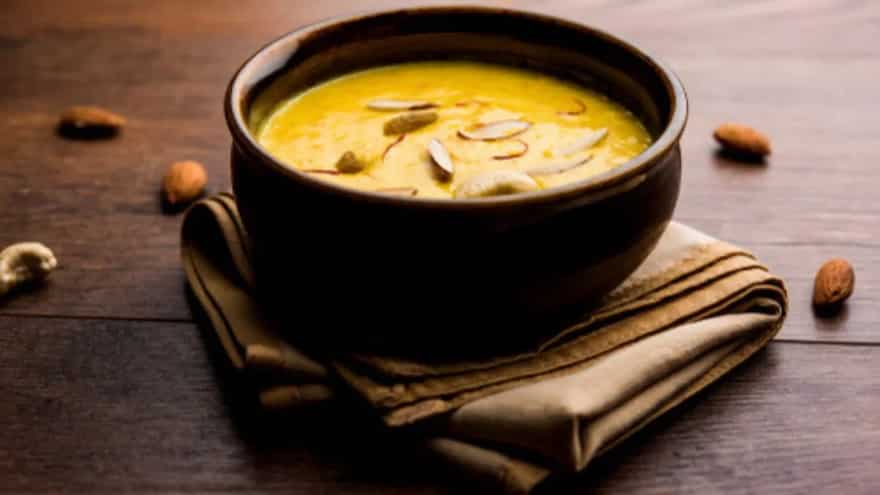
Pumpkin kheer is not as commonly offered as other dishes, but it has grown in importance for devotees who wish to prepare a satvik bhog in orange. Grated pumpkin is simmered slowly in milk and cooked until tender. Sugar and cardamom powder add sweetness and flavour, and saffron brings out the desired colour. The kheer is often finished with dry fruits and raisins for added richness. Pumpkin is considered a pure ingredient in satvik cooking, and when prepared in this manner, it creates a wholesome and symbolic dish for the goddess.
5. Saffron Rice
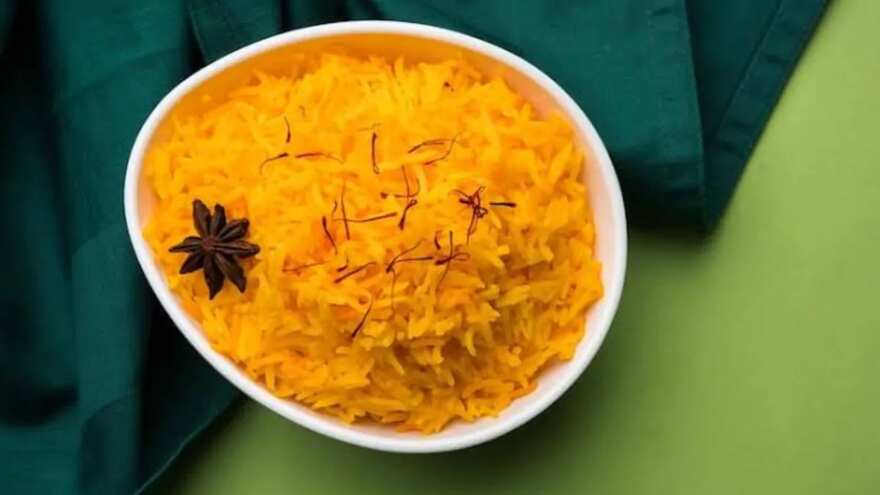
A simple yet auspicious dish for Navratri is saffron rice. Basmati rice is cooked carefully so that every grain remains separate, and saffron strands soaked in warm milk give it the desired orange hue. A small amount of ghee is added, and the rice may be garnished with cashews and raisins. The dish is satvik and fragrant, making it suitable as a bhog. The symbolism of rice in Hindu tradition is significant because it represents prosperity and nourishment. When prepared with saffron, it becomes an ideal orange offering for Goddess Katyayini on the seventh day of Navratri.