


 Share
Share

The Great Night of Shiva is a time when the spiritual vibrations of the universe are believed to be at their peak. It is a night of wakefulness, intense meditation and the celebration of the union between consciousness and energy. For centuries, this festival has been painted in shades of saffron and ash, echoing the ascetic nature of Lord Shiva. Central to this imagery is bhaang, the leaves of the cannabis plant, which tradition dictates is the favourite offering to the deity. While the image of devotees sipping Thandai in clay cups on the ghats of Varanasi is iconic, the modern Indian celebration is evolving. We are now seeing a shift from rustic roadside stalls to contemporary living rooms where tradition is honoured with a touch of culinary sophistication. The urban devotee is looking for ways to integrate this sacred herb into a lifestyle that values both heritage and refined taste. The consumption of bhaang during Mahashivratri is not merely a ritualistic act but one deeply grounded in the ancient wisdom of Ayurveda. Before we don our aprons to create modern fusion delights, it is vital to understand why this herb holds such a revered place in Indian medicine. It is far more than an intoxicant; when used with respect and knowledge, it acts as a subtle medicine that aligns the body with the rigorous demands of the festival.
The Wellness Perspective: Ayurveda For The Modern Soul
The primary benefit of bhaang that makes it relevant for the heavy feasting of festivals is its impact on the digestive system. Ayurveda categorises it as a herb that can kindle the digestive fire or Agni. In a modern context, where festive bingeing often leads to bloating and sluggishness, a controlled amount of this herb acts as a powerful carminative. It aids in the smooth processing of food and prevents the discomfort of indigestion. It allows the body to handle the rich, ghee-laden foods of the celebration without succumbing to lethargy.

Image credit: Freepik
Beyond digestion, the herb is celebrated for its ability to manage pain and inflammation. Lord Shiva is the supreme yogi, often seated in the lotus position for aeons. The analgesic properties of bhaang are significant for devotees who plan to stay awake all night or sit in long meditation sessions. It helps in soothing joint pain and reducing muscle stiffness, acting as a natural relaxant for the physical body. This anti-inflammatory capability makes it a functional ingredient for the elderly members of the family who wish to participate in the vigil without physical distraction.
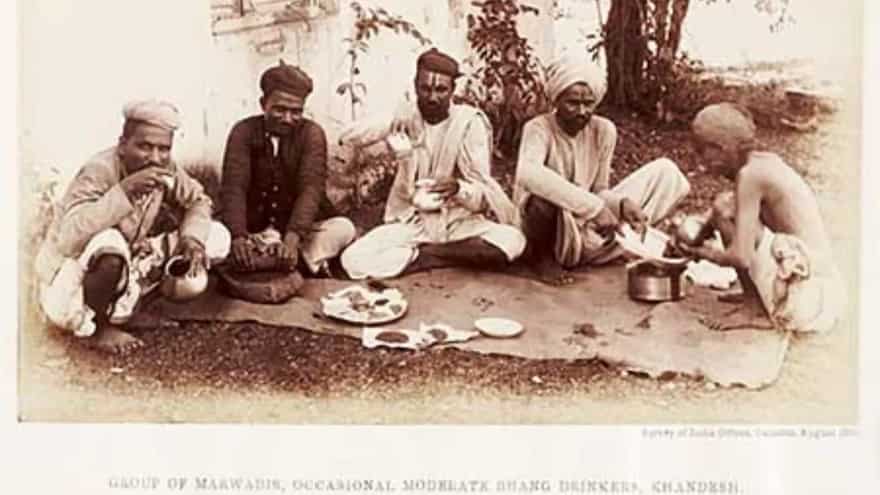
Image credit: Wikimedia Commons
Perhaps the most sought-after benefit in our high-stress contemporary lives is the nervine tonic effect of the herb. We live in an era of constant stimulation and anxiety. Bhaang works to downregulate the nervous system, shifting the body from a fight-or-flight mode to a state of rest and digest. For those who suffer from insomnia or restless minds, a micro-dose can induce deep and restorative sleep. This sedative quality helps the mind detach from worldly worries and focus on the spiritual introspection that Mahashivratri demands. It is a tool for mental quietude rather than just recreational euphoria.

Image credit: Wikimedia Commons
Culinary Evolution: Contemporary Recipes
The following recipes are designed to move the bhaang experience from the rustic glass of milk to the elegant dinner plate. These dishes use the herb as a sophisticated flavour profile, blending it with international techniques to create something truly unique for your Mahashivratri soiree.
Hemp and Holy Basil Pesto Bruschetta
This recipe reimagines the traditional grinding of chutney into a classic Italian pesto, serving it atop crusty bread for a chic appetiser. You begin by gathering your greens. In a food processor, combine two cups of fresh basil leaves, half a cup of fresh coriander for an Indian twist and two tablespoons of blanched bhaang leaves. Blanching the bhaang leaves in boiling water for thirty seconds removes the raw bitterness and ensures the final pesto is vibrant green. Add half a cup of toasted walnuts or pine nuts, which provide a creamy richness that complements the earthy herb. Toss in two cloves of garlic, a generous pinch of sea salt and half a cup of grated parmesan cheese or a hard vegetarian alternative. Pulse these ingredients while slowly drizzling in extra virgin olive oil until you achieve a coarse, emulsified sauce. To serve, slice a baguette or sourdough loaf into rounds and toast them until golden and crisp. Rub a raw garlic clove over the hot bread for aroma, then spoon the vibrant green pesto generously over the slices. Top with a slice of cherry tomato or a dusting of hemp seeds for texture. This dish pairs the sacredness of the herb with the freshness of basil, creating a starter that is light, aromatic and visually stunning.
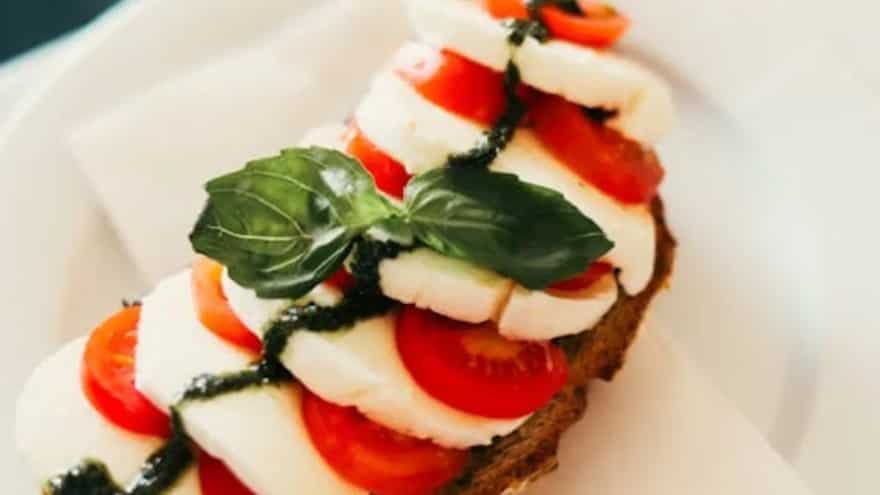
Image credit: Pexels
Spiced Spinach and Ricotta Cigars
Moving away from the heavy gram flour batter of pakoras, these delicate filo pastry cigars offer a crunchy yet light alternative that feels right at home at a modern cocktail party. Start by preparing the filling in a mixing bowl. Combine one cup of crumbled ricotta cheese with one cup of finely chopped, wilted spinach. The spinach should be squeezed dry of all moisture to prevent the pastry from becoming soggy. Into this mixture, fold in one tablespoon of bhaang paste that has been sautéed in a little butter to activate its compounds. Season the cheese mixture with a teaspoon of red chilli flakes, a pinch of nutmeg and salt to taste. The nutmeg is crucial as it enhances the nutty flavour of the cannabis. Now, take a sheet of filo pastry and brush it lightly with melted butter. Place a spoonful of the filling in a line along the bottom edge of the pastry. Fold the sides in and roll it up tightly to form a cigar shape. Repeat this until you have used all the filling. Arrange the cigars on a baking tray lined with parchment paper and brush the tops with more butter. Bake in a preheated oven at 180 degrees Celsius for fifteen to twenty minutes until they are golden brown and flaky. Serve these warm with a honey-chilli dip. The creamy ricotta and the crisp pastry make for a luxurious texture, while the herb provides a gentle, warming undertone.
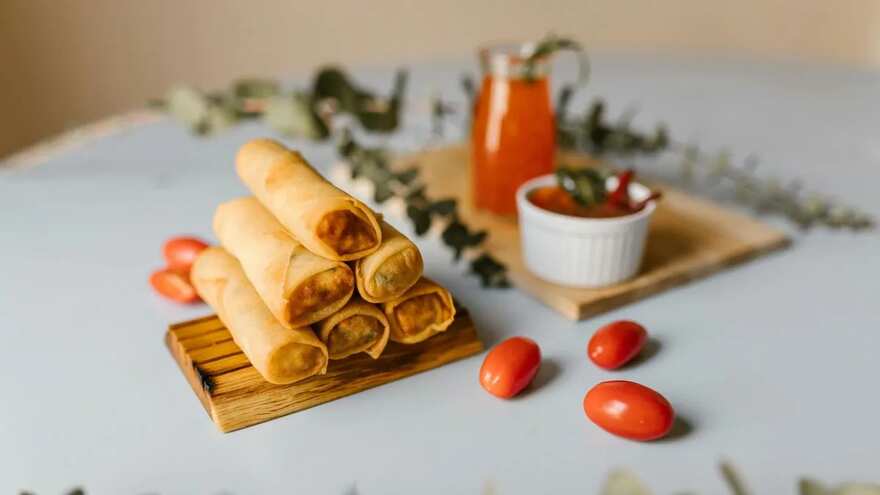
Image credit: Pexels
Dark Chocolate and Sea Salt Truffles
Dessert is the perfect vehicle for bhaang because the fats in chocolate and cream are excellent carriers for cannabinoids, making them more effective and smoother to digest. To make these decadent truffles, chop two hundred grams of high-quality dark chocolate, preferably seventy per cent cocoa, into small uniform pieces and place them in a heatproof bowl. In a small saucepan, heat half a cup of heavy cream until it is just about to boil. At this stage, whisk in one tablespoon of bhaang paste or powder into the hot cream, ensuring it dissolves completely. Pour the hot, infused cream over the chocolate chunks and let it sit undisturbed for five minutes. After the time has passed, gently stir the mixture starting from the centre moving outwards until you have a glossy, smooth ganache. Stir in a teaspoon of vanilla extract and a pinch of sea salt. Cover the bowl with cling film and refrigerate for at least four hours until the ganache is firm. Once set, use a teaspoon or a melon baller to scoop out small portions and roll them quickly between your palms to form balls. To finish, roll the truffles in cocoa powder, crushed pistachios or even edible gold dust for a festive touch. The bitterness of the dark chocolate perfectly masks the herbal taste, leaving only a complex, earthy finish that is truly sophisticated.

Image credit: Pexels
A Note On Responsible Hosting
As you introduce these modern interpretations to your guests, it is imperative to practice responsible hospitality. Edibles processed through the digestive system take significantly longer to manifest their effects compared to smoking or drinking. The high fat content in the cheese, pesto and chocolate can also intensify the absorption. Ensure your guests are aware of the ingredients and encourage small portions, treating these dishes as Prasadam to be savoured mindfully. Let the food enhance the spiritual ambience rather than overpower it.




