


 Share
Share

Mahashivratri is just around the corner and will be celebrated on February 15, 2026. This day is not just about fasting or following rituals, but it’s about slowing down, remaining awake throughout the night, worshipping, and picking vrat-friendly foods that feel calming rather than indulgent. On this day, what you drink also matters as much as what you eat. The main drink to this day is Thandai. Unlike the regular festive drinks, thandai is not too loud or too sweet. It is gentle, calming, and thoughtfully prepared, often at home hours before prayers start. The process itself feels meditative—soaking nuts, grinding spices, stirring milk slowly.
Mahashivratri is the night of indulging in devotion, observing fast, and praying to lord shiva. Among all offerings and vrat-friendly drinks, thandai holds a special position. Cooling, aromatic, and deeply nourishing, this classic milk-based drink is prepared in homes and offered as prasad in temples across North India during the occasion of Mahashivratri. Beyond just the taste, thandai holds cultural meaning, seasonal logic, and ritual importance. Prepared by mixing nuts, seeds, mild spices, and milk, it perfectly balances the body while fasting, representing purity and calmness, qualities that are deeply associated with Lord Shiva.
Why Is Thandai The Main Drink On Mahashivratri?
Mahashivratri falls in the month of February, when the winter season begins to disappear, and the body adapts to seasonal change. Thandai has cooling ingredients such as almonds, fennel, melon seeds, and milk, which help in calming the internal heat that often builds up during fasting. Unlike tea or any other sugary drinks, it is nourishing without being too heavy. Traditionally, thandai was prepared to support devotees who stayed awake during the night praying, as it delivered slow energy as well as kept the body hydrated. Its calming nature also aligns with the calm, meditative mood, centric to the festival, making it a perfect drink to have for both vrat as well as comfort.
Why Is Thandai Offered To Lord Shiva?
Lord Shiva is often linked with calmness, ascetic living, and having balance. Thandai mirrors all of these qualities flawlessly. Prepared with natural ingredients, no addition of grains, and little sweetness, thandai is considered sattvic and pure in every sense. As per mythology, Lord Shiva is linked to cooling elements, such as Mount Kailash, the crescent moon, and the river Ganga. Thandai, served chilled or at room temperature, represents the cooling energy. Having it during Mahashivratri is a way to honour the deity, particularly during long prayers and night prayers.
Here are 5 types of thandai that you can make at home this Mahashivratri:
Classic Dry Fruit Thandai
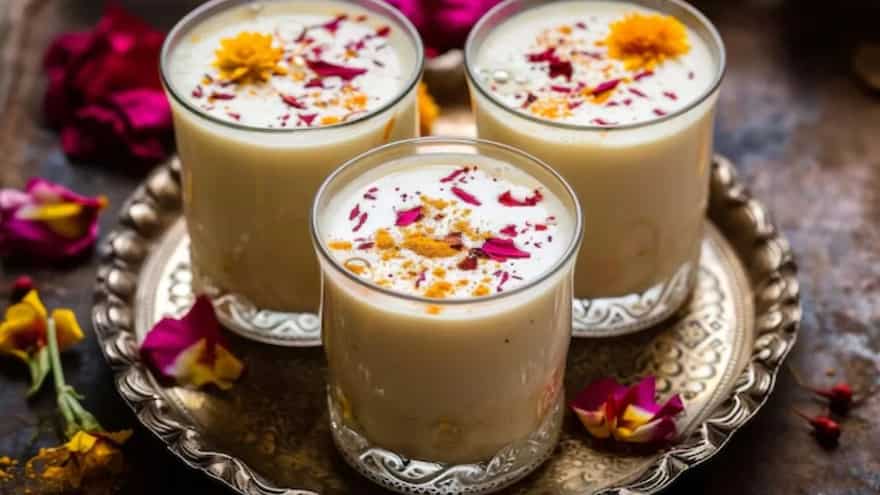
Soak some almonds, cashews, poppy seeds, fennel, melon seeds, and peppercorns for at least an hour or two. Grind everything to make a smooth paste, mix it with chilled milk, sugar, and a hint of cardamom. This version of thandai is rich, lightly sweet, and fragrant. It tastes creamy without being too heavy on the stomach and is the most traditional type served during Mahashivratri.
(Image credit: Freepik)
Rose Thandai
Make a basic thandai paste, just like classic dry ones, then add rose syrup or dried rose petals to the paste while blending. Mix it with cold milk and sugar. The rose gives a floral sweetness and a lovely pink shade. This version feels light, aromatic, and gently refreshing. It is perfect if you like a gentle flavour and not very sharp. It feels festive in every sip, yet soothing and is perfect for having during vrat.
Kesar Badam Thandai
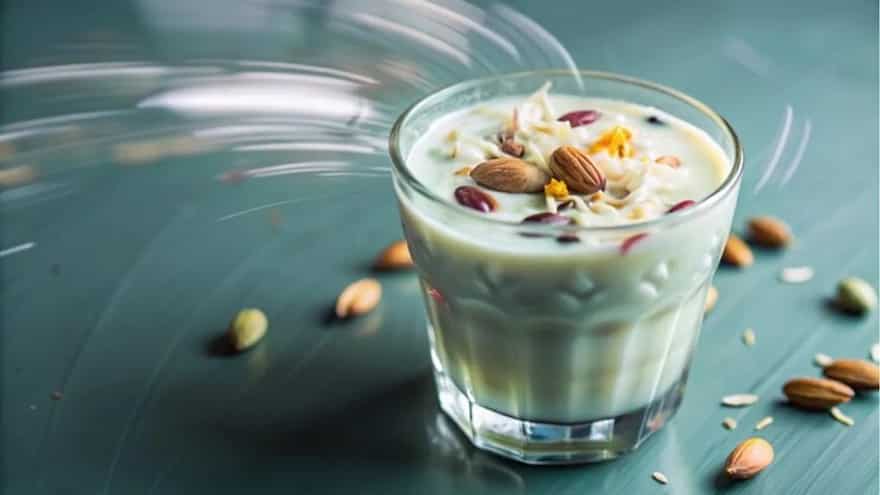
Soak some almonds overnight and add a few saffron strands to them. Grind the almonds smoothly, and mix with warm milk before you chill it for chilling. The saffron gives the thandai a light richness and golden colour. This thandai tastes luxurious in every sip and warming despite being served cold or even at room temperature. It is ideal to have at evenings or post-pooja rituals when you want something filling but also vrat-friendly.
(Image credit: Freepik)
Coconut Milk Thandai
In this, replace the regular milk with diluted coconut milk and add ground nuts, fennel, and cardamom to it and sweeten gently. This version is much lighter, lightly nutty, and naturally sweet. It is a perfect option for those who avoid dairy or are looking for a lighter vrat-friendly drink. The flavour is refreshing and trendy while adhering to the vrat guidelines.
Light Mint Thandai
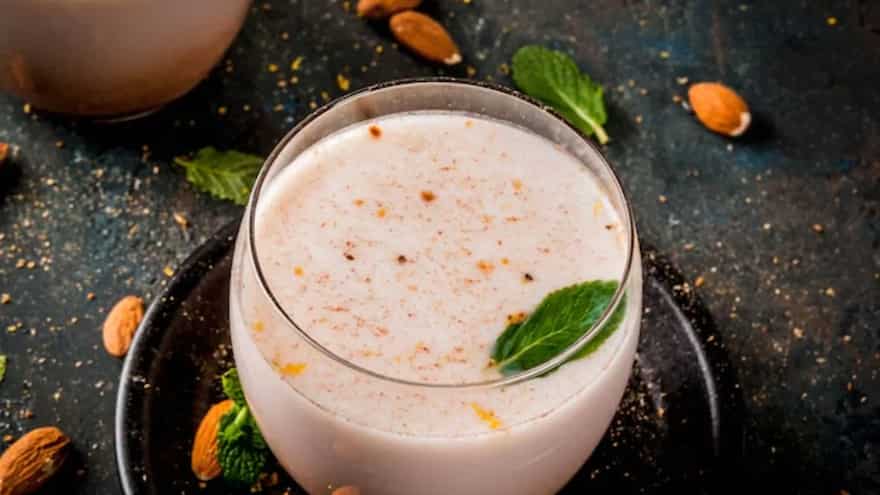
Add a few fresh mint leaves while grinding the soaked nuts and seeds. Blend it with milk and add some sugar. Mint gives a cooling finish and fresh aroma to the thandai. This thandai tastes mild and soothing, particularly after long fasting hours.
(Image credit: Freepik)




