


 Share
Share

As the sun sets over the vast horizon of the Arabian Sea on 15 February 2026, the ancient temple of Somnath transforms into a beacon of spiritual light. This sacred site, holding the distinction of being the first of the twelve Jyotirlingas, becomes the centre of the world for millions of devotees during Mahashivratri. The atmosphere is thick with the scent of incense, the sound of rhythmic chanting, and the crashing of waves against the temple walls. Mahashivratri is not just a day of prayer; it is a day of deep discipline, community, and specific culinary traditions that honour the Lord of Destruction and Rebirth.
The Sacred Offerings To The Jyotirlinga
The rituals at Somnath are ancient and meticulously followed. During Mahashivratri, the temple remains open for thirty-six hours, allowing a continuous stream of pilgrims to seek blessings. The primary offerings to the Shiva Lingam, known as the Abhishek, are central to the festival. Devotees offer a mixture of five sacred substances known as Panchamrit. This consists of cow milk, curd, honey, ghee, and sugar. Each ingredient holds a symbolic meaning: milk represents purity, curd provides strength, honey adds sweetness to speech, ghee denotes knowledge, and sugar symbolises the joy of life.
In addition to Panchamrit, the Bilva Patra or Bel leaves are the most vital offering. The three-leafed branch is said to represent the three eyes of Shiva or the three Gunas: Sattva, Rajas, and Tamas. In 2026, the Somnath Trust has organised special Bilva Pooja sessions where devotees can participate in offering these sacred leaves while chanting the holy mantra, Om Namah Shivaya. The temple air is also filled with the fragrance of Sandalwood paste, which is applied to the Lingam to cool the fierce energy of the deity.
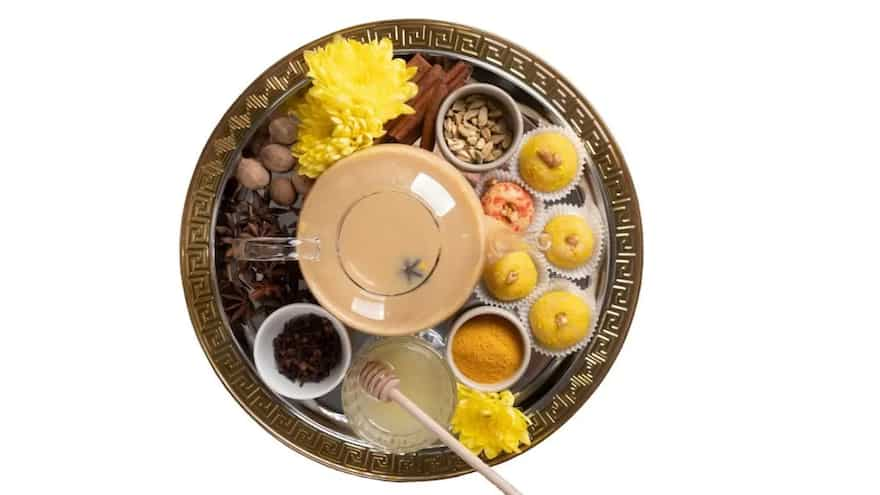
Image credit: Freepik
Understanding The Mahashivratri Vrat
Fasting is a core component of the celebrations at Somnath. Devotees choose different levels of austerity based on their health and devotion. Some observe the Nirjala Vrat, which involves abstaining from both food and water for the entire duration of the fast. However, most pilgrims opt for the Palahar or Phalahari Vrat. The term Palahar is derived from the words Phal, meaning fruit, and Ahaar, meaning diet. This diet is designed to be Sattvic, meaning it is pure, light, and promotes mental clarity. During this period, grains like wheat, rice, and pulses are strictly avoided. Instead, devotees consume specific tubers, fruits, and pseudo-cereals that are considered pure for religious occasions. In the vibrant stalls around the Somnath temple complex, the variety of Palahar food available is a testament to the rich culinary heritage of Gujarat.
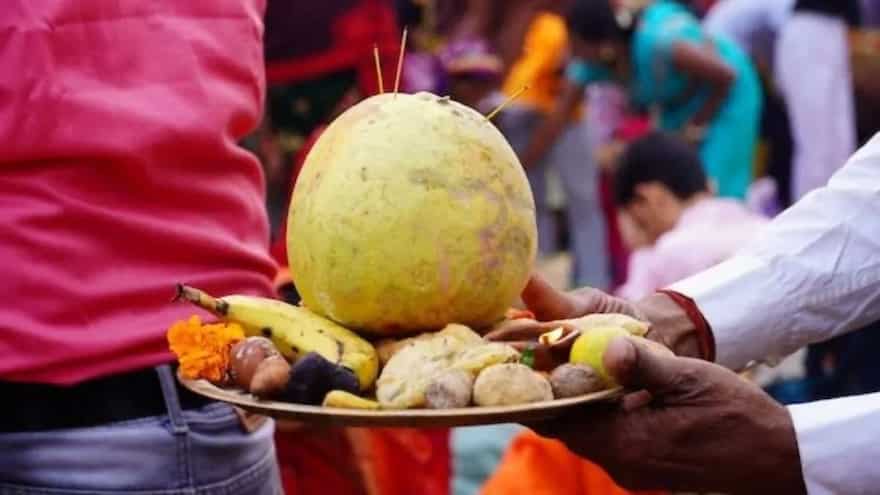
Image credit: Freepik
The Palahar Delights Of Somnath
The Gujarati influence on Mahashivratri food is unmistakable. The primary staple for many during this fast is Sabudana, or tapioca pearls. Sabudana Khichdi is a favourite, prepared with soaked pearls, roasted peanuts, green chillies, and a generous tempering of cumin seeds in pure ghee. The addition of fresh coriander and a squeeze of lemon juice adds a refreshing flavour to this energy-dense meal.
Another quintessential dish found in the vicinity of Somnath is Moraiyo, also known as Sama or Barnyard Millet. Since it is technically a seed and not a grain, it is permitted during the fast. It is often prepared as a savoury porridge or khichdi, served with a bowl of cooling Farali Kadhi. Unlike regular kadhi, the Farali version uses water chestnut flour or buckwheat flour as a thickener instead of chickpea flour, and it is seasoned with ginger and green chillies.
Potatoes, known as Aloo, and sweet potatoes, called Shakariya in Gujarati, are widely consumed. Devotees often enjoy Aloo ki Sukhi Bhaji, where boiled potatoes are sautéed with rock salt, known as Sendha Namak, and black pepper. Sweet potato kheer is another local speciality, where the tubers are grated and cooked in thickened milk with saffron and cardamom.
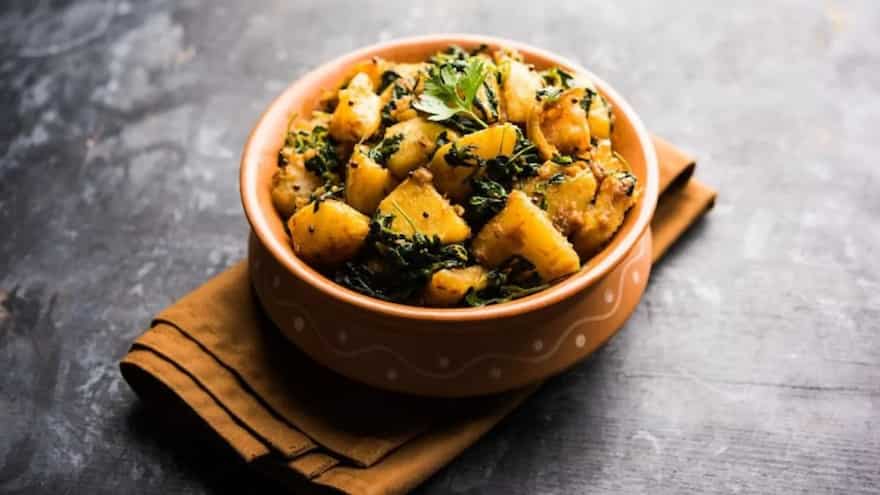
Image credit: Freepik
Offerings Of Sweetness And Strength
Prasad at Somnath is an integral part of the experience. The temple trust provides Laddu and Peda made from pure milk and mawa. For Mahashivratri, special dry-fruit based sweets like Rajgira Chiki and peanut brittle are popular choices. Rajgira, or Amaranth, is a powerhouse of nutrition and is often consumed as a laddo or as a paratha made from its flour.
One cannot discuss the food of Mahashivratri without mentioning the liquid refreshments that keep the devotees hydrated during the long hours of the Jagaran, the night-long vigil. Thandai is the most famous drink associated with Shiva, though in the Somnath region, it is often served without the intoxicants found in other parts of the country. It is a rich, milky concoction flavoured with fennel seeds, melon seeds, rose petals, and almonds. The cooling nature of Thandai is perfect for the humid coastal climate of Veraval.
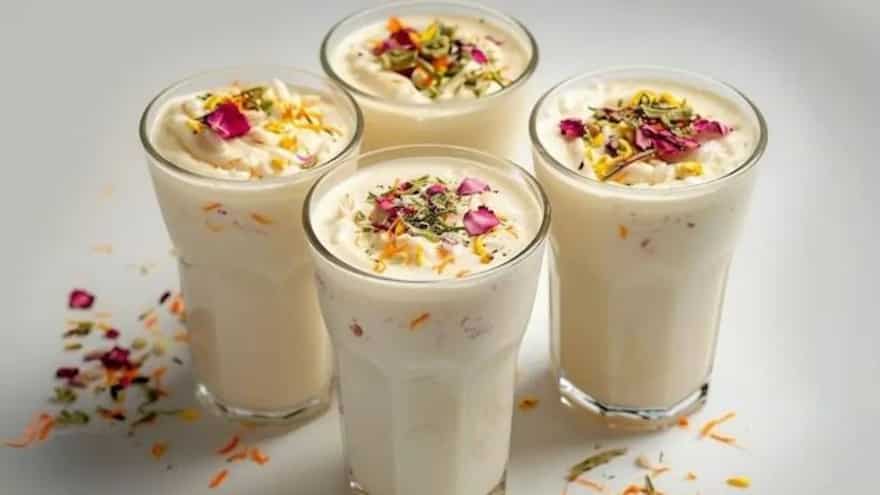
Image credit: Freepik
The Four Prahars And The Final Feast
The worship of Shiva on Mahashivratri is divided into four phases called Prahars. Each Prahar lasts about three hours, during which specific offerings are made. In the first Prahar, milk is offered. In the second, curd. In the third, ghee. And in the final Prahar, honey is the primary offering. This sequence ensures that the deity is worshipped throughout the night, reflecting the devotion of the pilgrims who stay awake to witness the Nishita Kaal Puja, the most auspicious time for Shiva’s energy.
The fast is traditionally broken on the morning of 16 February 2026, after the final puja and after sunrise. This act of breaking the fast is called Parana. In the households of Gujarat and among the pilgrims staying at the Atithi Bhavans in Somnath, the first meal after the fast usually consists of simple, wholesome food like Moong Dal Khichdi or a full Gujarati Thali, signifying the return to a regular diet while carrying the spiritual merit of the fast.
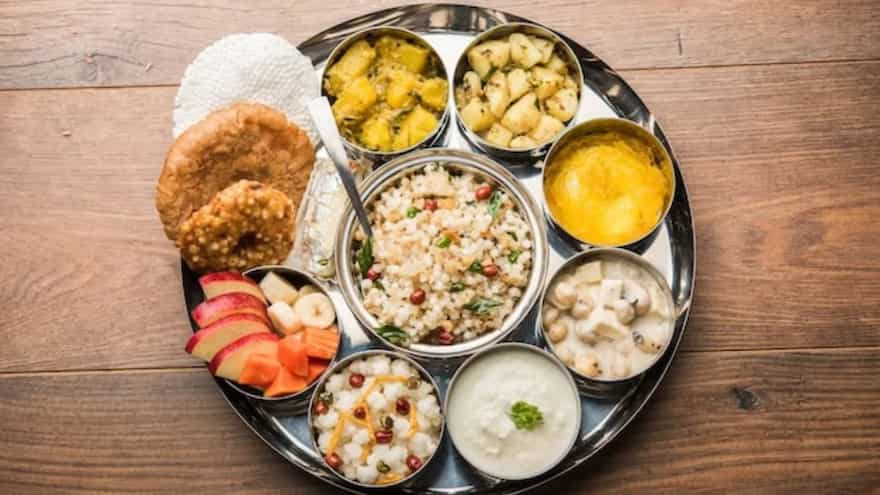
Image credit: Freepik
Practical Tips For The 2026 Pilgrimage
If you are planning to visit Somnath for Mahashivratri 2026, it is essential to prepare for the crowds. The Somnath Festival, which includes cultural programmes and seminars, runs alongside the religious rituals.
• Accommodation: Book your stay well in advance at the various Guesthouses managed by the Trust or local hotels.
• Dress Code: Wear modest, traditional Indian attire. Men usually wear Dhoti or Kurta-Pyjama, and women wear Sarees or Salwar-Kameez.
• Hydration: Keep yourself hydrated with coconut water and lemon water, which are widely available and vrat-friendly.
• Safety: Follow the queue management systems strictly, as the temple authorities expect hundreds of thousands of visitors.




