


 Share
Share

Every year on 30 January, International Croissant Day is celebrated. And rightly so! The croissant's buttery layers and crescent shape make it more than just a coffee partner. It is the epitome of baking skill and the delight that comes from simple food. Croissant, pronounced khru-ah-son, gets its name from its form, as a croissant is French for crescent. Though this flaky pastry is commonly identified with France and is a staple in most French boulangeries (bakeries), food historians think it originated in Austria and was introduced to France by two Austrian bakers in the 19th century.

Image Credit: Pexels
Typically, croissants are produced with yeast-risen dough. The dough is coated with butter before being rolled. It is folded several times in a process known as lamination. The dough is then sliced into triangles, formed into a crescent shape, and baked. The flaky texture and airy shape of croissants are due to the laminating process. We all like alternatives, and there are many different sorts of croissants to select from. If you’re someone who loves croissants to the core, here are a few recipes that you can try at home!
Pain Au Chocolat
This croissant combines the flavour of two delicious ingredients: butter and chocolate. The croissant is formed by folding chocolate bars into a buttery dough and baking it. Pure couverture chocolate is folded into Danish pastry dough to make pain au chocolat. It was invented by Austrian baker August Zang, who started the first Viennese bakery in Paris in the 1830s. Zang introduced ‘schokoladencroissants’ to the public, which were crescent-shaped and used brioche instead of croissant dough. In French, ‘schokoladencroissant’ means ‘chocolatine’. More Viennese bakeries followed Zang’s, and French bakers started layering the schokoladencroissant dough until the pain au chocolat pastry as you know it today was born. Earlier, any bread stuffed with chocolate that was eaten by children was called pain au chocolat. Gradually, chocolatines came to be known as pain au chocolat.
Croissant Au Beurre
Because it is cooked with a lot of butter, this version of flaky pastry is delectable. Your taste buds are exposed to the salty, flavorful taste of butter with each bite. The butter croissant is typically crescent-shaped and comprises around 70 layers of flaky dough. It goes well with tea and coffee, so include it in your breakfast menu or as a teatime snack. After dividing the dough into three pieces, roll it out until it is about 1/8 of an inch thin. To make rolling simpler, cut out triangles and use a knife to split the ends. To make it stick when rolling, lightly spray it with water. And allow it to grow until it doubles in size in a warm environment. Next, preheat the oven to 350 degrees, coat the croissants with egg wash, and bake for 18 to 20 minutes, or until they are crispy and lightly browned.
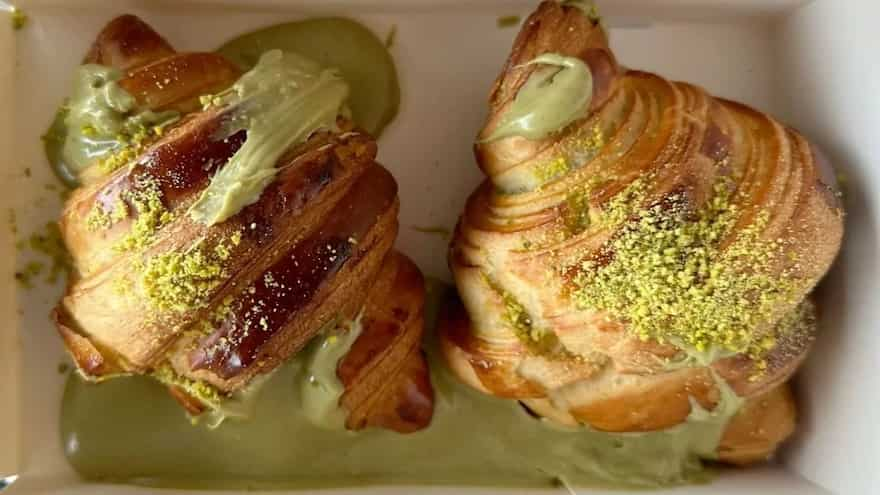
Image Credit: Pixabay
Pistachio Crossiant
With good reason, the pistachio croissant has recently taken centre stage in bakeries all around the world. It is a very luxurious take on the traditional croissant thanks to its delicate, buttery layers and nutty, slightly sweet pistachio filling. Its vivid green innards and crunchy toppings have made it extremely "Instagrammable," which has contributed to its success on social media. This recipe should be on your list if you're thinking about creating croissants for International Croissant Day 2026; it's the best fusion of taste, style, and inventiveness that transforms the simple pastry into a global favourite. It also became even more popular after BTS’s V went viral, enjoying one at Paris Fashion Week!
Almond Croissant
A traditional dessert known as French almond croissants was developed to make use of stale, day-old croissants. They frequently adorn French bakeries' windows, nestled next to the traditional croissant aux beurre and the pain au chocolat. They stand out thanks to the powdered sugar and chopped almonds on top. Making traditional croissants can be an intricate process, involving multiple layers of buttery dough that are folded and rolled several times to create the characteristic flakiness. However, for those following an eggless diet or seeking a plant-based option, an eggless croissant recipe offers a delectable alternative.
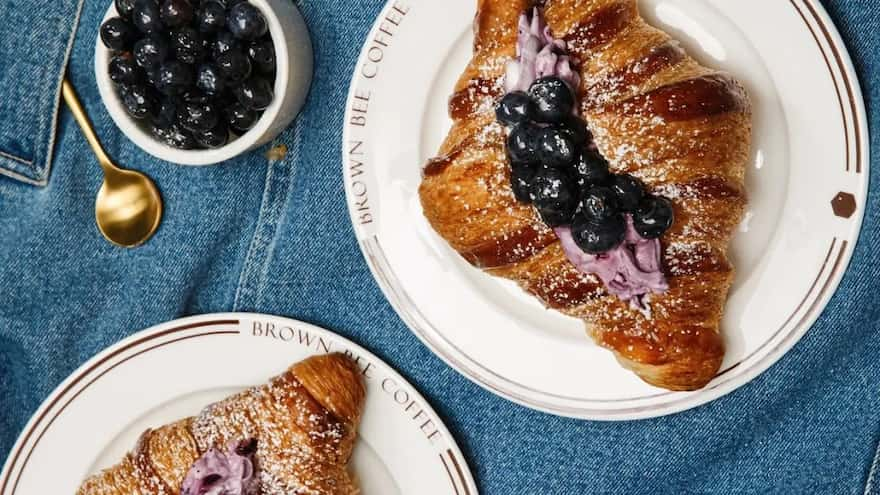
Image Credit: Adobe Stock
Berry Cheesecake Croissant
The berry cheesecake croissant is basically a croissant with a fun twist. It’s light, soft, and slightly crisp on the outside, with a creamy cheesecake filling and juicy berries inside. It's quite pleasant, sweet, and somewhat sour. If you want to try making it at home, you don’t have to overcomplicate things. You can grab store-bought croissant dough, mix cream cheese with a bit of sugar, add fresh or frozen berries, fold it up, and bake until golden. Easy! For drinks, it’s awesome with a warm coffee, a latte, or even a fruity iced tea if you want something refreshing. It’s the kind of pastry that makes your breakfast feel like a little celebration.




