


 Share
Share

In Lucknow, where food still has the way of slowing elegance of nawabi culture, a nearly 200-year-old royal kitchen persists to still simmer with life every single day. Long before the “heritage dining” became trendy, the Shahi Bawarchikhana at Chota Imambara was already doing something rare, i.e. preserving food practices not through nostalgia, but through continued cooking.
Now, as restoration work starts on the historic kitchen that was built in 1837 by Nawab Muhammad Ali Shah of Awadh, attention is resuming not only to its architecture, but also to the incredible food culture that prevailed inside it. Unlike the abandoned palace kitchens that were converted into museum spaces, this one never stopped feeding people. Big handis still get cooked over fire, kebabs are still shaped by hands and rotis are still prepared in bulk, and meals are still distributed during religious crowds, particularly on occasions such as Ramadan and Muharram.
The kitchen is not in the news, just because the walls are being repaired, but it is about a living food system that has quietly survived the changing rulers, colonialism, independence, modernisation, and also the fast-food culture, without losing its original intent. That is what makes the restoration unique.
The Awadhi Philosophy Of Feeding People
Awadhi cuisine is often known for refinement, such as melt-in-the-mouth kebabs, fragrant biryanis, light gravies, and slow dum cooking. But behind that, sophistication was another essential idea, i.e. hospitality at ranking.
Historically, royal kitchens in Awadh were not only about the spaces of luxury. They were systems made to feed large gatherings during the festivals and the holy events. Food was closely knitted to generosity and public life. The Shahi Bawarchikhana still reflects that perspective even today.
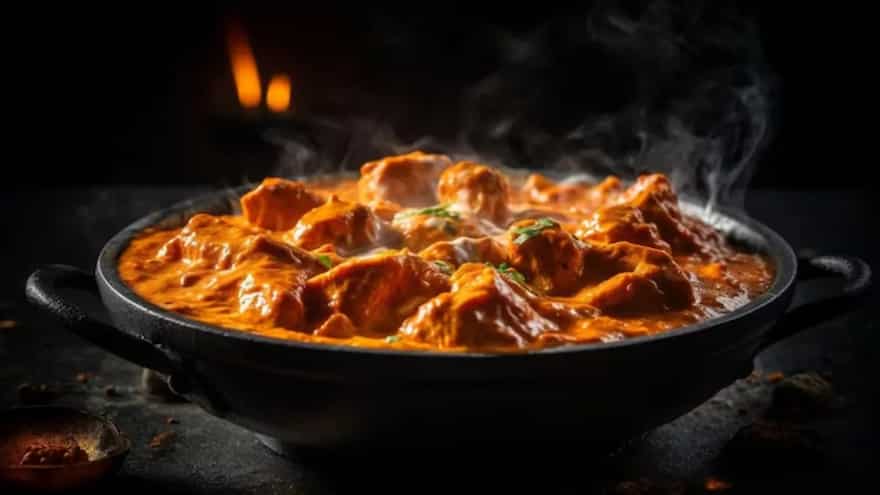
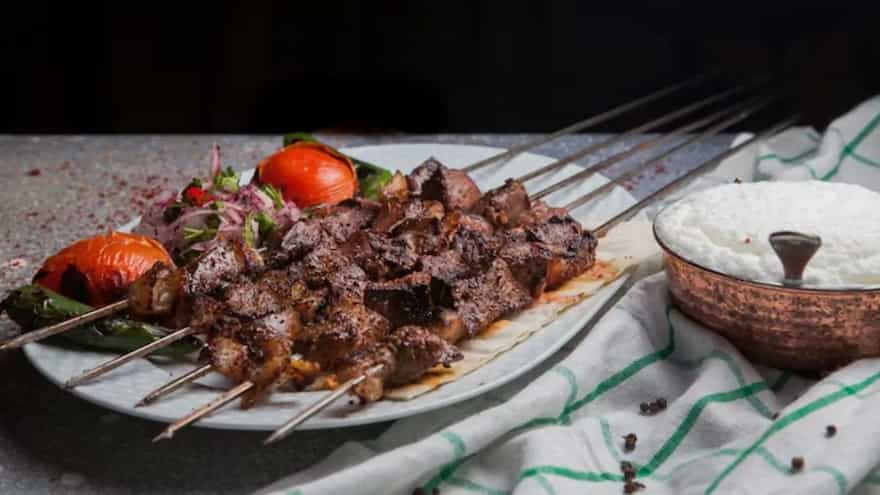
Cooking here remains deeply traditional in core. Food is prepared slowly rather than just being rushed. The meat is cooked patiently until it has turned soft. Kebabs are prepared carefully to get their softness. Aromatic spices are layered gently in place of aggressively overpowering the dishes. Even when cooked in large quantities, the food still observes the old Lucknow intuition for balance and texture.
People who grew up around the Imambara recall the atmosphere vividly: the smoke rising from the giant handis, the smell of ghee and spices drifting through the courtyard, and long lines forming before evening meals were spread.
(Image credit: Freepik)
A Kitchen That Still Smells Alive
Most royal kitchens in India have survived only through recreated restaurant menus or heavily prepared heritage experiences. The original cooking areas often disappeared centuries ago. But here, the soot-darkened walls still belong to an active kitchen.
That detail changes everything. The blackened ceilings are not cosmetic nostalgia; they are marks left by years of constant cooking. The floors still have the movement of cooks, helpers, and food carriers ferrying meals between giant vessels and the waiting crowds. Even during the restoration work, cooking reportedly resumed in another area of the complex because the food service could not just stop.
The Restoration Is Preserving Food Heritage Too
Conservation teams restoring the kitchen are reportedly using the traditional materials identical to those initially used in Nawabi architecture, such as lime mortar mixed with jaggery, black gram, natural gum, and brick dust rather than modern cement.
At first glance, this may sound like an architectural detail. But food spaces here soak history differently from the everyday buildings. Kitchens change through smoke, heat, oil, movement, and continued human activity. Preserving the original structure means maintaining the environment where generations of Awadhi cooking techniques have survived. Those techniques matter still today.
Awadhi cuisine is built around patience, i.e., slow cooking, controlled heat, layered fragrance, soft textures, and careful handling of meat as well as spices. Large-scale cooking in old royal kitchens needed extraordinary organisation and skill long before the modern catering systems existed. The Shahi Bawarchikhana still carries hints of that culinary world.
(Image credit: Freepik)
More Than A Monument
What makes this kitchen emotionally influential is that it was never separated from the ordinary people, as the food cooked here was not reserved only for royalty. It became part of spiritual gatherings, neighbourhood memory, and public feeding practices that survived even the political change, economic shifts, and also the modernisation and ever-changing trend.
Across India, food heritage is often maintained through pricey tasting menus or nostalgic storytelling. This Awadhi kitchen symbolises something more grounded, a place where culinary heritage has survived because people still rely on it.
The restoration of the Shahi Bawarchikhana is not just about protecting an old structure in Lucknow, but it is about protecting one of India’s few surviving examples of the living food heritage, a royal kitchen where the fires never fully went out.




