


 Share
Share

Grail can be made either latpata with a thick masala or sukha (dry). Grail, which is mostly cooked with latpata masala, is surprisingly easy. You marinate the meat in a paste of onion, ginger and garlic, dahi, oil and lots of black pepper powder, no garam masala here. You then pressure cook the meat, followed by a low and slow sauté until the gravy becomes latpata. On a teak breakfast table, Grail would emerge with roti, gajrela, aloo ki bhujia, and an egg. Many families attempt to imitate the traditional grail recipe taste, but it is never the same. The actual dish has a lot of zaiqa, which roughly translates to flavour.
How Did Grail Find Its Culinary Roots?
The dastarkhwan is both a feast and a ritual in many Indian Muslim households, particularly ones that have been formed by centuries of Mughal and regional influences. Pulao gosht, which is fragrant with whole spices, slow-simmered nihari, smoky seekh kebabs (known as Bihari kebab outside of Bihar), creamy nargisi kebabs, flaky baqarkhani, and soft naan pamba are among the traditional foods that are served there. Each dish has layers of history and technique.
A lesser-known preparation, nevertheless, frequently emerges as the silent star amid this ornate display. Rarely seen in its purest form, a meal like the grail embodies the subtle philosophy of these kitchens, moderation over excess. The meat is carefully prepared, with just the right amount of seasoning to accentuate rather than overpower, letting its inherent depth come through. Rarely do these lunches end suddenly. Dessert is served in open courtyards or aangan places where winter sunshine seeps through mango trees, such as a bowl of makuti or a cosy moong dal kheer. Indian Muslim culinary traditions emerge during these times not only as food but also as an experience based on hospitality, seasonality, and careful, patient preparation.
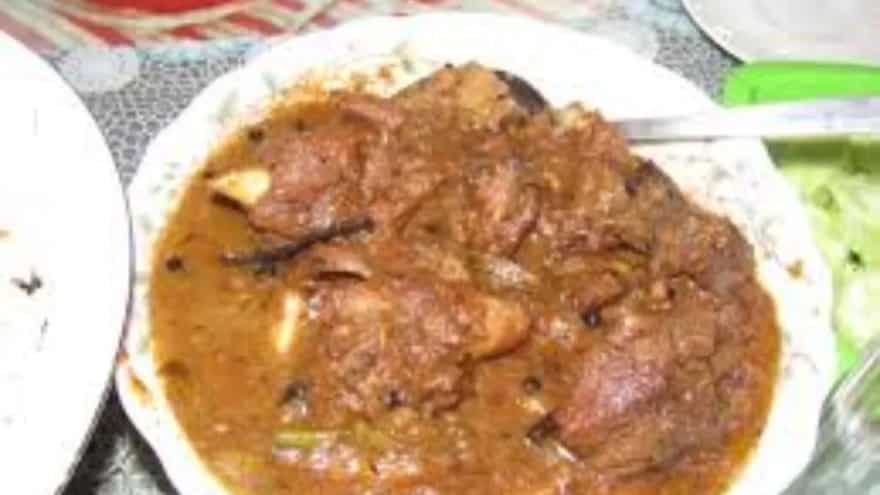
Image Credit: Wikimedia Commons
A Bihari-Muslim Delicacy For The Festive Seasons
The latpata cooking method honours the richness of mutton fat, or charbi, as the main flavouring ingredient, especially during festive times. The meal gets all of its depth from the meat itself, without the use of ghee or additional oils. Traditionally, the most prized version is prepared with meat from large, well-fattened goats, especially available during Baqr Eid, when quality and abundance go hand in hand.
Grail must be consumed warm to prevent the fats from solidifying. You should serve it in a double-walled dish designed to stay warm in order to address this. The aperture on the side is filled with warm water and sealed with a cork stopper with a ceramic top. Similar to this recipe for gold, you inherit one of these plates, which is more than a century old. Cooks modify their recipes outside of the holiday season by using carefully chosen pieces such as dasti (shoulder), seena (short ribs), and champ (ribs), which are frequently enhanced with additional fat to get the same decadent texture. A distinguishing feature of this culinary heritage is the sparse use of spice, which lets the meat's inherent tastes shine.
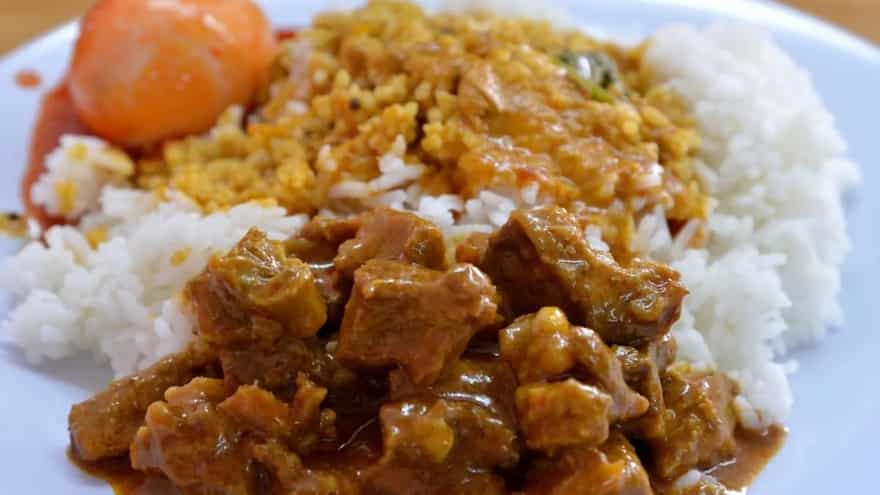
Image Credit: Wikimedia Commons
The practicality of modern kitchens is also shown in the preparation. Perfect for open-house parties during Baqr Eid, the meal can be prepared ahead of time by slow-cooking it until it's soft, then shallow-frying it in its own rendered fat as visitors start to come. This harmony of simplicity, restraint, and richness characterises the foods' timeless appeal.
Traditional Pairings To Try With Grail
Namkeen tikiya, a thick poori cooked with atta, kalonji, red chilli powder, a little oil, and salt, is typically served with it. Now and then, a little hot Bihari aam ka achar ka masala will be added. Rounds the size of palms are cut out of the dough after it has been rolled out to roughly twice the thickness of a poori. The tikiya is then cooked through by deep-frying it over medium heat. However, there is another, more delectable variation that employs rendered goat fat in place of oil, resulting in exceptionally flaky bread.




