


 Share
Share

Tindora, also known as ivy gourd, kovakkai and other regional names, is a vegetable that incites a disgusted expression in many. It’s understandable given how it may seem bland and boring when simply boiled or stir-fried. However, this vine-like gourd is incredibly versatile and takes on bold and nuanced flavours when prepared the right way.
From being immersed in rich yoghurt-based curries to being tempered with aromatic spices for a stir-fry, tindora is transformed into delicious dishes across India. Whether you think you dislike tindora or simply want to try it in new forms, we've curated 7 recipes that may change your mind.
Ranging from light curries to indulgent coconut gravies, these dishes showcase how different preparation techniques can highlight tindora's subtle earthiness while infusing it with plenty of flavour. Give one a try - you may be pleasantly surprised by this often-maligned vegetable's potential for culinary delight.
Tindora and Its Many Avatars
Across India, this versatile vegetable is known by different names that reflect its widespread cultivation and use in regional cuisines, reflecting the local language. In Hindi speaking areas, it is commonly called Tindora. In the Telugu states of Andhra Pradesh and Telangana, it is known as Dondakaya. Anglo-Indians may refer to it as ivy gourd. In Tamil Nadu, the name Kovakkai is ubiquitous. In Maharashtra, it goes by the monikers Tendli or Tondekai. Regardless of the local term used, this vine-like gourd brings earthy and subtly tangy flavours to both hearty curries and lighter preparations alike. Its ability to absorb regional spices and sauces has made it a beloved ingredient for cooks across the Indian subcontinent.
1. Kundru Ki Sabzi
In the heartland of North India, Kundru ki Sabzi takes centre stage, offering a delectable marriage of spices and the vegetable's unique texture. Simmered with aromatic spices such as cumin, coriander, and turmeric, this dish is a delightful embrace of the vegetable's innate versatility. The tender, slightly crunchy texture of Kundru complements the spices, creating a symphony of tastes that dances on your palate.
2. Kovakkai Fry: A South Indian Delight
Heading down South, we encounter the enchanting Kovakkai Fry. Here, the ivy gourd is sliced thin, seasoned with a blend of curry leaves, mustard seeds, and asafoetida, and then shallow-fried to perfection. The result is a crispy and satisfying dish that pairs wonderfully with steamed rice or as a side to your favourite sambar.
3. Andhra-style Dondakaya Curry
The land of Andhra Pradesh brings its own fiery twist to ivy gourd dishes with the aromatic Dondakaya Curry. This dish is a testament to the boldness of Andhra cuisine, where the vegetable is tempered with mustard seeds, fenugreek, and curry leaves before being enveloped in a spicy tomato-based gravy. The result is a symphony of flavours that leaves a lasting impression on your taste buds.
4. Kadle Manoli Sukka
Hailing from the coastal city of Mangalore, Kadle Manoli Sukka is a culinary gem that beautifully marries chickpeas (kadle) with ivy gourd (manoli). This dish is a celebration of coastal flavours, where the nuttiness of chickpeas mingles with the tender succulence of ivy gourd. The ingredients are tossed in a fragrant masala that includes coconut, red chillies, tamarind, and aromatic spices. The result is a symphony of textures and tastes that dance on your palate, transporting you to the serene shores of Mangalore.
5. Kovakkai Mor Kuzhambu
In the heartland of South India, Kovakkai Mor Kuzhambu takes centre stage as a dish that epitomises comfort and wholesomeness. This yogurt-based curry is a symphony of flavours where ivy gourd meets the soothing tang of yoghurt. Seasoned with a tempering of mustard seeds, curry leaves, and fenugreek, the kuzhambu strikes a delicate balance between creaminess and gentle spices. Kovakkai Mor Kuzhambu is a culinary embrace that warms your soul and nourishes your senses.
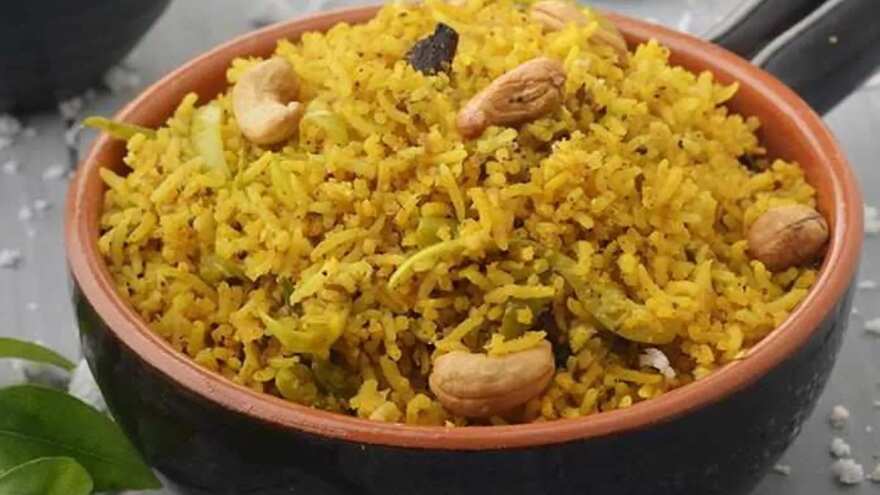
Image Credit: Tendli Bhaat | Tarla Dalal
6. Tendli Bhaat
Tendli Bhaat is a Maharashtrian culinary gem that combines the earthy charm of ivy gourd with the aromatic allure of spiced rice. ivy gourd is sautéed with onions, spices, and curry leaves before being mixed with fragrant cooked rice. This dish captures the essence of Maharashtra's traditional flavours, offering a delightful medley of textures and tastes. Tendli Bhaat is a celebration of simplicity and depth, a true embodiment of Maharashtrian culinary artistry.
7. Kovakkai Theeyal
Kovakkai Theeyal is a signature Kerala dish where ivy gourd, or kovakkai, takes centre stage. Sliced kovakkai is tempered with mustard seeds in oil with shallots and curry leaves. Coconut milk is added along with spices like red chilli, coriander, and fenugreek. The mixture is simmered until the kovakkai is tender. Kovakkai Theeyal is rich, creamy, and mildly spicy, making the most of the subtle flavours of both kovakkai and coconut. It is usually served with rice puttu or appam.
Ivy Gourd's Nutritional Profile
Beyond their ‘not-so’ remarkable taste, ivy gourd dishes offer a treasure trove of health benefits. It is a nutrient-dense vegetable that is low in calories yet high in vitamins, minerals, and antioxidants. Just one cup of tindora per day can provide over 100 percent of your daily vitamin C needs, helping to boost immunity and reduce inflammation. It also contains good amounts of vitamin K, folate, manganese, and copper - all of which are essential for bone health, blood clotting, and energy production. Tindora's fibre content helps promote digestive health and a feeling of fullness. Some research also suggests it may help regulate blood sugar levels, making it a beneficial part of a diabetes-friendly diet. With so many vitamins and minerals packed into its mild flesh, adding tindora to your meals can be a tasty way to improve your health.
We urge you to give this misunderstood vegetable another try, in a different form from your much-disliked version. From the fiery spices of Andhra Pradesh to the aromatic curries of Maharashtra, some of them are sure to entice you to enjoy this nutritious vegetable. It’s journey through various regional cuisines is a testament to its beneficial addition to the Indian kitchen staple. So, let your taste buds take another chance, and give this vegetable another try.




