


 Share
Share

With LPG prices rocketing and the reports of supply disruptions circulating in several regions, many households are becoming increasingly aware of how to use the cooking gas more efficiently. The severe supply chain troubles are caused by ongoing conflicts in West Asia that have affected global energy market fluctuations. In India, LPG cylinders are the primary source of cooking fuel for millions of households, which means even a short-term supply slowdown can create a bigger crisis in everyday life.
Amid all this, families are now paying closer attention to how much gas they utilise while preparing everyday meals. Interestingly, several traditional cooking practices have focused on conserving fuel long before LPG became easily available. Techniques such as soaking grains before cooking, covering utensils with lids, and preparing meals carefully were common methods to reduce fuel usage in older times. These techniques work effectively because they reduce the cooking time and improve the heat retention during the process.
5 Practical Ways To Save LPG Gas At Home
At a time when both energy costs and availability are under scrutiny, embracing thoughtful kitchen habits can help in stretching the life of an LPG gas cylinder longer without compromising the quality of the meals cooked.
Cook With Lids And Steady Flame
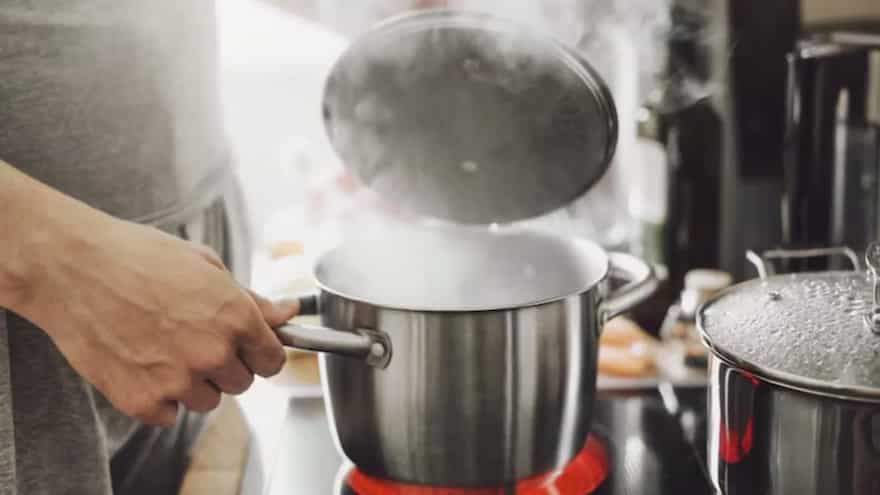
One of the easiest yet most practical ways to save gas is to cook by covering the utensil with a lid. When the pot is covered, steam and heat get trapped within, letting the food cook faster. This also reduces the cooking time. It is also recommended not to use a very high flame, as cooking on a moderate flame guarantees that heat is absorbed efficiently by the food rather than just escaping around the pan. High flames are often also an energy waste. Over time, this small tweak can help in reducing the gas consumption while also maintaining the flavour and texture of the dishes.
(Image credit: Freepik)
Soaking Ingredients Before Cooking
Many Indian staples, such as rice, dal, chickpeas, and beans, need long cooking times. That is why you might have heard from your elders to soak them in water before cooking, which softens them, resulting in less time needed on the gas. For example, soaking lentils for even about 30 minutes can lower their cooking time by several minutes. Similarly, soaking chickpeas or beans such as rajma overnight results in fast cooking. This traditional practice not only saves fuel but also helps in easy digestion. When food cooks faster, the burner stays on for a shorter time, which helps in extending the life of an LPG cylinder.
Use A Pressure Cooker Whenever Feasible
Pressure cookers are one of the most efficient cooking tools in Indian kitchens. By trapping steam and creating pressure, they expand the boiling point of water and cook the food much faster than open pots. Dishes like dals, potatoes, rice, and meats that normally need longer cooking can be made in little time. Many households that depend heavily on pressure cooking often notice that their cylinders last significantly longer than those that cook everything in open utensils.
Match The Burner Size With The Utensil
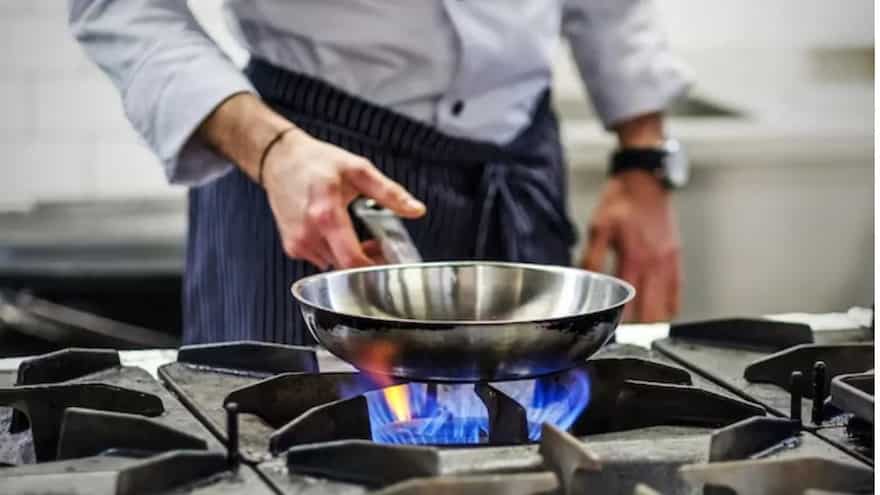
The heat efficiency also depends on how well the utensil fits the burner. If a small pan is placed on a large burner, much of the heat flees around the sides rather than heating the food directly. On the other hand, using a very large pot on a small burner results in slowing down cooking and wasting the fuel as well. Choosing the correct burner for the size of the utensil allows for the transfer of heat more efficiently to the food. This easy adjustment assures that most of the gas that is being burned actually contributes to the cooking rather than getting lost in the surrounding air.
 (Image credit: Freepik)
Keep Burners And Gas Pipes Clean
Kitchen maintenance also plays a crucial role in gas consumption. Dirty burners with blocked holes produce uneven flames, which can slow down the cooking, resulting in fuel wastage. Regular cleaning guarantees that gas burns efficiently and distributes the heat evenly across the pan. Similarly, checking the gas pipe and regulator sometimes helps in preventing minor leaks that may otherwise go unseen. Even a small leak can result in reducing the lifespan of a cylinder.
Foods You Can Make Without Using A Gas Stove
Here are some meal options that you can pick to reduce the gas consumption amid the crisis:
Sprouts And Vegetable Salad
Sprouted lentils, such as moong or chana, are among the healthiest foods that need no cooking at all. Simply soak them overnight before, and once they are sprouted, mix them with some chopped onions, tomatoes, cucumber, lemon juice, and basic spices to make a refreshing salad. This dish is rich in protein, fibre, and vitamins while being light as well as energising. During times when cooking gas needs to be saved, you can have a bowl of sprout salad, which can act as a wholesome breakfast, snack, or even a light dinner.
Dadpe Pohe
Dadpe pohe is a classic Maharashtrian food that needs no cooking, making it particularly useful when trying to conserve LPG. Unlike other poha, the flattened rice is softened using moisture from fresh ingredients rather than heat. Thin poha is mixed with finely chopped onions, grated coconut, green chillies, coriander, lemon juice, some sugar, and salt to taste. The mixture is then gently pressed and covered for a few minutes so that the flavours mix and the poha turns soft naturally. Top it with roasted peanuts, dadpe pohe is refreshing, spicy, and also filling, showing how traditional regional recipes were created to be useful.
Coleslaw Sandwich
A coleslaw sandwich is a simple, refreshing meal that can be made without using the stove. Finely chop some shredded cabbage and grated carrots, and mix them with mayonnaise, a little lemon juice, salt, black pepper and oregano to make a creamy, a bit tangy filling. Some people also add a pinch of sugar or mustard for some extra flavour. Mix this crunch blend between slices of bread. The sandwich is light and satisfying, and the fresh vegetables give essential vitamins, making it a practical no-cook option.
Fruit And Yogurt Bowl
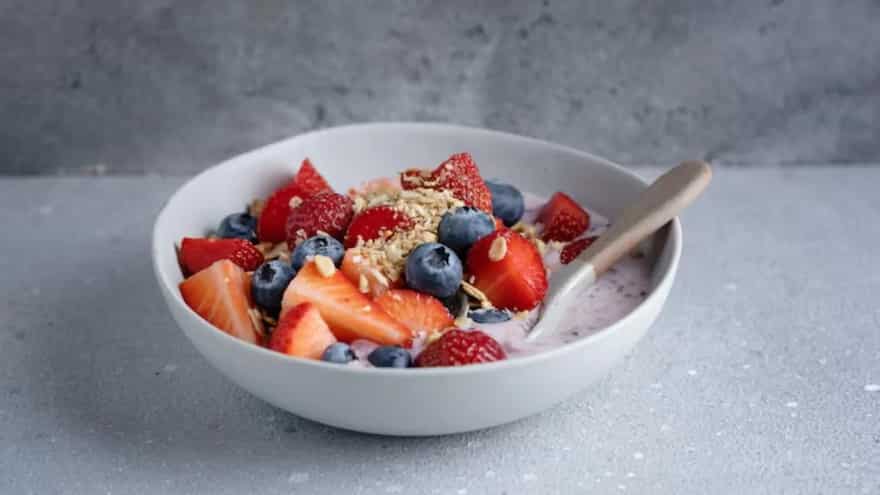
A fruit and yoghurt bowl is another refreshing option that needs no cooking. Get a handful of seasonal fruits such as apples, bananas, papaya, mangoes, or berries, chop them and mix with thick yoghurt. You can also add nuts, seeds, or a drizzle of honey to enhance both flavour and nutrition. This bowl is naturally rich in vitamins, antioxidants, and probiotics. In many households, fruit-yoghurt bowls are an everyday breakfast during the summer season because they give hydration and energy without having to stand in the kitchen.
(Image credit: Freepik)




