


 Share
Share

Selecting the right cooking device for your kitchen is a head scratcher, because it is going to be used all day long, throughout the year. From festive occasions to everyday lunches and dinners, your cooking device must be sturdy, compact, and facilitate cooking multiple dishes simultaneously. Many people these days find themselves confused about investing in an induction versus a gas stove.
Both have been advanced with contemporary technology and easy-to-use features, and both also have unique benefits with some limitations. Whether you're building a new kitchen or revamping the existing one, it is quintessential to know how these stoves vary regarding efficiency, safety, cost, and performance. Here is an article that will help you understand the difference between the two and make an informed decision.

Energy Efficiency and Speed
One of the benefits of an induction stove is that it does not use any kind of fuel; thus, it is an energy efficient choice. Induction cooktops heat the cookware directly using electromagnetic fields, so little energy is lost. Gas stoves, on the other hand, dissipate much of the heat to the ambient air. In the tropical climate of India or tiny kitchens in the apartments, an induction stove can prevent kitchen temperature from soaring high, which makes it difficult to even cook a simple meal. Induction cooktops also heat pots and pans more quickly than gas burners. Boiling water or searing meat can be done faster, and you can save a lot of time on hectic days.
If you don’t have Usha’s Mixer Grinder, Shop Now  .
.
Control and Precision
Numerous cooks prefer gas stoves due to the visual flame control they provide, enabling you to modify heat levels in an instant and intuitively. This is quite helpful for gentle tasks such as simmering sauces or flambéing dishes. Induction stoves have advanced significantly, though, in precision. Most modern models allow fine adjustments in temperature with digital controls, and they maintain a steady heat without fluctuations. You might take some time getting used to the buttons and understanding the various temperatures at which you can cook at your pace, but gradually you will become accustomed and appreciate the efficiency of an induction.
Safety Factors
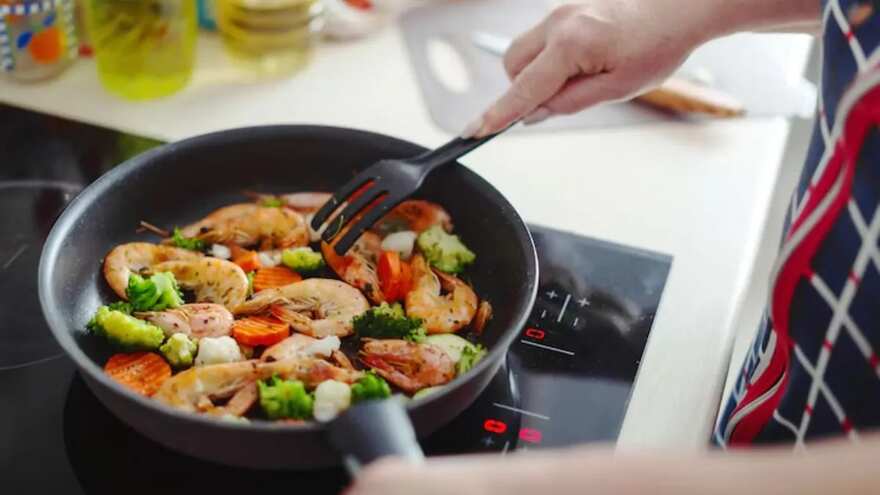
Safety is where induction stoves leave behind the traditional gas stoves. Because they heat the pot itself and not the surface of the cooktop, accidental burns are less likely. Automatic shut-off functions and child lock options are built into many models, which makes them perfect for families with small children. Gas stoves pose risks of gas leaks and open flames, which have to be handled more carefully, and are a great hazard if you have children in the house. Ventilation to avoid carbon monoxide buildup is essential in Indian kitchens.
Cookware Compatibility and Expenses
One of the things to consider with an induction is the use of compatible cookware—cast iron or magnetic stainless steel are the best choices. Non-magnetic cookware such as copper or aluminum won't heat effectively unless they are fitted with a magnetic base. This could translate into purchasing new pots and pans if your existing stock isn't induction-compatible. Gas stoves, however, accommodate any type of cookware, but prolonged use also blackens the surface. As far as initial cost, induction cooktops are generally more costly than gas stoves. But when it comes to savings on energy bills in the long run, they are more efficient.
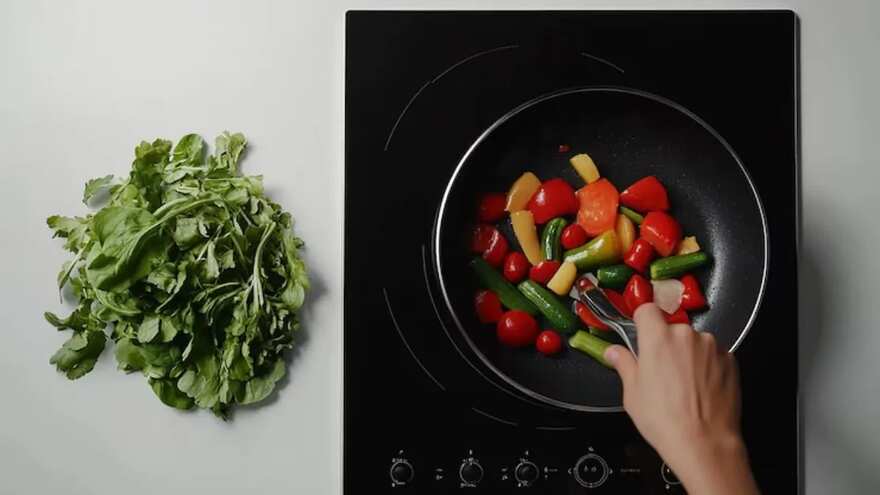
Induction stoves are normally easier to clean. The smooth, flat surface is easy to wipe down, and because the cooktop doesn't heat up very high, spilled food is unlikely to burn onto it. Gas stoves, with their grates and burners, can be more difficult to clean and take more elbow grease to keep grease and grime from building up. If cleaning ease is an issue, induction cooktops are a clear win. Conclusion
But if you like the classic cooking experience with the eye contact of a fire and more flexibility in cookware, a gas stove would be the better choice for you. The best stove is merely one that suits your lifestyle and makes you happy in the kitchen.




