


 Share
Share

Local ingredients and bold flavours are central to Portuguese cuisine, which one can taste in the traditional Portuguese dishes. Whether you prefer the salty punch of bacalhau, the sweet custardy kick of pastel de nata, or the pungent combination of paprika, garlic, and bay leaves that serves as the foundation for many local recipes. And one such culinary topic that needs to be put in the spotlight is bacalhau and what it is, and how it came to be. Bacalhau is Portuguese, meaning dry, salted fish which started off as a method of preservation but quickly became an integral part of the local cuisine, which also can be felt in Goa, India where the Portuguese influences shine the most.
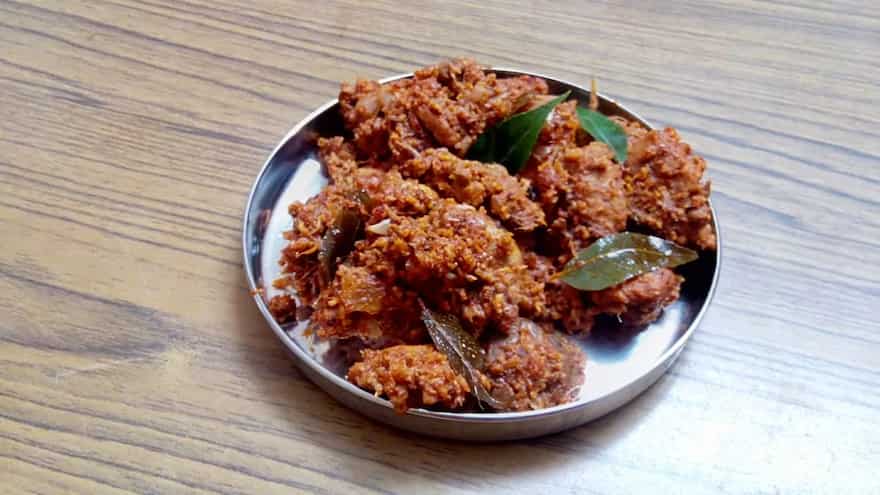
Image Credit: Wikimedia Commons
Goan Traditions Of Dried Fish
The tradition of drying fish to preserve it through adverse weather or off-seasons is one commonly followed in India as well. The Portuguese influence in Goa, prevalent for over four centuries has left a lasting impression on its culinary map, especially seafood. Each fish from the waters here represent and narrate the Arabian Sea's bounty and among it, is the method and techniques of drying fish and consuming it on a daily basis. As the summers hit the shores, each kitchen in Goa has an affair with dried fish that is cooked, be it a curry or a fried meal. When they dry the fish, they lay it out on mats or in a row on the street. For example, kismur or dried prawn is prepared as a part of a salad with coconut and it’s more of a stir-fry of sorts.
While bangdyache sukka or dried mackerel is a spicy, tangy and coconut-infused dish where mackerel has been soaked in chillies, turmeric and tamarind for 1-2 hours, echoing the similar bacalhau cooking from Portugal. Another interesting dried fish delicacy from the community is para pickle where salted mackerel is soaked in vinegar along with all the coastal spices and preserved in jars until the monsoons arrive. In Portuguese cuisine as well, bacalhau might not be turned into a pickle but is soaked in vinegar and olive oil as a side dish to main courses. Using vinegar for many Goan dishes is a hallmark of Portuguese influence in the region, right around the time bacalhau was slowly rising to popularity.
Tracing The Portuguese Roots Of Bacalhau
Historically, bacalhau was a mainstay in Spain, Portugal and Italy, predominantly Catholic countries, during Lent, when meat was deemed taboo. Although the recipes have changed and evolved, bacalhau may still be found on the dinner tables of Portuguese, Spanish, and Italian families in all of its glory today.
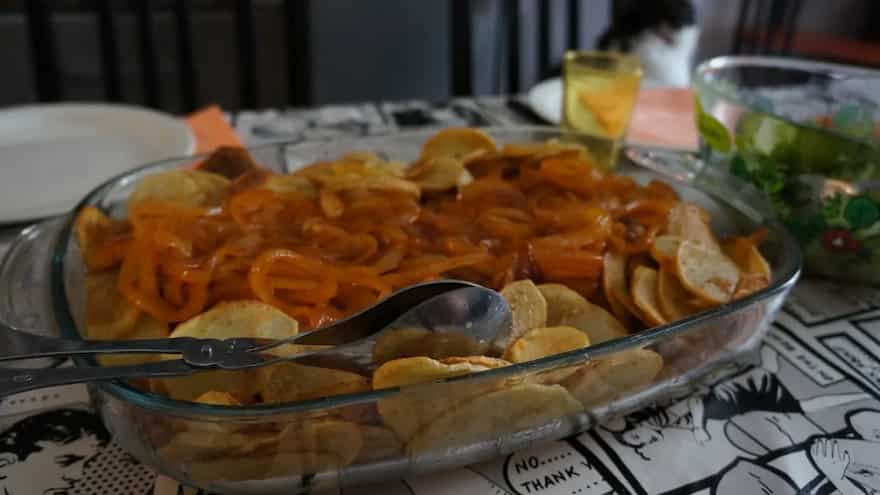
Image Credit: Flickr
This classic Portuguese dish gained popularity during the Age of Discovery in the 15th and 16th centuries, when Portuguese sailors sought a technique to preserve fish for long voyages, and salt cod proved to be an excellent answer. The fish was captured in the chilly seas of the North Atlantic, primarily off the coast of Norway, and then salted and dried on board the ships. This enabled the fish to be preserved for months without deteriorating, making it an important source of food for the sailors. Although the fiercely independent Basques of northern Spain, known as Pais Vasco, claim to have been the first to cure cod, the Vikings travelled to Newfoundland in the 12th century and were said to have hung it in the harsh winter air until it lost four-fifths of its weight, becoming as durable as plywood.
The Craft Of Fish Preservation In Portuguese Cuisine
The obvious absence of refrigeration during this period necessitated the drying and salting of meat and fish, but this process was also an ancient method of conserving nutrients in codfish, and so making it more appealing. Despite its strong flavour, a significant number of Portuguese people appreciate this traditional dish, which may be prepared in 1,001 different ways! It can be boiled, fried, stewed, grilled, roasted, ground into meatballs, or mashed into pulp!
Although most people believe that bacalhau is a sort of fish, this is not entirely accurate. Following a salting and drying process, three separate species, Gadus morhua, Gadus macrocephalus, and Gadus ogac, are referred to as bacalhau. Pollachius virens (Saithe), Ophiodon elongatus (Ling), and Brosmius brosme (Zarbo) are also processed but not sold as authentic bacalhau. These fish species live in cold, saline waters, particularly in the Atlantic Ocean's glacial regions. After being captured, the fish is cleaned, salted, and cured for a duration ranging from one month to a year. Following these steps, the surplus salt is removed, and the cod is dried. Following a brief desalination and rehydration procedure, the product is now ready for use in the preparation of a variety of traditional Portuguese recipes.
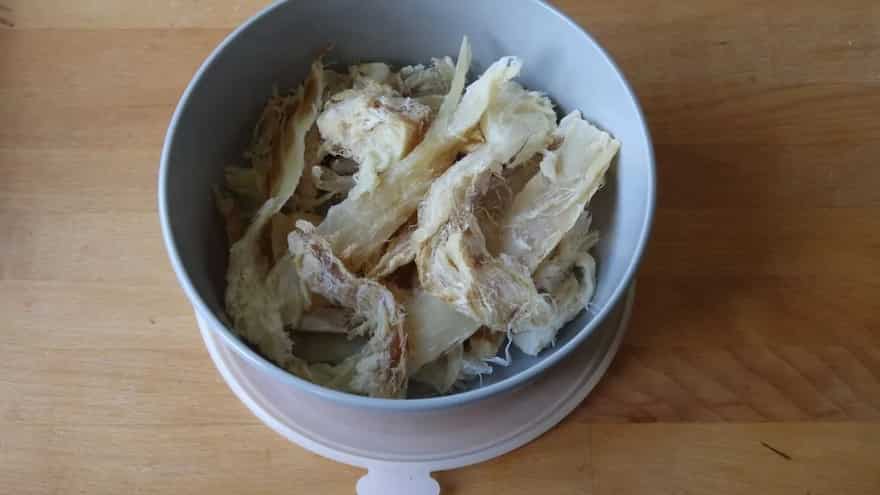
Image Credit: Wikimedia Commons
The Portuguese sailors embarked on lengthy journeys to Canada (the Newfoundland area) and Greenland, spending approximately six months at sea. The salting process was carried out in the hold of the ships to prevent the fish from deteriorating. The subsequent drying was done in the open air, using wind and sunlight. The Portuguese dominated cod fishing until around the 16th century, when other countries, most notably England, gained popularity and a stranglehold on the activity.
Rooted In Land, Sea & Centuries Of Tradition
However, the advent of Portugal's Estado Novo (New State) in 1933 resulted in a food shortage catastrophe. Faced with this scenario, the Portuguese launched a state drive to return to the sea, securing nearly all of the cod for domestic consumption. With the end of Salazarism, imports were liberated, and cod fishing by the Portuguese decreased drastically. Today, most of the codfish consumed in the world comes from Russian, Norwegian, and Icelandic fisheries. There are numerous historical, cultural, social, and geographical reasons why the Portuguese eat the way they do. But, regardless of how you look at it, we assure you that the variety of flavours you will encounter while travelling around Portugal will be delightful! In Portugal, codfish is consumed in a variety of ways. The truth is that in Portugal, you can eat one codfish meal per day for a year without repeating the recipe. Such diversity! Among the main recipes prepared with cod, here are a few interesting ones to know about:
5 Traditional Bacalhau Dishes That Make Up A Portuguese Cuisine
Bacalhau à Brás
The dish dates back to the late 19th century and it was created in a tasca (a small eatery that serves inexpensive, high-quality food) in Bairro Alto, Lisbon. Apparently, the dish was devised to help limit food waste. It would be deboned, peeled, and the less meaty portions of the fish would be shredded and prepare the fish with potatoes and eggs, resulting in a low-cost supper that could feed a large group. One of the main elements of bacalhau à bras is, of course, salted cod. Cod is soaked in a saltwater mixture before being dried to preserve it for long periods of time. This method of preservation allows the cod to be stored unrefrigerated for an extended period of time, making it a convenient and excellent ingredient in a variety of cuisines.
Bacalhau à Gomes de Sá
Gomes de Sá, the son of a 19th-century cod dealer, is said to have created this simple yet tasty Portuguese dish while working at Restaurante Lisbonense in downtown Porto. This dish is unique in that you spend most of your time preparing everything before assembling it; baking the dish is simple. The cod is shredded into small pieces and softened in boiling milk for an hour and a half to three hours before being cooked in olive oil, garlic, and onion until velvety and that is the secret to the original Gomes de Sá recipe.
Bacalhau à Lagareiro
It comprises roasted salt fish that has been generously coated in olive oil and is typically served with potatoes, onions, and garlic. It is one of the most well-known methods of making the famed bacalhau. What is the meaning of “à lagareiro" you might wonder, and it simply means olive oil presser or mill type and the most well-known story behind the name is that it was created by mill workers using olive oil pressed from the early harvests in October. This story ties the invention of bacalhau à lagareiro to the sub-regions of Beira Baixa and Beira Alta since their climate was favourable to the production of olives.
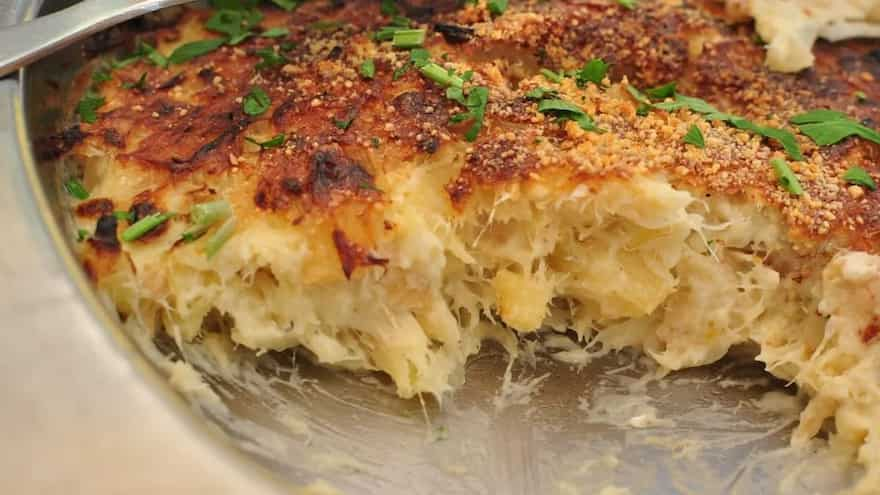
Image Credit: Flickr
Bacalhau com Natas
Many describe this traditional dish as the pinnacle of Portuguese comfort cuisine. Basically, tender flakes of poached cod are baked with a creamy nutmeg-based béchamel sauce, crunchy potatoes, sweet caramelised onions, and mozzarella. It can be found on family tables and restaurant menus around the country, and it is often served on special occasions. Its popularity arises from the way it elevates a plain preserved fish into something tremendously satisfying and worthy of celebration. The combination of tender cod, creamy cream, and soft potato results in a dish that is both substantial and fulfilling. Each forkful conveys both the savoury essence of the sea and the warmth of home cooking.
Arroz de Bacalhau
Arroz de bacalhau is a delightful creamy rice dish with salted cod fish, luscious tomatoes, olive oil, and fresh herbs. While the exact origin of this meal is unknown, many assume it began as a method to use the less noble parts of the cod and its leftovers. There's no better way to recycle leftovers than to make tasty rice, right? Typically, it comprises salt cod, short grain rice, tomatoes, onions, and peppers, but in some parts of the country, other vegetables such as peas, cauliflower, and peppers are added too, for an economical and nourishing meal that’s packed with flavour!




