


 Share
Share

A tiny baked tart called Pastel de Nata with its puff pastry base, silky filling, and distinctive burnt patches on top is a familiar favourite across oceans. Pastéis de Nata (by its true moniker) can be found in many forms all over the world in areas where Portuguese colonies took root. Today, the delicacy is only found in a few bakeries in Goa, but while it may not be a common sight, its legacy and popularity still stand strong.
The pastry is defined by its sweet custard, softly sprinkled with icing sugar and cinnamon, and enveloped by flaky buttery pastry to create the ideal bite. If you’ve ever had a taste of a custard tart, you know what the fuss is about.
History Of Pastel De Nata
Also called Portuguese custard tart, the existence of the pastel de nata can be traced back over 300 years. The sweet treat has religious roots. Catholic nuns and monks at the Jerónimos Monastery in Belém, west of Lisbon, used egg whites to starch their clothes as laundry detergent wasn’t available. This resulted in a lot of egg yolks to spare, which were used to make desserts to avoid waste. So, how did Pastel de Nata become such a rare delicacy and reach Goa?
The monastery’s monks mastered a secret recipe for perfect custard tarts. They then sold the tarts to generate income to support the monastery. The monastery shut down in 1834, and the recipe was sold to the proprietors of the Fábrica de Pastéis de Belém. Fábrica de Pastéis de Belém is a bakery-café that opened in 1837 and is Lisbon’s most well-known place for custard tarts. The recipe is still a closely guarded secret even today, and the tarts made and sold at this bakery in Belém are called Pastéis de Belém.
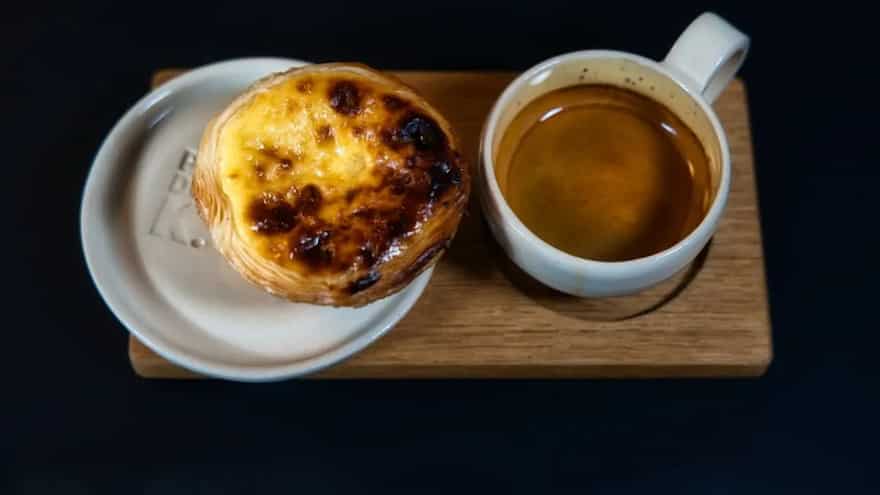
Image Credit: Pexels
The company is still owned by the descendants. Every time, others attempted to mimic them but were unsuccessful. Nevertheless, they proceeded to sell them. All others are called Pastéis de Nata, while the original ones are still known as Pastéis de Belém. Nowadays, the pastéis are produced all over Portugal and can be found in almost every café and restaurant. Everyone in Goa immediately thinks of this moniker when they hear the term "custard tarts."
Pastel De Nata And Its Global Variations
The Goan version of these tarts are lighter than those at Belem and keep well for a few hours when consumed hot with bica, Portuguese espresso. Nata pastries must be consumed fresh, ideally right out of the oven. This may explain why the Portuguese developed regional variations of Pastel de Nata in each of the nations they colonised. The Portuguese tart is available in Hong Kong, Macau, Brazil, China, Japan, India and even Toronto and New York. All dating back to the late 18th and early 19th century when Portugal’s colonisation was at its peak.
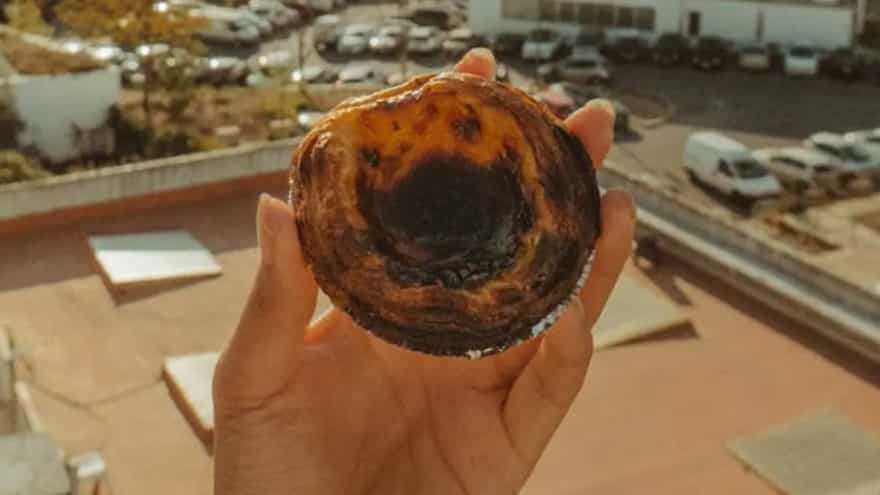
Image Credit: Pexels
Teahouse menus in Hong Kong and Macau have included custard tarts for decades. Egg Tart first came to Macau with the Portuguese. However, the tarts continued to travel into the mainland long after they departed. Here, the natives altered it to use regional and local ingredients. The flaky pastry was transformed into short-crust pastry by using more eggs and substituting expensive butter with lard. In short, while the name remained the same, the character changed almost entirely.
The fact that they are still known as Portuguese custard tarts in the majority of Asia and the world is another issue. Strangely, the nata never settled in India, even though it was a Portuguese colony. Many Portuguese desserts can be found locally in Goa, the largest Portuguese colony in India, but the custard tart is very little known.
A Custard Tart That Speaks Of Goa’s Identity
Unbelievably, 10 of the top 50 restaurants are located in Goa. Goa has become irredeemably trendy. In Goa, the level of cosmopolitanism is nothing new. It's always been a fascinating place for food because its connection to the larger Portuguese colonial world gave it access to different flora and fauna. Goa has a wonderful baking tradition, so anything that increases the availability of items like pastéis de nata is beneficial.
However, it's important to consider that the early growth of sugar plantations on the mid-Atlantic island colonies and later in Brazil, the custom of convents operating bakeries, the use of egg whites to clarify port, which resulted in an abundance of yolks, and the almond orchards left by the Muslims all had an impact on the Portuguese sweets.
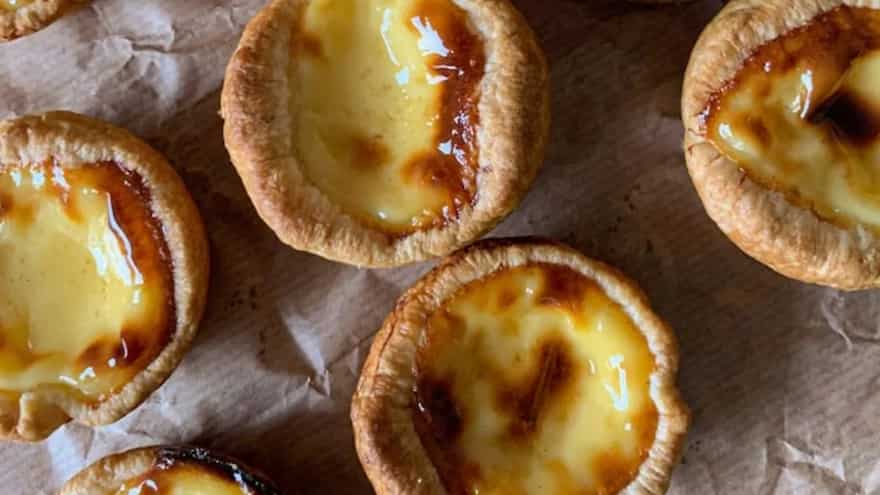
Image Credit: Pexels
Goa was closely linked to the larger Lusophone world, from Lisbon to Brazil and the Atlantic islands, as it served as the capital of Portugal's Asian empire for more than 450 years. Along these colonial pathways, convent-style sweets, baking methods, and ingredients made their way to Goan kitchens. Portuguese culinary customs in Goa developed into intricate emblems of identity; many of these dishes were subtly assimilated into local culture rather than openly honoured after independence. A revived faith in Goa's mixed history is indicated by the resurgence of desserts like Pastel de Nata.
It took a whole generation of mending and rekindled self-confidence for these kinds of Portuguese sweets to be enjoyed in public until very recently. Making and distributing pastéis de nata is a straightforward declaration of who you are and has nothing to do with nostalgia. One simply thinks it's important to embrace every aspect of your rich past. That's what makes Pastel De Nata so unique when you want to try authentic Portuguese delicacies in Goa.
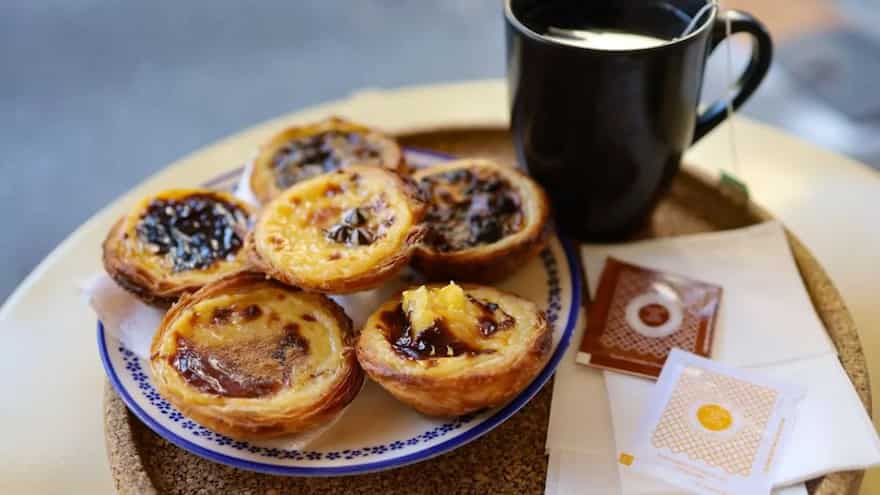
Image Credit: Pexels
The delicious egg and custard interior of this Portuguese pie pastry is nicely counterbalanced by the puff pastry exterior, which is cooked to a crisp brown and delicately dusted with cinnamon powder. It's interesting to note that the custard filling differs greatly from the classic French or British custard filling. Instead of the traditional sweet custard, this dessert is spiced with cinnamon and lemon zest, which makes it all the more precious.




