


 Share
Share

The pain of the scorching heat becomes bearable only because of the assortment of fresh fruits that are available during the season. These fruits are one of the reasons why many of us wait for summer with bated breath. You have your juicy and sweet mangoes, fresh lychees, watermelons, grapes, and so much more; it’s hard to list all of them all. But summer has its bounty of many other fruits too, humbler than the mango on the taste buds, maybe, but bringing with it much joy and fulfilment, nonetheless, which get sidelined in all the hoopla around their more glamorous counterpart. Some are as simple as you want them to be, and some are lesser-known summer fruits that are exotic. If you’re curious about these fruits, here are a few options for you:
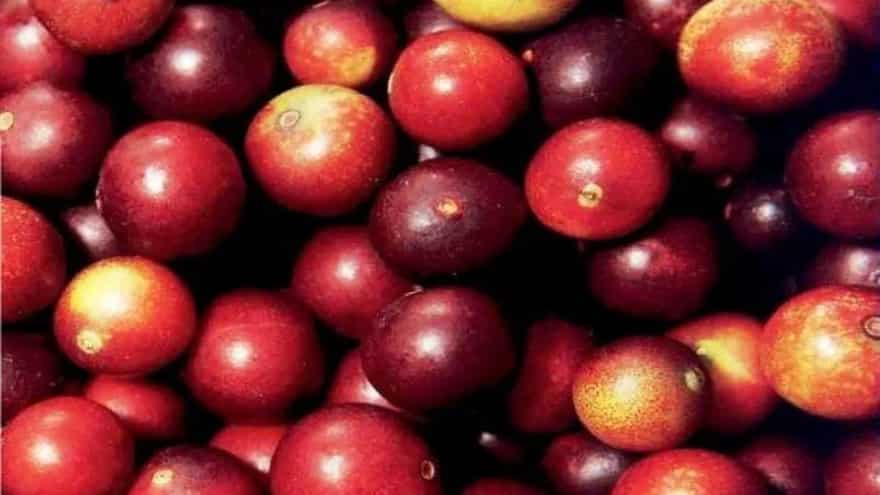
Image Credit: Wikimedia Commons
Camu Camu
This nutrient-rich fruit, known as camu camu, resembles the cherry in both colour and shape. According to a journal published on the National Institute Of Biotechnology Information website from January 2025, it mentions that since camu camu is a rich source of vitamin C, it aids in strengthening the immune system and the production of collagen, which is essential for strong, healthy skin, muscles, and bones. This exotic fruit contains potent antioxidants, which can help to reduce inflammation in the body.
Falsa
Also known as Indian sherbet berry, the falsa is a tiny berry that is deep red in colour. The fruit was initially found in Varanasi but has now traversed borders. The sherbet made by mixing falsa juice with sugar is an excellent summer cooler. Ripe falsas have a dark purple outer covering and slightly lighter coloured flesh. Their taste has been likened to grapes. Falsas have a high water content and are rich in vitamin C. They can be effective in treating anaemia and joint pain. Fruit vendors sell falsa with chaat masala, which makes a tasty snack when eaten together.
Tadgola Or Ice Apple
Commonly called ice apples, tadgolas are made up of translucent flesh encased in a hard shell. The flesh of tadgolas is similar to lychees in appearance and oozes a sweet juice that tastes like coconut. It is believed that the British called the tadgola ice apple for its cooling properties. Different states have given the fruit different names: Tamil Nadu calls it nungu, and West Bengal calls it taal. Tadgolas can easily be found at street stalls across the country and are also used to make puddings. They make great summer food as they are rich in potassium and vitamins A and B.
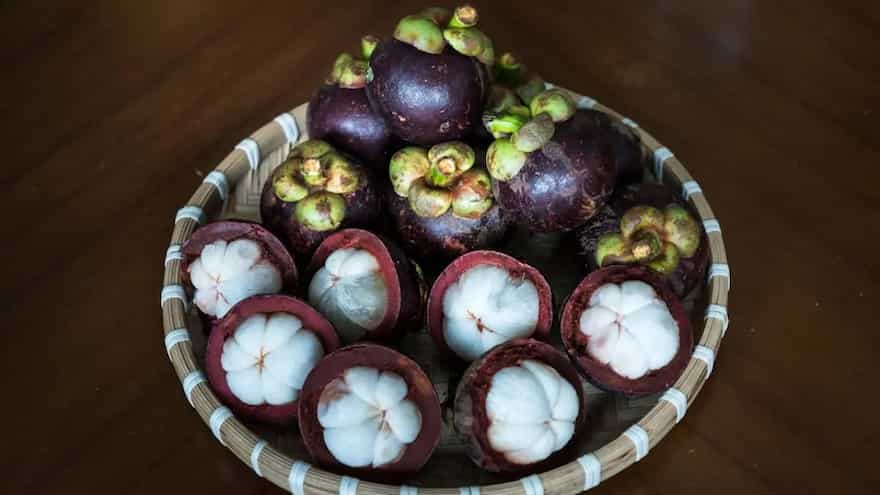
Image Credit: Pexels
Mangosteen
Mangosteen is commonly referred to as the "queen of tropical fruits" because of its distinctive flavour and appearance. All the important components needed for bodily growth, development, and general nutritional health are present in mangosteen. This exotic fruit is a good source of vitamin C, a powerful antioxidant with potential anticancer properties.
Kiwano
Kiwano, also known as African cucumber or horned melon, has an odd appearance and is even more confusing on the inside. Numerous strong antioxidants found in kiwano can protect cells from damage brought on by free radicals. According to a journal published in the International Journal of Biological Innovations from January 2019, the fruit aids in the prevention of chronic diseases. Due to its high iron content, this exotic fruit aids in the synthesis of red blood cells.
Khirni
The fruit of the khirni tree is small, round, and green when unripe, and turns yellow or orange when it is fully ripe. The fruit has a sweet, juicy, and slightly tart flavour and is often used to make jams, jellies, and desserts. Khirni fruit is also believed to have various medicinal properties and is used in Ayurvedic medicine for treating a variety of health conditions, including diarrhoea, dysentery, and constipation. The origin of khirni is not exactly clear, but it is believed to be native to South Asia, particularly in India and Pakistan. As a tropical fruit, it is likely that khirni was brought to India from other countries in the region, such as Southeast Asia or the Middle East. Over time, it was widely cultivated in India, and its fruit became an important part of the local cuisine. Today, khirni trees can be found in many parts of India, and the fruit is enjoyed by people across the country.
Custard Apple
The custard apple, also known as "sitaphal" in India, is a fruit that resembles hearts and has prickly green skin. The flesh inside is white and creamy, with a flavour reminiscent of vanilla and pears that is sweet and fragrant. The pleasure of tasting the creamy richness makes the effort of removing the seeds worthwhile, even if the flesh contains seeds that are not usually eaten. Custard apples are eaten as a fresh dessert and are also occasionally included with milkshakes and ice cream.
Lotka Or Bittersweet Grapefruit
This fruit is also known as Longsat, Longjon and Longconk, etc., and is found in places like India, Sri Lanka, Myanmar, Cambodia, and Hawaii. Bittersweet Grapefruit has a sour-sweet taste. It is light yellow with small thorns on the peel. This fruit is also used to make syrup and is quite juicy, like lychee. Talking about home remedies, the bark of the lotka tree is used to cure diarrhoea, etc.
Soihang
You have all the reasons to love these unique purplish-black berries from Meghalaya. A native of the temperate terrains of Khasi and Jaintia Hills, these juicy, fleshy berries are loved for their mildly sweet, tangy and acidic taste. The fruit includes essential nutrients and also comes loaded with health benefits. Its scientific name is Prunus nepalensis. Thanks to their incredible colour and lip-smacking taste, freshly picked berries from the orchards are used for making jams.
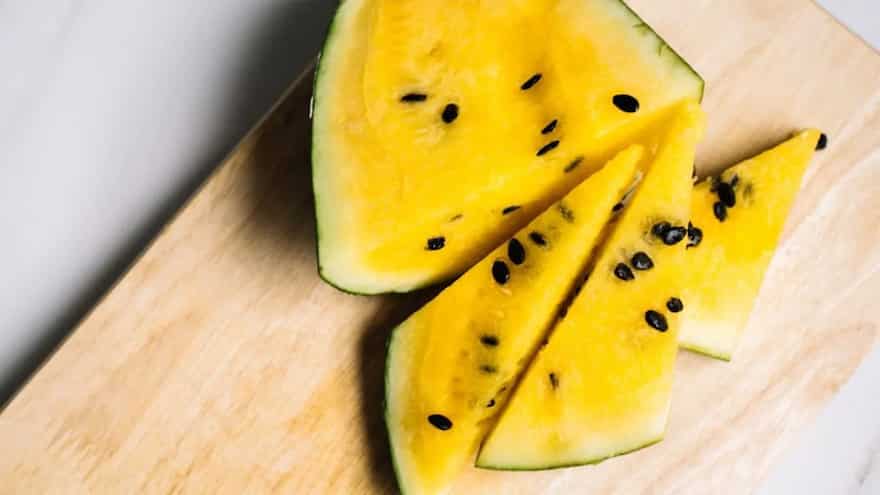
Image Credit: Pexels
Yellow Watermelon
Yellow watermelon is a type of watermelon that has bright yellow flesh instead of the more commonly known red or pink flesh. The yellow flesh is often described as having a sweeter and more honey-like flavour than traditional watermelon. It also tends to have a milder and less juicy taste, with a firmer texture that is less watery than red watermelons. Yellow watermelon is a relatively new addition to the watermelon family and is believed to have originated in Africa. It is now grown in many regions around the world, including the United States, Europe, and Asia. In the United States, yellow watermelon is primarily grown in the southern states, such as Georgia and Florida, where the warm and humid climate is ideal for growing the fruit.




