


 Share
Share

Summer has a huge impact on how food behaves inside the kitchen. Due to high temperatures and humidity, bacteria tend to multiply rapidly, particularly in cooked rice, curries, dairy products, seafood, and cut fruits. In many households, leftovers remain outside for too long, refrigerators are filled with seasonal produce, and dishes are reheated multiple times throughout the day. While these habits work fine during cooler months, the risk of contamination, food spoilage, and poisoning during summer is higher.
Recently, the Food Safety and Standards Authority of India (FSSAI) shared some storage recommendations that can help handle food more safely during hot weather. The suggestions focus on proper refrigeration, separation of raw and cooked food, egg storage, and temperature to keep during summers. Along with these recommendations, here are a few everyday kitchen habits that will reduce food spoilage during the summer months.
FSSAI’s Summer Food Storage Suggestions
1. Separate Raw Meat, Poultry, And Seafood From Other Foods
One of the key recommendations shared by FSSAI is to keep raw meat, poultry, and seafood away from other food items inside the refrigerator. Raw meat can release juices, which carry harmful bacteria, contaminating other cooked vegetables, leftovers, desserts, fruits, or dairy products if they are not stored properly. When you seal raw items properly and store them separately, there is a reduced risk of cross-contamination, which is important, especially during the summer when bacteria multiply much faster.
(Image Credit: Unsplash)
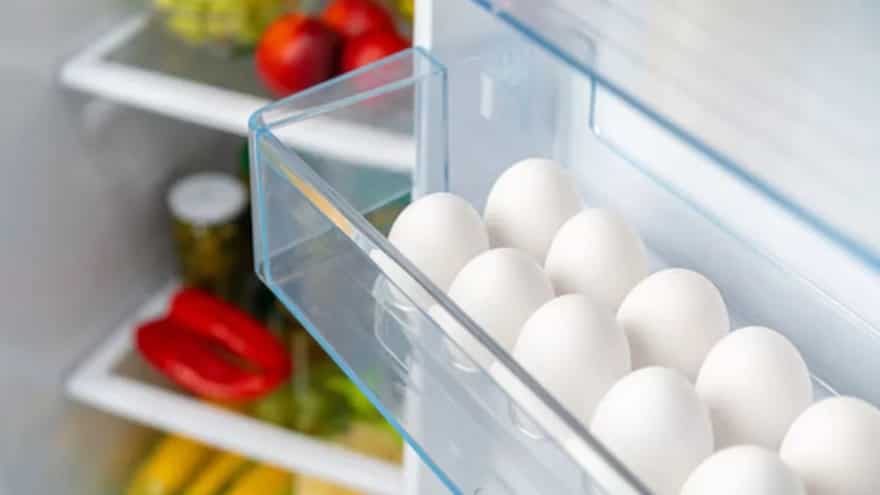
2. Keep Eggs Refrigerated And Avoid Undercooked Eggs
FSSAI also advised storing eggs inside the refrigerator during hot weather and avoiding raw or undercooked eggs. Eggs are sensitive to temperature fluctuations, and they can spoil faster during summer when you keep them outside for long periods. Refrigeration helps in maintaining freshness and also lowers the chances of bacterial growth. Additionally, proper cooking of eggs is also important during summer, because partially cooked eggs carry food safety risks, especially in high temperatures.
3. Keep Refrigerator Temperature Below 5 Degrees Celsius
According to FSSAI, refrigerators should ideally remain below 5 degrees Celsius during summer to slow the growth of harmful bacteria. Many households unknowingly reduce cooling efficiency by opening the fridge repeatedly, overcrowding shelves, or placing steaming hot food directly inside. Maintaining proper cooling is especially important during heatwaves because even slight temperature increases inside the fridge can affect food safety significantly.
(Image Credit: Pexels)
Additional Summer Storage Rules To Follow At Home
1. Refrigerate Leftovers Quickly
Rice, curries, paneer dishes, seafood, and milk sweets spoil much faster during summer if left outside for too long. Ideally, leftovers should be refrigerated within two hours, and even sooner during extremely hot weather. Large vessels of food also cool slowly, which gives bacteria more time to grow.
2. Avoid Overcrowding The Refrigerator
During Indian summers, refrigerators often become packed with water bottles, fruits, desserts, leftovers, and cooling drinks. However, overcrowding blocks proper air circulation and creates uneven cooling. Some foods remain cold while others stay warmer than they should, which increases spoilage risk.
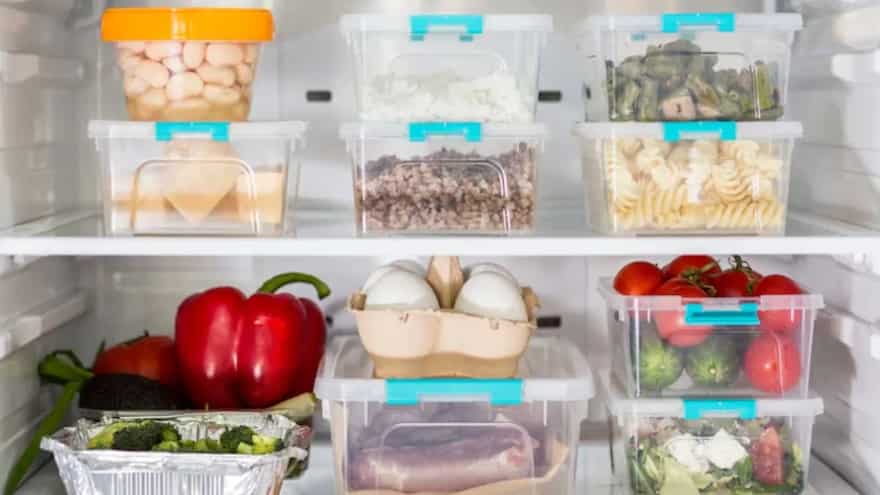
3. Store Food In Airtight Containers
Open bowls loosely covered with plates may not provide enough protection during the summer. When you use airtight containers, they help to preserve freshness, reduce odour mixing, and prevent exposure to excess moisture and bacteria.
4. Dry Fruits And Vegetables Before Refrigerating
Many leafy greens and herbs spoil quickly because they are stored while still wet after washing. Excess moisture encourages fungal growth and rotting during humid weather. It is important to dry produce properly before storage, as this will help extend the freshness of the fruits and vegetables.
(Image Credit: Freepik)
5. Avoid Reheating Food Multiple Times
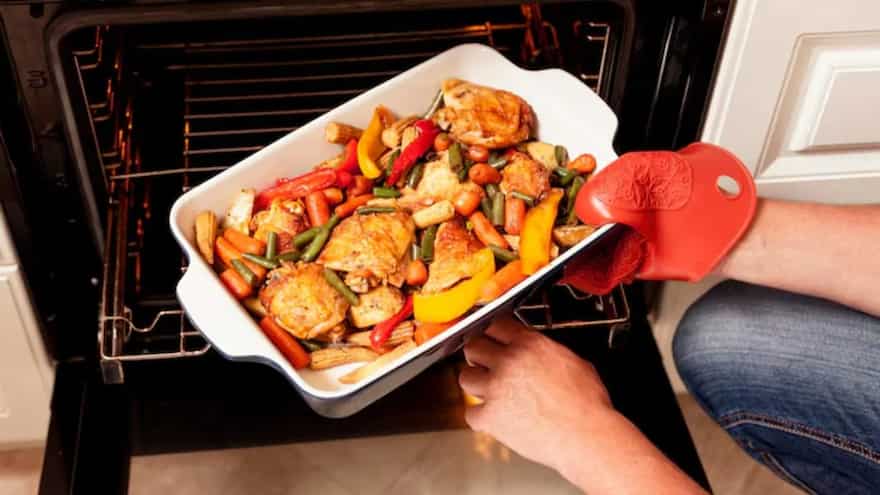
When you reheat food repeatedly, the food quality weakens, and there are more chances of spoilage during summer. Instead of reheating large quantities throughout the day, it is important to remove and heat only the portion that will be used for one meal.
To maintain good food quality during summer, you need not make major changes in your kitchen. If you have a properly organised refrigerator, quicker refrigeration of leftovers, safer handling of raw ingredients, and better storage methods, you can easily prevent food spoilage during the hottest months of the year. As temperatures continue rising across many parts of India, follow these simple rules to reduce waste and also protect yourself from common summer stomach infections and food poisoning.




