


 Share
Share

The summer season is when food habits demand a little more attention than usual. The rise in temperatures makes the perfect environment for bacterial growth, particularly in cooked food, dairy, or anything that is left out in the open for too long. In simple words, food poisoning is nothing but an acute digestive infection that is caused by consuming contaminated food or water that has bacteria, viruses, or parasites. Food poisoning during the summer season is very common due to improper storage, reheating practices, or eating food that has gone bad without you realising the signs.
Another reason of food posing cases increasing in summer is dehydration and reduced immunity. When the body is already managing with intense heat, even minor contamination can lead to more potent reactions like stomach infections, nausea, or fatigue. Street food, leftovers, and packaged items, therefore, should be avoided as far as possible during this time.
You do not need extreme changes for this to avoid food poisoning, just a sharper eye and a few conscious habits. Knowing what to check for, how to store, and when not to discard the food can make your everyday meals much safer.
Check Freshness Apart From Just Expiry Dates
Expiry dates do not always show real-time freshness, particularly in summer. Heat exposure during transportation or storage can spoil the food before the date printed on the package. Always smell, check colour, and texture before buying. Milk tasting a bit sour, batter appearing to be too frothy, or cut fruits parching out too soon can be warning signs.
Packaged foods such as paneer or curd should feel cold upon touching while buying. If they feel even a bit warm, chances are refrigeration may have been compromised.
Pro tip: Treat dairy and cooked food as the same-day items in the peak summer season. Buy in small quantities and use it quickly.
Be Careful With Leftovers And Reheating
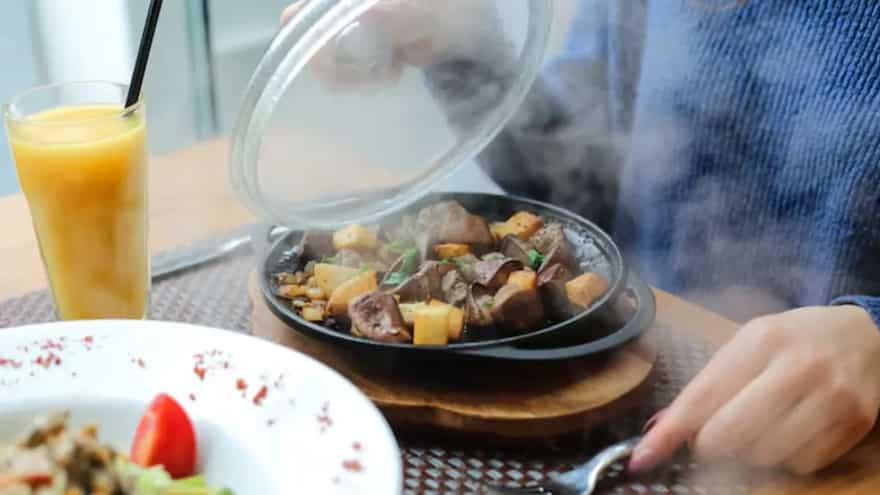
Leftovers can turn risky faster than anticipated in hot weather. Food left at room temperature for more than 1 or 2 hours can create bacterial growth, even if it appears fine later. Reheating might make it hot again, but it does not always eradicate toxins that have already been formed.
Store leftovers in airtight containers so they cool fast and evenly when kept in the refrigerator. Avoid reheating the same dish many times, as it reduces safety with each cycle.
Pro tip: If you are not sure whether something is still good to have, it is safer to throw it away than to reheat and risk your health.
(Image credit: Freepik)
Handle Water And Raw Ingredients Carefully
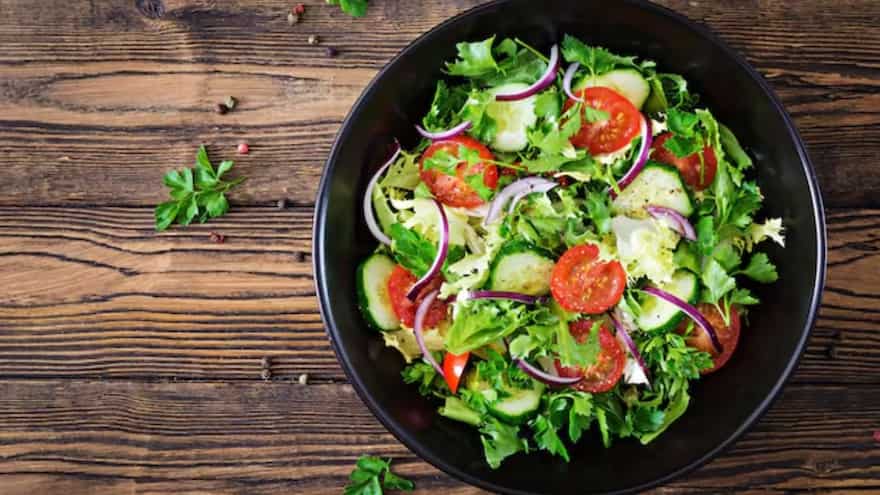
The quality of water plays a bigger role in the summer season than you can realise. Unfiltered or contaminated water, if used in chutneys, drinks, or even when washing vegetables, can introduce bacteria. Raw foods such as salads, herbs, and fruits also demand a little extra attention than usual.
Wash the vegetables and fruits thoroughly and avoid having pre-cut fruits sold from the street sides, as they get spoiled quickly in the heat.
Pro tip: Soak the vegetables in clean water with a pinch of salt or vinegar before using for better hygiene and no risk factor.
Watch Out For High-Risk Foods In Heat
Certain foods tend to spoil much faster than others, like dairy, seafood, meat, cooked rice, and fermented batters, which are extremely sensitive to heat. These items can carry bacteria like Salmonella or E. coli if not stored properly.
Rice, for example, can generate harmful bacteria if left out for too long after cooking. Likewise, street-side chutneys or sauces that are kept uncovered for too long can become unsafe to consume.
Pro tip: Avoid dishes that have raw toppings or uncooked garnishes when you are eating outside in the peak summer season.
Eat Fresh And Keep It Simple
In summer, the simpler the meals, the safer it is to have. Freshly cooked food has a lower risk compared to dishes that are stored for too long. Heavy gravies, creamy dishes, and buffet-style spreads tend to get spoiled a bit faster. Eating outdoors during peak summer heat is a big no. As chances are that it has been cooked hours back, and is just getting reheated.
Go for meals that are cooked and eaten within a short period of time. Even traditional learning supports this, that light, freshly prepared foods get digested more comfortably and are less likely to cause an illness.
Pro tip: When in doubt, go for freshly cooked over the pre-prepared, and your stomach will thank you later.
(Image credit: Freepik)




