


 Share
Share

The Food Safety and Standards Authority of India (FSSAI) has announced a nationwide enforcement drive on milk and milk products such as paneer and khoya following various intelligence reports suggesting adulteration and misbranding of dairy products. The directive, which has been issued under section 16 (5) of the Food Safety and Standards Act, 2006 empowers the regulatory body to resort to urgent measures preventing any negative impact to consumer health. Reports received suggested that illegal, unlicensed entities are involved in the manufacture and sale of analogue and adulterated milk-based items which directly violates the regulations of the act.
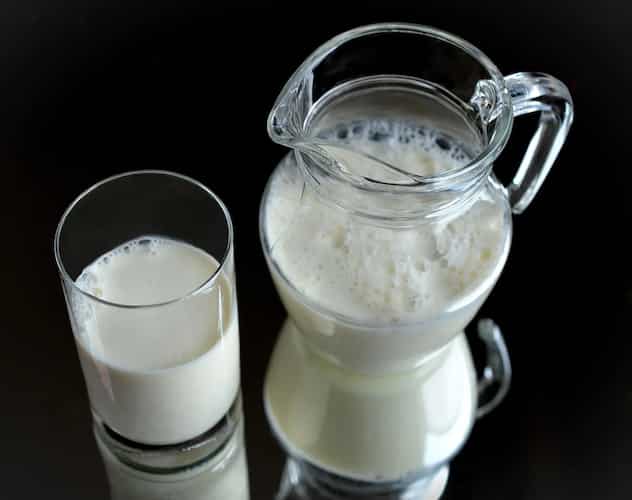
Image Credits: Pixabay
As part of the special drive, officials have been authorised to conduct intensive inspection of production units, draw samples, verify Food Business Operators (FBOs) registrations, storage and sale of such products, covering licensed or registered food business operators as well as unlicensed entities. “The Special Enforcement Drive against adulteration and misbranding of milk and milk products, including paneer and khoya, has been launched following multiple reports of unsafe, illegally manufactured dairy products posing serious public health risks,” official sources said. Similar drives were also conducted in the months of September-October this year when the country witnessed a spike in demand for these foods. Tests will be conducted in accordance with prescribed procedures in order to prevent food fraud, instill and reinforce consumer confidence and ensure the availability of safe milk and milk products.
Also Read:
States have also been instructed to share real-time reports on the FOSCOS (Food Safety Compliance System) as well as submit enforcement reports every fortnight along with strengthening inter-state co-ordination to curb the access or sale of adulterated milk products. Commissioners of Food Safety and Regional Directors of the FSSAI have also been asked to contribute their support for strict and swift implementation of the directions. Measures such as license cancellations, product recalls, seizures and closure of illegal units have also been put into place. Authorities have also been asked to prioritise hot spots of adulterations as well as to keep an eye on sensitive locations. Food Safety on Wheels (FSWs), a mobile food-testing lab, have also been deployed to major marketplaces. Earlier this week, the regulatory body also mandated that regional offices collect samples of eggs after reports on the quality of distributed eggs suggested the presence of nitrofurans in them. The banned antibiotic which has been advised against administering to food-producing animals was detected due to traces of them still being found.
How To Test Milk For Adulteration
- If the milk is suspected of being diluted, simply pour a few drops on a slanting surface; if it flows slowly leaving behind a trail, then chances are slim.
- Check for the presence of starch by boiling the milk, cooling it and adding a few drops of iodine solution to it. If the milk turns blue, it means that there is starch in the dairy.
- Some samples of milk might also feel soapy or slippery when rubbed between two fingers; real milk must have a natural smoothness which indicates its purity.
- Shake a small amount of milk in a cup to check for any detergent being added to it; if the foam produced is excessive, then avoid drinking it.
- If heated milk produces an unnatural odour or has a bitter, soapy taste then it is adulterated with harmful chemicals; real milk should have a pleasant, sweet-smelling aroma.




