


 Share
Share

The Christmas Yule log, known widely as the Bûche de Noël, is a rolled sponge cake filled with cream and covered in frosting that imitates the texture of tree bark. This French version became established in the 19th century when pâtissiers shaped sponge cakes to resemble the ceremonial wooden log once used during winter celebrations. The cake’s structure: thin sponge, spiral interior, and bark-like exterior, directly references this earlier symbol. It appears throughout the festive season in homes, bakeries, and Christmas menus. Its form aligns with French pâtisserie techniques, where texture and presentation hold particular importance, and this association helped the Yule log cake travel beyond France into broader Christmas traditions.

Image Credit: Adobe Stock
Folklore And Pagan Roots
The Yule log originates from pre-Christian winter customs practiced across northern and western Europe. These customs were associated with Yule, a midwinter festival observed by Germanic peoples. The festival aligned with the winter solstice and included gatherings, feasting, and rituals that acknowledged the turning of the season. Families selected a substantial log and placed it in the hearth during the darkest days of winter. The log often burned for extended periods, and households kept portions of it to carry into the next year.
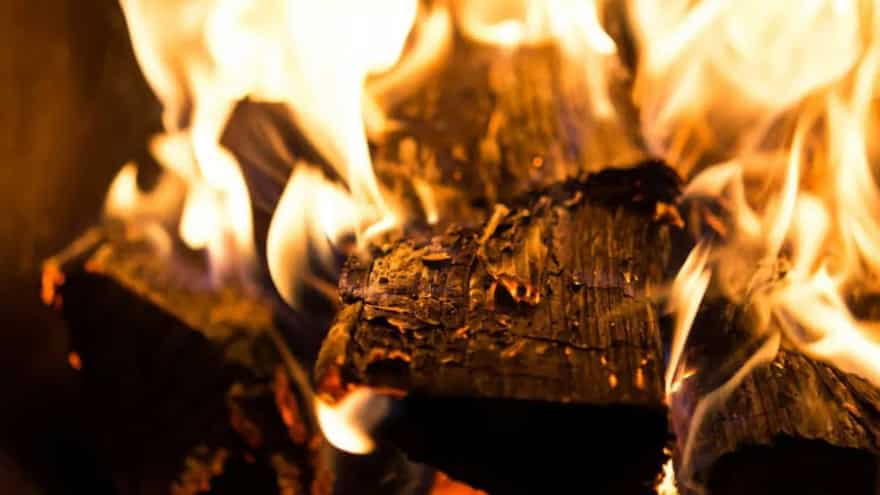
Image credit: Pexels
The log-burning tradition had pagan roots, particularly in its connection to seasonal cycles, fire symbolism, and midwinter observances before Christianisation. Over time, Yule practices merged with Christmas customs as Christianity spread through Europe. The act of lighting the log continued in many regions through the medieval period, though its interpretations shifted as cultural and religious frameworks changed.
History
Historical records show that the burning of special logs during Christmas was documented in medieval Europe. A reference from 1184 CE notes an entitlement to a festive log for Christmas Eve fires, and later sources describe regional variations of this custom across France, the British Isles, and German-speaking regions. The log signified the start of the Christmas period in many households, and communities handled the ashes or remnants in practical or symbolic ways depending on local tradition. With the decline of large domestic hearths in the 18th and 19th centuries, the physical Yule log became less central in everyday life. During this period, French bakers adapted the tradition into a cake form. The Bûche de Noël presented a way to preserve the symbolism of the log within a form compatible with modern kitchens and urban homes. It soon became a recognised Christmas dessert across Europe.

Image Credit: Adobe Stock
Present-Day Significance
Today the Yule log remains a familiar feature of Christmas meals, particularly in Europe and regions that adopted the French cake tradition. The dessert maintains a connection to the older winter ritual, though it is now expressed as a confection presented at the end of festive gatherings. Its design continues to follow the log structure, with a rolled sponge and bark-textured frosting, while variations in flavour: chocolate, chestnut, coffee, or lighter creams, shift according to regional preferences.
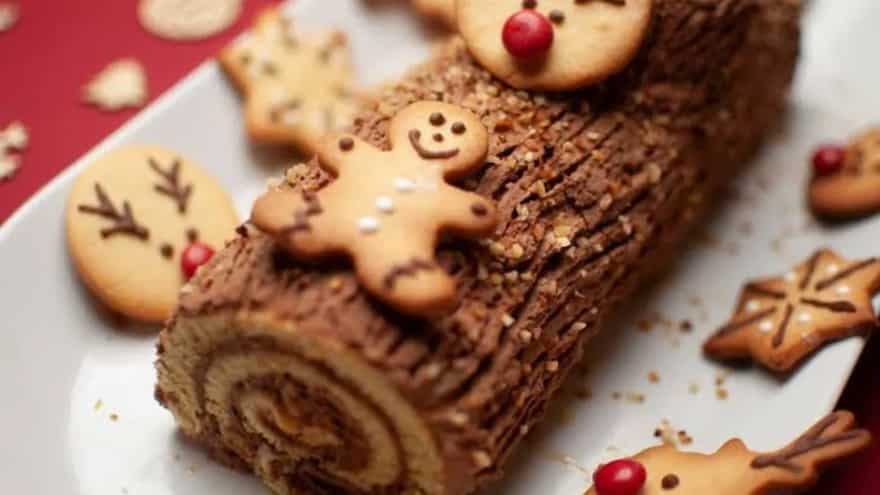
Image Credit: Unsplash
The Yule log also aligns with a broader cultural interest in lifelike, object-shaped cakes that has grown through social media. Contemporary cake artists often produce hyperrealistic designs, and the trend has circulated widely through short videos and posts in which people attempt to identify whether an object is real or made of cake. The Yule log fits naturally into this movement because it is one of the earliest examples of a dessert shaped deliberately to resemble an everyday object. Its longstanding connection to visual imitation places it within the same cultural conversation, even though the Yule log predates the digital trend by centuries.
Detailed Recipe
Serves 8–10
Ingredients
Sponge
- 4 large eggs
- 100g caster sugar
- 100g plain flour
- 1 tsp cocoa powder
- 1 tsp vanilla extract
- Pinch of salt
Filling
- 250ml whipping cream
- 2 tbsp icing sugar
- 1 tsp vanilla extract
Chocolate Icing
- 150g unsalted butter, softened
- 200g icing sugar
- 40g cocoa powder
- 1 tsp vanilla extract
- 1–2 tbsp milk

Image Credit: Wikimedia Commons
Instructions
1. Prepare the sponge
Heat the oven to 180°C. Line a Swiss roll tin with baking paper. Whisk the eggs and caster sugar until pale and increased in volume. Sift together the flour, cocoa powder, and salt. Fold the dry ingredients into the egg mixture with steady movements and add vanilla. Spread the batter evenly in the tin and bake for 10–12 minutes, checking that the surface springs back when touched.
2. Roll the sponge
Place a clean kitchen towel on a flat surface and dust it with icing sugar. Turn the warm sponge onto the towel, remove the baking paper, and roll the sponge from a short end. Leave it rolled until cooled completely so it retains its shape.
3. Prepare the filling
Whip the cream with icing sugar and vanilla until it holds firm peaks. Unroll the cooled sponge and spread the cream evenly, leaving a small margin at the edges. Roll again to form a log.
4. Prepare the icing
Beat the softened butter until smooth. Add icing sugar and cocoa powder and mix until uniform. Add vanilla and adjust with milk until the frosting is spreadable.
5. Assemble the log
Spread the icing over the rolled sponge. Use a fork to create lines along the surface so the exterior resembles bark. Trim the ends if you prefer a clean finish.
6. Chill and serve
Refrigerate for at least one hour before slicing. The cake holds its form well once chilled and can be served as part of Christmas meals or festive gatherings.




