


 Share
Share

Every cuisine has a special place for desserts, yet they differ exquisitely from nation to nation. From delicate pastries to rich puddings, syrup-soaked confections, steaming sweets, frozen treats, fried favourites, and fruit-forward classics, what is considered a delicacy in one culture may be entirely different in another. Every dessert showcases regional ingredients, climate, customs, and communal celebration. In recent years, the emergence of global culinary culture has made it easier for individuals to try out desserts from around the world, whether at home, in cafés, or in restaurants.
A vacation overseas is no longer necessary for a popular Japanese mochi, a Middle Eastern basbousa, or a French mille-feuille, thanks to social media, travel shows, and the increased interest in different flavours. Dessert menus are now more fascinating because of this flavour exchange combined with new experiences. Karpatka, a classic Polish dessert, is a great illustration of this global fascination. Karpatka, named for the untamed Carpathian Mountains, is prepared with two layers of choux pastry that, when baked, balloon into striking peaks. A substantial filling of smooth vanilla custard or cream is positioned between them.
Karpatka demonstrates how desserts may be universally delicious while also carrying tales of geography, family customs, and regional pride. These desserts are light, airy, and rich all at once. The most popular is the cherry karpatka variation. This would be a wonderful centrepiece for any table and is incredibly versatile for dinner gatherings. Although the recipe is easy, there are undoubtedly a few steps to success. But before you begin to make a karpatka in your home kitchen, get to know all the fascinating origins and history of this Polish dessert.
How Poland’s Peak Inspired The Karpatka Pastry
Most people's first thoughts when researching Polish sweets are classic dishes like apple pie, cheesecake and pávczki. Those who are more interested might also search for babka or makowiec. Nonetheless, Polish people enjoy their desserts, and there are lots of choices available. The Poles enjoy giving their desserts somewhat odd names to add even more excitement to their lives. This is where karpatka comes in. The name of the popular Polish dessert, karpatka, is derived from the Carpathian Mountains, a range of 1,500 kilometres that extends from Romania to the Czech Republic.

Image Credit: Wikimedia Commons
This visually striking dish is a mainstay in Polish bakeries, with layers of light choux pastry giving way to a rich custard filling. This is a complete show-stopper because the custard is finished with cream rather than the customary butter, and the unusual addition of a luscious cherry compote adds a fresh burst of fruit flavour among the richness. Cherry karpatka adds a taste that makes the dessert lighter and more playful while maintaining the memories of the original. It blends flavours and textures in a way that is decadent but not overpowering. The pastry itself is light, with a soft interior and a slightly crisp exterior. The cream is lighter than regular custard and is smooth and airy. With their tart juice, cherries provide a stark contrast to the sweetness.
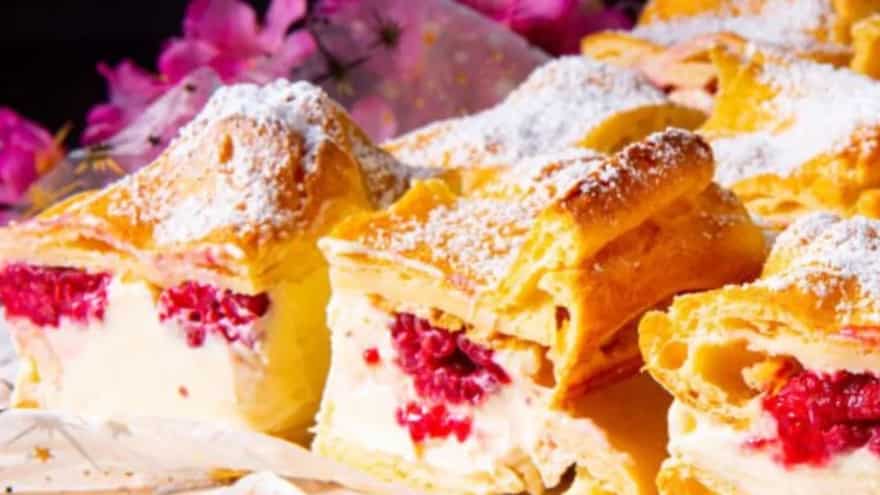
Image Credit: iStock
It's unclear exactly when Karpatka began. It most likely originally surfaced in the 1950s or 1960s. However, it gained significant popularity in Poland in the 1970s and 1980s. In 1972, the formal name "karpatka" was first recorded. A group of language-studying individuals came up with this. A large piece of karpatka is traditionally served with a steaming cup of tea or coffee. It's the best dessert to enjoy with loved ones.
Cherry Karpatka On A Global Plate
These days, making karpatka at home is really simple! Special baking mixes are available in stores throughout Poland and can be shipped worldwide. These mixtures aid in the creation of the pastry and occasionally the creamy filling. "Karpatka" was registered as a trademark in 1995. This was done by a business named Delecta that had formally registered the name of their cream powder mixtures with the Polish Patent Office. If you ever spot a bag of karpatka mix at stores, it probably is from them!
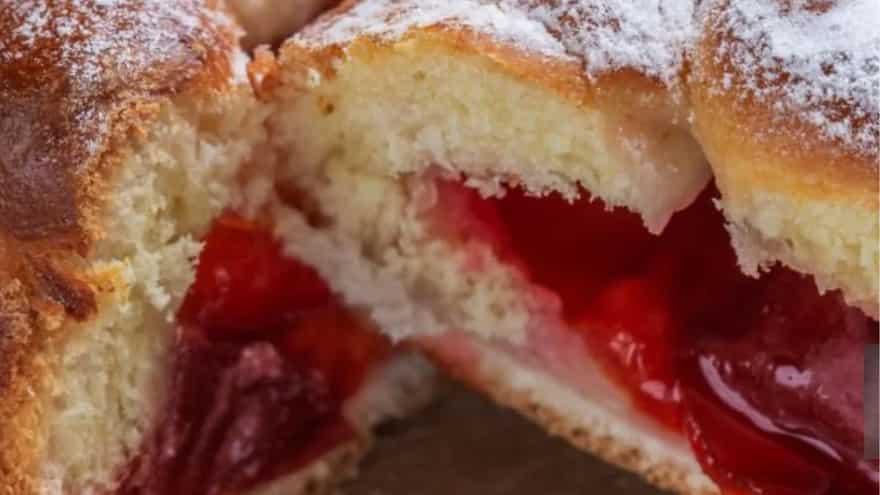
Image Credit: iStock
Today, most kitchens that try to make desserts from around the world have tried making cherry karpatka, and it has been a hit. When garnished with icing sugar from the top, it resembles the snow-covered peaks of the Carpathian mountain range. In winter, you can serve cherry karpatka with tea, coffee, hot chocolate and a really good mulled wine. Any homemade dessert is beautiful since it's a blank canvas. You might add some cocoa powder for a chocolate custard filling or some lemon or orange zest for a citrus custard if you would rather not have a pure cherry compote custard. Karpatka can get soggy while it sits; therefore, it is best served within a few hours of preparation. If you want to store it, you can cover them and put them in the refrigerator, where they should last for two to three days.




