


 Share
Share

Bush tucker refers to the native Australian plants and animals that were used as a source of food by the Aboriginal and Torres Strait Islander peoples for thousands of years. The term "bush tucker" comes from the Australian English slang word "bush" meaning countryside or wilderness.
Many native Australian plants and animals have incredible flavours and nutritional properties that can add interest to your everyday cooking. With some knowledge and guidance, you too can start experimenting with bush tucker in your kitchen. However, you might want to save this experience for your next visit to Australia, the resources are available in plenty.
Identifying edible native plants
Before foraging for any native plants to use as food, it is essential to properly identify and research the plant to ensure it is actually edible. Many native Australian plants have similar appearances but different properties, so misidentification can be dangerous.
It is best to learn from an experienced bush tucker guide or Aboriginal elder who has traditional knowledge of the local plants. Books, websites and apps can also help you identify edible native species. Always cross-check the identification of any wild plant before consuming it.
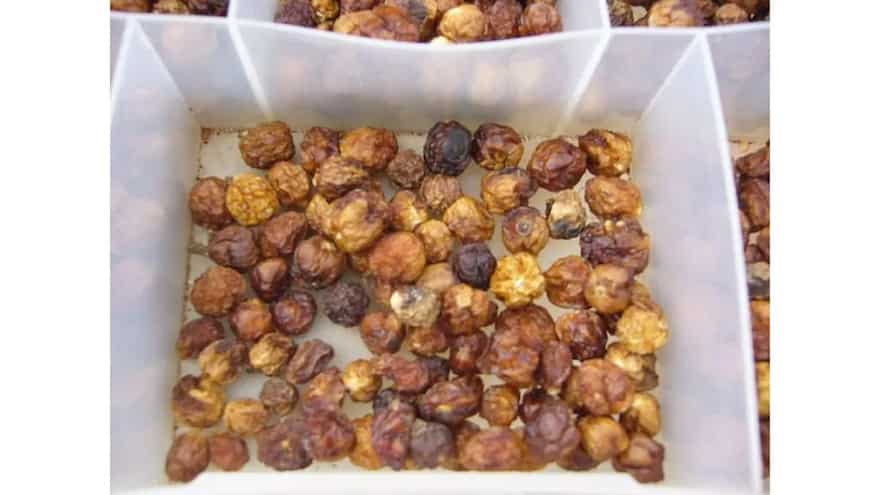
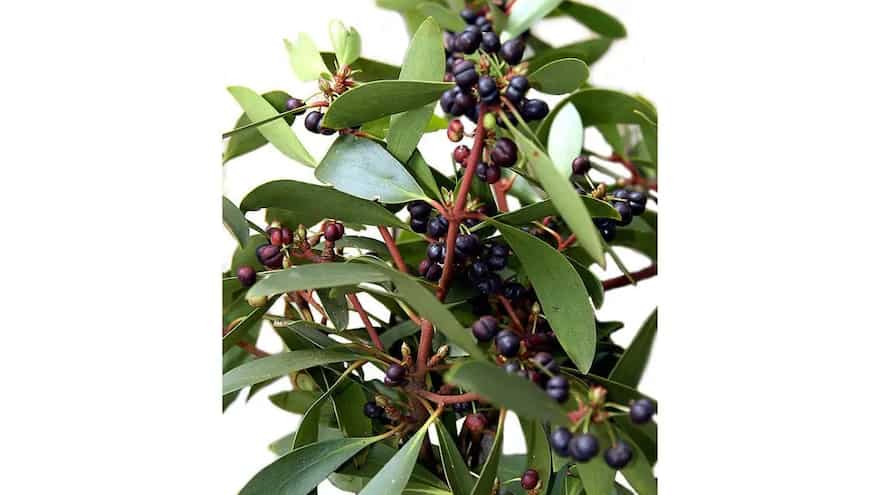
Common edible native plants include: warrigal greens, karkalla leaves, native thyme, lemon myrtle leaves, desert raisins, quandong fruit, midyim berries, and bush tomatoes.
Sustainably harvesting bush tucker
When harvesting any native plants for food, make sure to only pick as much as you need and leave plenty behind for the ecosystem. Avoid overharvesting any one area and allow plants time to regenerate between harvests.
Some guidelines for sustainable harvesting include: only picking a few leaves or stems from each plant, harvesting from a wide area rather than concentrating on a small patch, and avoiding harvesting rare or endangered species. Always obtain permission before harvesting on private or Indigenous land.
Cooking with native greens
Native Australian greens such as warrigal greens, karkalla and native thyme add a distinctive flavour to soups, stir-fries and casseroles. They can be used as a substitute for spinach or silverbeet in most recipes. To prepare native greens for cooking: wash thoroughly, remove any tough stems, roughly chop the leaves and stalks. For a milder flavour, blanch the leaves briefly before cooking.
You can simply sauté the leaves in olive oil with garlic and chilli, or add them to an omelette or frittata. They also work well stir-fried with tofu, tempeh or lentils. For a soup, simply simmer the leaves with stock, tomatoes and spices. Lemon myrtle and native pepperberry leaves can be used to season the dish.
Cooking with native fruits and berries
Native Australian fruits such as quandong, midyim berries, bush tomatoes and desert raisins add a unique sweetness and tartness to desserts, chutneys, sauces and relishes. They can be used in both savoury and sweet dishes.
To use native fruits in cooking: wash thoroughly, remove any stems or leaves and roughly chop. For quandongs, prick the skin before cooking to prevent bursting.
You can make a simple quandong or bush tomato pie filling by stewing the fruit with sugar, spices and a little flour to thicken it. Native berries work well in crumbles, muffins and scones. For a chutney, simmer the fruit with vinegar, sugar, onion and spices. Lemon myrtle and mountain pepper leaves add a unique flavour.
Cooking with Bush Tucker Meat
Meat has long been an important source of protein and nutrients for Aboriginal Australians, with native animals like kangaroo, emu and crocodile providing sustenance for thousands of years. These bush tucker meats require special techniques to prepare and cook them properly, bringing out their distinctive flavours. So, it is a good idea to keep this experience reserved when you take a trip to down under.
Kangaroo: Kangaroo meat has been an important source of protein for Aboriginal Australians for thousands of years. It is lean yet flavourful and can be cooked in many ways, from roasts and stews to rissoles and sausages. Today, kangaroo meat is gaining popularity for its sustainability and health benefits.
Emu: The flightless emu bird provided an abundant source of meat for Aboriginal people. Emu meat is dark and rich with a gamey flavour. It can be roasted, stewed, or minced for dishes like meatloaf and burgers. The fat from emus was also valued.
Possum: Possums were hunted at night by aboriginal people using fire and sticks. Possum meat is dark, rich and slightly sweet. It works well in casseroles and stews. The tail and hind legs provide the most meat.
Goanna: Goannas, or monitor lizards, provided an important source of protein, especially in drier areas. Goanna meat is lean and tastes like chicken with a hint of seafood. It can be cooked in similar ways to chicken.
Wombat: Wombats were hunted by Aboriginal people using spears and clubs. The meat is dark, lean and slightly gamey. It is suitable for stews and casseroles. The fat and bone marrow were also consumed.
While some may find the idea of eating kangaroo, emu or crocodile unusual, these meats are low in fat and high in protein. Most importantly, continuing to utilise native meats has helped maintain an important part of aboriginal culture and knowledge that has sustained Indigenous Australians for millennia.
With experimentation and a sense of adventure, cooking with native Australian plants can open up a world of new flavours and experiences. Just make sure to practice sustainable harvesting techniques and research plant identifications thoroughly for safe foraging. Bush tucker offers a taste of Australia's rich indigenous culture that has been refined over thousands of years.




