


 Share
Share

Many of you might think that food rules are designed around hygiene and safety, but there are regulations around the world that go beyond that. Some governments use food laws to preserve culinary traditions, while others create some unusual regulations to solve specific problems. Over time, many of these regulations became famous not because of their effectiveness but for how bizarre they sound, especially to outsiders.
What makes these laws fascinating is that many of them were created when there were practical concerns at the time they were introduced. However, decades later, their relevance slowly faded away, but they are reminders of how much food and public behaviour matters ofr a society. Today, when global food trends are spreading instantly online, these unusual laws are something that surprises travellers, food lovers, and internet users alike.

(Image Credit: Freepik)
Singapore’s “Hands Off The Mangoes” Rule
Singapore has an unrelated food regulation, which can traumatise Indians, who are used to picking fruits and foods from the roadside. Under the country’s Parks and Trees Act, it is illegal to pluck fruit from trees growing on public land. This includes mangoes, durians, jackfruit, and other tropical fruits commonly seen near roadsides and parks. Even fruit that has fallen to the ground technically remains government property. The law exists to protect public greenery, but many visitors are surprised to learn that picking a roadside mango could lead to a hefty fine, which can reach upto $5,000 SGD.
Scotland’s Law About Drunk People And Cows
Scotland’s Licensing Act of 1872 made it illegal to be drunk while in charge of a cow, horse, carriage, or even a steam engine. Although this law sounds amusing today, it originally existed to prevent accidents involving intoxicated individuals handling animals or machinery. The regulation still technically exists and often resurfaces online because of how oddly specific it sounds. But this one is similar to the drink and drive restrictions that are there in India and many other countries of the world.
(Image Credit: Freepik)
No Ketchup In French Schools
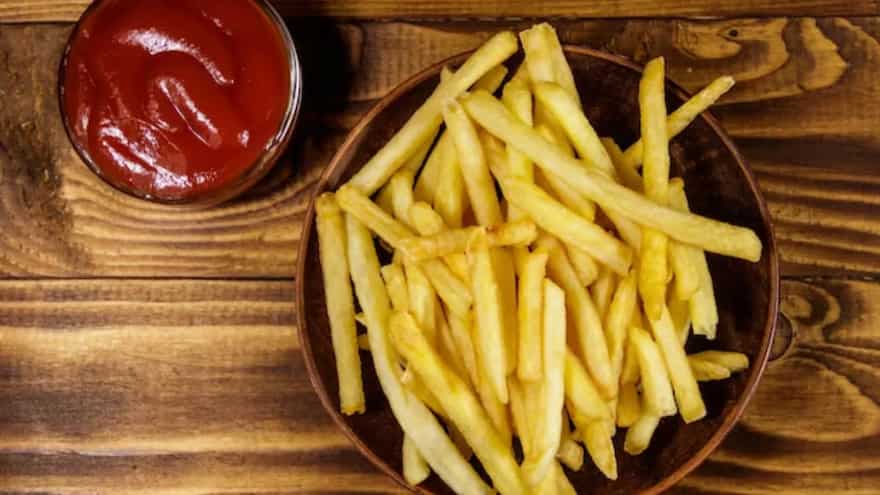
France has long treated food as part of its national identity, which is why the country restricted ketchup in school cafeterias in 2011. The idea was to encourage children to appreciate traditional French cuisine instead of covering meals with sugary condiments. Students were still allowed ketchup occasionally, especially alongside French fries, but the law became famous worldwide because of how seriously France approached cafeteria food. Currently, the law does not ban ketchup entirely, but the consumption ought to be limited in school cafeterias.
Alabama’s Ice Cream Cone Law
In Alabama, carrying an ice cream cone in your back pocket is technically illegal. While it sounds completely absurd today, the rule reportedly originated in the 19th century, when horse theft was more common. Thieves would allegedly place ice cream in their pockets to lure horses away without physically leading them. Since the horse appeared to follow voluntarily, proving theft became more difficult. There is no evidence of this law currently existing, but it indeed is a unique and practical legend to remember.

(Image Credit: Pexels)
Singapore’s Famous Chewing Gum Restrictions
Singapore’s chewing gum restrictions remain one of the most talked-about food laws in the world. The ban was introduced in 1992 and was largely connected to public cleanliness and damage caused to train doors and sensors by discarded gum. The country viewed the issue as both expensive and disruptive to public infrastructure. Today, therapeutic chewing gum for medical or dental purposes is allowed under strict regulation, but ordinary chewing gum sales remain heavily controlled in the country.
Connecticut’s “Bouncing Pickle” Rule
Connecticut once had an unusual way of identifying whether a pickle qualified as a proper pickle, and the condition required the pickle to bounce. The rule reportedly emerged after authorities discovered spoiled pickles being sold to customers. Food inspectors believed a genuine pickle should maintain enough crispness and firmness to bounce slightly when it is dropped. While modern food testing methods have replaced such practices, the story remains one of America’s strangest food regulations.

(Image Credit: Freepik)
Wisconsin’s Battle Against Margarine
Wisconsin’s dairy industry took butter very seriously, which led to decades of strict margarine laws. At one point, yellow margarine was banned there because lawmakers feared consumers might confuse it with real butter. People sometimes had to buy plain white margarine separately and mix yellow colouring into it themselves at home. Even today, restaurants in Wisconsin cannot automatically substitute margarine for butter unless customers specifically request it.
Although some of the food laws above sound humorous, they highlight how closely societies are connected to food, culture, economy, behaviour, and identity. What appears bizarre sometimes usually has a local concern, whether it involves protecting traditional cuisine, maintaining public order, or supporting farmers. These unusual regulations around the world show how food is rarely treated as just food, and there is so much attached to it beyond that.




