


 Share
Share

As we enter 2026, the global food and drink landscape is moving away from the restrictive "performance-only" diets of the early 2020s toward a philosophy defined by Intentional Indulgence. While the last few years were dominated by a "more is more" approach to protein and supplements, the coming year marks a maturation of the consumer mindset: one that balances high-performance nutrition with a visceral, almost primal return to sensory pleasure. For the Indian consumer, this shift feels particularly resonant, as urban lifestyles begin to blend high-tech wellness with the recovery of heritage ingredients like ghee and ashwagandha. The focus has moved from what we can’t eat to how a meal makes us feel, making satiety, texture, and mood-regulation the new benchmarks of a successful diet.
1. Fibre-First Everything: Satiety Is The New Status
For decades, fiber was the "boring" nutrient, the one your doctor told you to eat more of but never made its way into a gourmet menu. In 2026, fibre is officially having its high-fashion moment, surpassing protein as the headline nutrient for the health-conscious. Driven by the mainstreaming of satiety-focused health discussions and a global obsession with the "gut-brain axis," consumers are now "fibermaxxing" in ways that feel indulgent rather than medicinal. We are seeing a massive surge in high-fibre cocktails, prebiotic-infused pizzas, and the viral rise of konjac and chicory root in mainstream snacks. Packaging in Indian supermarkets is shifting to move fibre counts to the front, framing it around long-lasting comfort and sustained energy. Whether it is a bean-based pasta that actually tastes like the real thing or a dessert that quietly boasts double-digit fiber counts, the goal in 2026 is to feel comfortably full for longer, making "satiety" the ultimate status symbol of a healthy, balanced life.
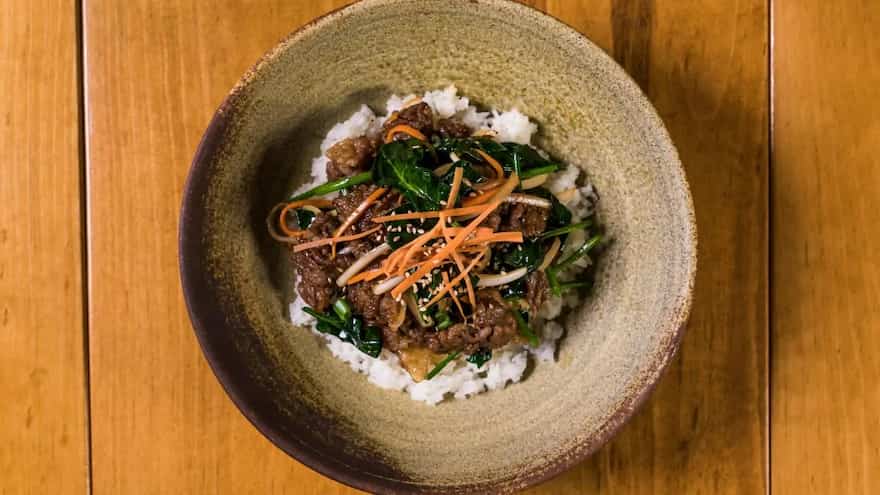
Image credit: Pexels
2. Beverages With Purpose: The "Mood Tool" Menu
The era of the "uninspiring mocktail" is officially dead, replaced by the functional beverage, a drink that doubles as a mood stabiliser, focus enhancer, or post-workout refresher. In 2026, functional beverages have moved from niche wellness aisles into the default choice at social gatherings, especially in urban Indian metros where "mindful drinking" is the new norm. Alcohol is no longer the main character; instead, menus are featuring drinks built around adaptogens like ashwagandha (which is seeing a massive modern revival), nootropics like lion’s mane, and minerals like magnesium. These are "adult" sodas and tonics with sharper, benefit-led positioning, focusing on "calm," "clarity," or "flow" rather than generic wellness. Expect tea-based energy alternatives using mate and cascara to replace the afternoon coffee run, served in heavy crystal glassware with the same level of storytelling and visual appeal once reserved for vintage spirits.

Image credit: Pexels
3. Sensory Maximalism: The Texture Takeover
In 2026, if a dish doesn’t pop, crunch, or fizz, it’s not making it onto the social media feed. Driven by a global desire for "participatory" eating and a sensory-starved digital culture, texture has become just as important as flavour. Food is now designed to be an interactive experience rather than just a meal, with popping pearls appearing in savoury soups, freeze-dried fruit inclusions that shatter on the tongue, and "cloud cakes" that defy gravity. Layered drinks are dominating the scene, where each layer serves a different textural purpose, think a creamy foam top, a sparkling middle, and a crunchy bottom layer. This trend is about "bite-sized escapism," where every mouthful tells a tactile story. In the Indian context, this means a reimagining of traditional textures, like the crunch of a sev or the pop of a boondi, being integrated into ultra-modern, global formats that prioritise the sound and feel of the food as much as the taste.
4. “Swavoury” & The Botanical Burn
We have officially moved past the "sweet-and-heat" phase into the sophisticated world of "Swavoury", a deep, complex marriage of sweetness with umami-rich, savoury notes. Parallel to this is the rise of "Botanical Bitterness," where ingredients once confined to herbal remedies move confidently into the mainstream bar and dessert scene. Expect to see black garlic honey drizzled on sourdough, miso caramel becoming the default coffee topper, and experimental confections like fish sauce fudge or soy sauce gelato sparking obsession. Alongside this, ingredients like hibiscus, dandelion root, gentian, and woodsy herbs are showing up in sodas and adult soft drinks to provide a complex "burn" that feels grown-up and refined. It is the kind of flavour profile that makes people pause mid-bite because they cannot immediately place the ingredient, yet they find themselves reaching for another mouthful of that salty, sweet, and earthy depth.
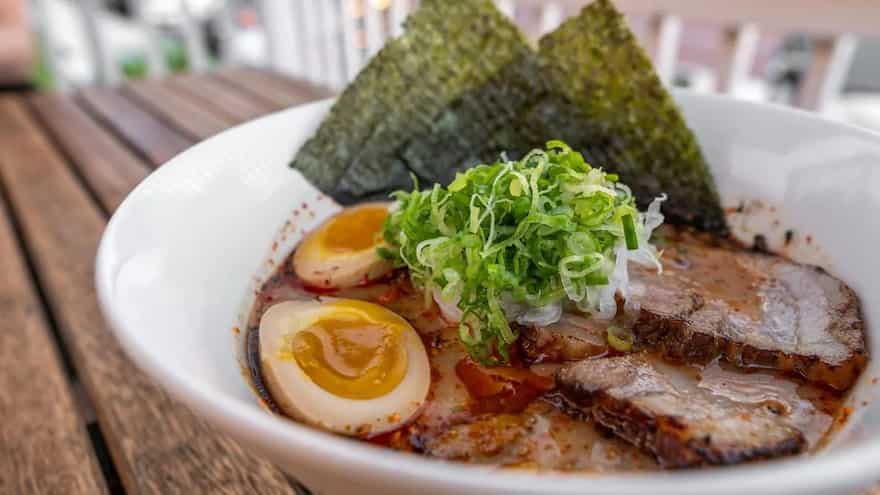
Image credit: Pexels
5. The “Nacho Latte”: Chaos-Core Sippers
In one of the year’s most divisive moves, the line between "snack" and "drink" is blurring into a trend known as Chaos-Core Sippers. Analysts are predicting a massive rise in savoury-inspired coffees and teas that borrow flavour cues from the snack aisle, think lattes inspired by nacho cheese seasoning, spicy chip blends, and buttery popcorn notes sitting right alongside sweet syrups on café menus. While it sounds like a social media dare, the science of "sweet-meets-savoury" makes these drinks oddly addictive, offering a hit of salt and fat that balances the traditional bitterness of coffee. This trend caters to a younger audience that craves novelty and "weirdly good" combinations that challenge the status quo. In urban India, where adventurous fusion is already part of the DNA, these savoury lattes are expected to become viral hits, turning a standard coffee break into a conversation-starting culinary experiment.
6. The “Briny & Filthy” Revolution
Move over, Aperol Spritz, there’s a new "it" drink in 2026, and it tastes like the ocean. This is the year of the briny beverage, where we are moving beyond the basic Dirty Martini into a world of hyper-savoury, acid-forward cocktails and "living" tonics that lean into the "filthy" side of flavour. Vinegar is no longer just a kitchen staple for dressings; it has become the backbone of the craft shrub revival, with raw apple cider vinegar, kombucha vinegar, and fruit-based shrubs being used to create complex, non-alcoholic drinks that feel sharp and bracing. This isn't just about the "zing"; it's about a deep, fermented umami that satisfies the palate without a sugar crash. Expect to see "filthy" cocktails featuring MSG-infused gins, double-brine splashes, and even pickled ingredients from traditional Indian fermenting techniques being repurposed into sophisticated, salty aperitifs that are designed for people who want flavour intensity and gut-friendly benefits in every sip.

Image credit: Pexels
6. Hojicha & The Tea Tonic Era
While matcha defined much of the early 2020s, hojicha, the roasted Japanese green tea known for its nutty, caramel-like notes, emerges as the quiet hero of 2026. Its lower caffeine content and rounded, smoky flavour make it more approachable for all-day drinking, especially for the Indian palate that already appreciates the depth of a slow-brewed chai or the warmth of roasted grains. This isn't just a simple tea; it’s being reimagined as a "Tea Tonic" for sustained focus, often blended with adaptogens to provide a productivity boost without the jitters of coffee. Across urban India, from specialty cafes in Mumbai to boutique tea rooms in Bengaluru, expect to see cold-brew hojicha lattes and even roasted tea kulfis. It represents a shift toward functional beverages that feel ritualistic and calming, acting as a grounded alternative to the high-energy chaos of traditional stimulants.
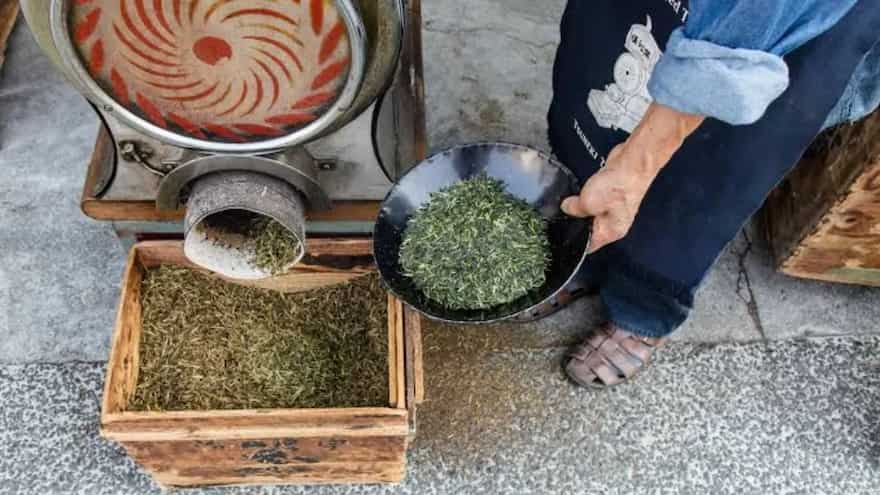
Image credit: Pexels
8. Ancestral Eating: The Tallow & Heritage Grain Revival
As a direct backlash to the era of ultra-processed foods, 2026 marks the return of "Ancestral Eating," a movement that prioritises the fats and grains our great-grandparents would recognise. We are seeing a massive shift away from modern seed oils toward stable, traditional fats; in the Indian context, this is a sophisticated "Ghee-naissance," where cultured and herb-infused ghees are reclaiming their place at the centre of the table. Beyond fats, the spotlight is on heritage grains, like ragi, bajra, and sorghum, which are being elevated from humble staples to high-end culinary stars in fine-dining restaurants. This trend is about the purity of the source, utilising open-fire roasting, stone-grinding, and traditional preservation to create food that feels primal yet luxurious. It is a return to a "cleaner" way of eating that values history and soil health as much as flavour, turning ancestral wisdom into the ultimate modern luxury.




