


 Share
Share

Few chicken preparations have travelled as far and in local disguises as dramatically yet effectively as the chicken wing. In America, Buffalo chicken wings have become a bar food staple, while in Korea, double-fried chicken has become the perfect canvas for glossy, sweet-hot yangnyeom sauce. Across India, wings now appear in various contemporary sauces and exotic preparations, such as peri-peri and honey chilli versions.
For example, food historians credit the Buffalo wing story to a John Young, a Black restaurateur, who used to serve whole fried wings with his own spicy mambo sauce in Buffalo during the 1960s, alongside what is known as the Anchor Bar story. The exact origins of the Buffalo wing still remain disputed, but the broader history is clear. Wings were not always the prized appetiser they are today. They used to be commonly treated as an inexpensive or less desirable cut of chicken.
Anchor Bar dates its famous Buffalo wing to March 4, 1964, when Teressa Bellissimo deep-fried wings and tossed them in a hot sauce. Soon, the dish became a Buffalo staple and eventually travelled far beyond New York. Over time, the inspiration remained, but the sauce changed. A crisp fried wing could now carry a completely different personality depending on what went into the bowl afterwards: cayenne and butter for Buffalo, gochujang for Korean fried chicken, or peri-peri for a chilli-forward African-Portuguese influence. So, it is time for you to explore and sample the best saucy wing varieties out there, and make your choice.
Saucy Chicken Wings That Can Brighten Every Party
Classic Buffalo Wings
Buffalo sauce is the benchmark sauce for such wings, as it never overwhelms your chicken in its attempt to create flavour. Its appeal lies in the smooth meeting of hot sauce, butter, and vinegar, with enough richness to cling to a crisp crust. For 500g fried chicken wings, you will require 60g unsalted butter, 80ml cayenne-style hot sauce, 1 tsp white vinegar, ½ tsp garlic powder, ¼ tsp Worcestershire sauce, and a pinch of salt.
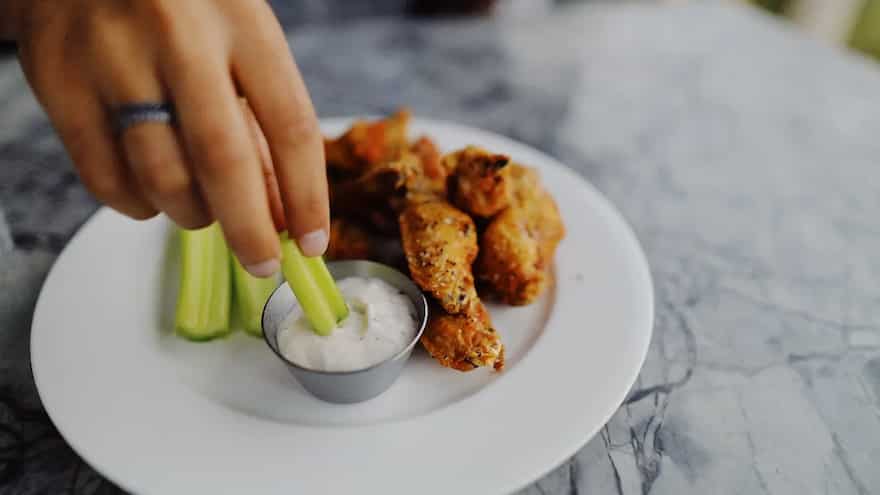
Image credit: Pexels
First, melt your butter over low heat. Then whisk in the hot sauce, vinegar, garlic powder, and Worcestershire sauce until glossy. Now, toss the freshly fried wings through your sauce while both are hot. The result should be tangy, buttery, and properly hot rather than sugary. Traditionally, Buffalo wings are often served with some celery and a blue cheese dressing.
Sticky Tamarind-Chilli Wings
For a wing that feels genuinely at home on an Indian table, tamarind is far more interesting than simply adding another chilli sauce. Its natural sourness gives fried chicken a sharp counterpoint, while jaggery turns it into a glossy glaze. What you need for 500g fried wings are 2 tbsp tamarind pulp, 1½ tbsp grated jaggery, 1 tbsp Kashmiri chilli sauce, 1 tsp light soy sauce, ½ tsp roasted cumin powder, ½ tsp grated ginger, 1 tsp lemon juice, and salt according to taste
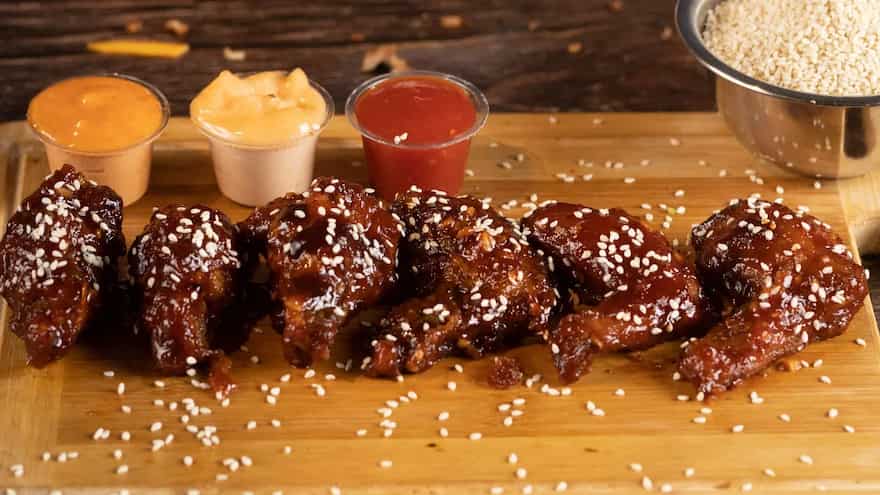
Image credit: Pexels
To make this, combine the tamarind pulp, jaggery, chilli sauce, soy sauce, cumin, and ginger in a saucepan. Cook over medium heat for 2–3 minutes until the jaggery dissolves and the sauce thickens. Then turn off the heat and add lemon juice. Finally, toss your crispy wings through the glaze. This sauce is sweet-sour, sticky, and earthy, with tamarind providing the kind of acidity that makes you yearn for another wing instead of a glass of water.
Also read: These Delicious Chicken Wings Are A Must-Try
Korean Yangnyeom Wings
Korean fried chicken brings a different culinary trick to your table. This time, the sauce is sweet, sticky, spicy, and intensely savoury, while the fried coating remains remarkably crisp. For 500g fried wings, you need 1½ tbsp gochujang, 1 tbsp gochugaru, 1½ tbsp soy sauce, 2 tbsp corn syrup or honey, 1 tbsp tomato ketchup, 1 tsp finely chopped garlic, 1 tsp sugar, and 1 tsp rice vinegar.
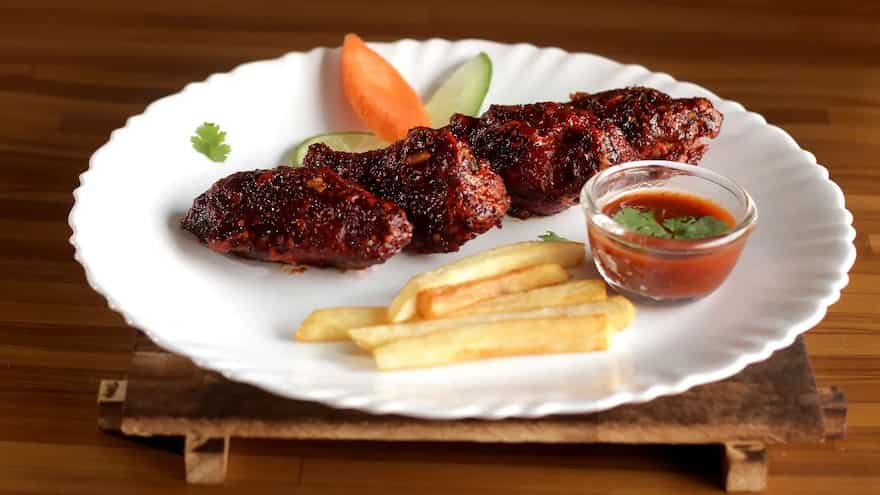
Image credit: Pexels
To make these wings, simmer all ingredients for 2–3 minutes until thick and shiny. Then toss the hot wings through the sauce immediately for best results. The resulting wing is ideal for those who enjoy contrasting flavours in one bite: spicy first, followed by some sweetness and then the fermented depth of gochujang. A mouthwatering match made in heaven.
Garlic Parmesan Wings
After all that chilli, a creamy savoury wing is a welcome change. Garlic Parmesan wings are less about heat and more about cheesiness, saltiness and the garlicky aroma. For making 500g of fried wings, you will need 30g unsalted butter, 3 tbsp minced garlic, 100 finely grated Parmesan, 2 tbsp chopped parsley, 2 tsp black pepper, and 1 tsp lemon juice. For creating this, first melt your butter over low heat and tip in the garlic. Now cook gently for 30–40 seconds without allowing it to brown.
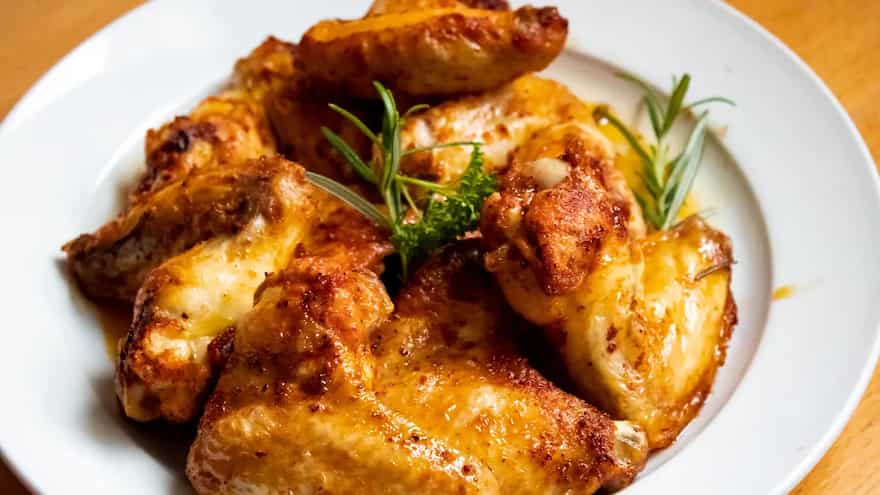
Image credit: Pexels
Then take the pan off the heat. Stir in Parmesan, black pepper, and lemon juice. Time to toss the sauce with the hot wings and finish with parsley. The culinary output is buttery, intensely garlicky and savoury, with Parmesan cheese providing a salty, nutty depth. Unlike the wet sauces, this one should coat the wings lightly, allowing the fried crust to remain audible with every bite.
Peri-Peri Butter Wings
Peri-peri has become a familiar language of Indian casual dining, especially when it comes to fried and grilled chicken dishes. For wings, adding a little butter makes the chilli sauce cling even more beautifully to the pieces without turning it into a heavy glaze. To come up with 500g of fried chicken wings, you will require 4 tbsp peri-peri sauce, 60 g melted butter, 1 tbsp lemon juice, 1 tsp smoked paprika, 1 tsp garlic powder, 1 tsp dried oregano, and salt, if needed.
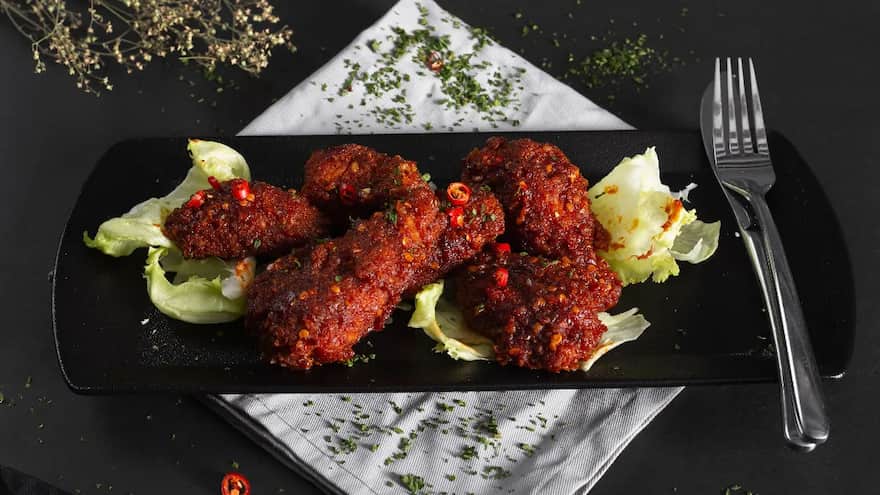
Image credit: Pexels
To create this, warm your peri-peri sauce and butter together. Then add the paprika, garlic powder, and oregano, before finishing with lemon juice. Finally, toss the fried wings through your sauce mixture while both chicken and sauce are hot. The flavour is bright, spicy, and buttery, with lemon doing the essential job of cutting through the fried coating. Unlike a thick barbecue glaze, peri-peri should leave the wing lively rather than sticky.
Korean BBQ Wings
Korean BBQ wings are less chilli-driven compared to the yangnyeom sauce and lean towards umami soy, sweetness, and caramelised savouriness. For making 500g fried wings, you need 2 tbsp soy sauce, 1½ tbsp brown sugar, 1 tbsp honey, 1 tsp sesame oil, 1 tsp grated ginger, 1 tsp minced garlic, 1 tsp rice vinegar, and ½ tsp chilli flakes.
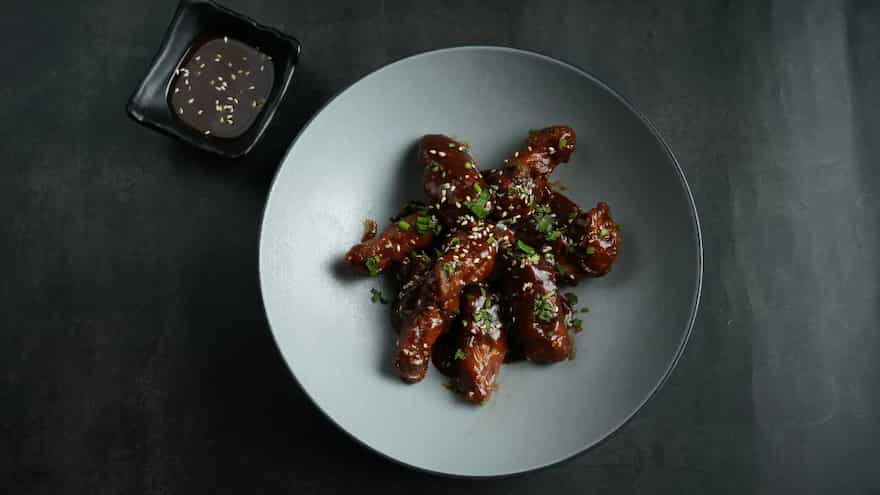
Image credit: Pexels
Focus on mixing and reducing everything except the chicken wings over medium heat until syrupy. Then toss your fried wings through the glaze and finish with toasted sesame. The flavour is dark, savoury, slightly smoky, and glossy, with ginger and sesame keeping the sweetness in check.
What Makes A Saucy Wing Actually Good?
The sauce is only half the equation. A great saucy wing needs a fried exterior that is sturdy enough to survive the toss. Sauce it too late, and the crust softens, while using too much can lead to wet chicken wings instead of glazed ones. The best approach is to cook the wings till they are properly crisp, while preparing the sauce separately and simultaneously before combining the two together right before serving. At the end of the day, that contrast between a crisp crust and glossy sauce is what keeps the humble saucy wing interesting.




