


 Share
Share

Batch cooking means preparing ingredients or meals in advance, often in larger quantities, and storing them for later use. For many Indian families this approach works well because it reduces repeated chopping, grinding and cooking across the week. A food processor becomes an essential tool here, as it can chop vegetables, knead dough, grind spices and prepare purees in minutes. Using an appliance like the Usha Food Processor allows home cooks to speed up the most time-consuming tasks. In Indian kitchens where meals are often cooked fresh every day, batch cooking supported by a food processor helps reduce effort while maintaining variety.
Saving Time With Efficient Preparation
The biggest advantage of using a food processor in batch cooking is the time saved in preparation. Cutting onions, chopping cabbage or grating carrots can take a long time if done by hand. In batch cooking, where large amounts are involved, this work can feel overwhelming. A food processor reduces this effort by chopping or slicing large quantities quickly and evenly. For example, when preparing vegetables for pav bhaji or sabzi bases, a processor handles the chopping in minutes. This means that instead of spending long hours on repetitive tasks, the cook can focus on actual cooking or seasoning. The uniformity in chopping also ensures that dishes cook evenly, which is especially useful when preparing food in bulk.
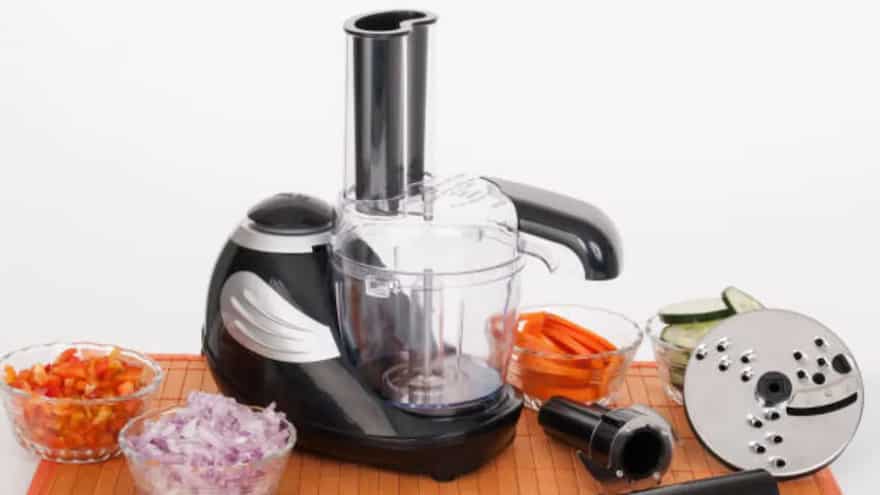
Supporting Multi-Tasking In Indian Kitchens
Batch cooking often involves managing several preparations at the same time. For instance, dal may need to be soaked, while dough is kneaded, and vegetables are chopped. A food processor makes this easier because it handles multiple functions with the same appliance. Dough kneading is one of the best examples, as it saves significant time for those who prepare rotis or parathas daily. The processor can knead dough for several days’ worth of meals, which can then be stored in the refrigerator in airtight containers. Similarly, grinding chutneys, pureeing tomatoes, or shredding cabbage for parathas can all be done quickly. By reducing manual effort, the food processor supports multitasking and helps families keep pace with daily cooking needs.
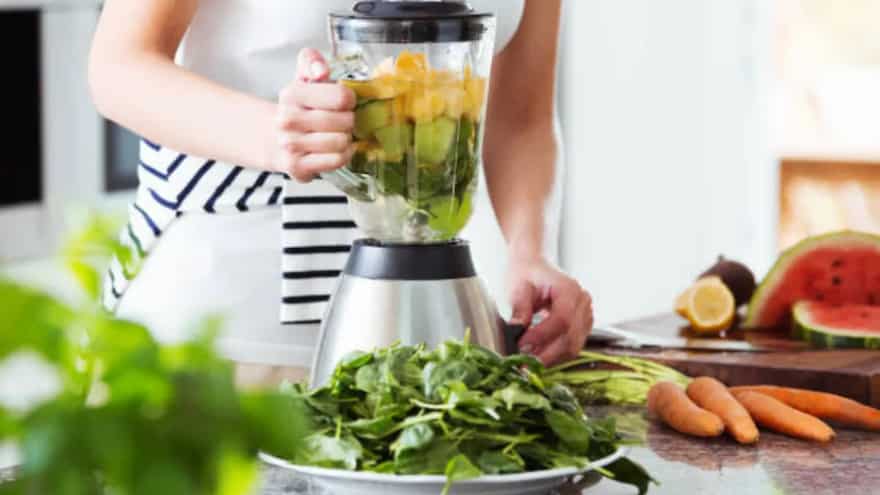
If you don’t have Usha’s Food Processor, Shop Now  .
.
Reducing Food Waste And Managing Storage
Another key benefit of batch cooking with a food processor is better use of ingredients. When large amounts of vegetables are bought at once, they need to be processed quickly before they spoil. A food processor helps chop or grate vegetables for storing in the fridge or freezer. For example, grated coconut can be frozen in portions, chopped spinach can be stored for quick dals, and sliced okra can be frozen without losing texture. By processing ingredients in bulk, households avoid wastage and extend the life of fresh produce. The even chopping also makes it easier to pack meals neatly into containers for storage. Once the vegetables are prepared, cooking them during the week becomes simpler and less time consuming.
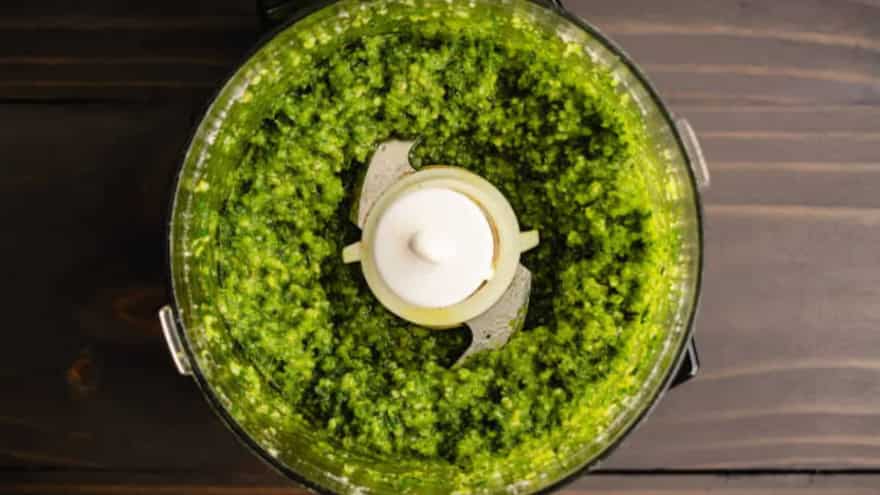
Maintaining Variety In Meals
Batch cooking sometimes leads to repetition, but with the right preparation, meals can still remain varied. A food processor helps create multiple bases that can be used in different dishes. Tomato and onion purees, for example, can be cooked into gravies with different spice mixes, leading to dishes like rajma, chole, or paneer masala. Similarly, chopped cabbage can be turned into sabzi, parathas, or cutlets depending on the day. By preparing versatile ingredients in bulk, cooks can change the flavour and form of meals without repeating the same dish. Using an appliance like the Usha Food Processor makes it easier to plan ahead and maintain this variety, since large quantities can be prepared without much effort.
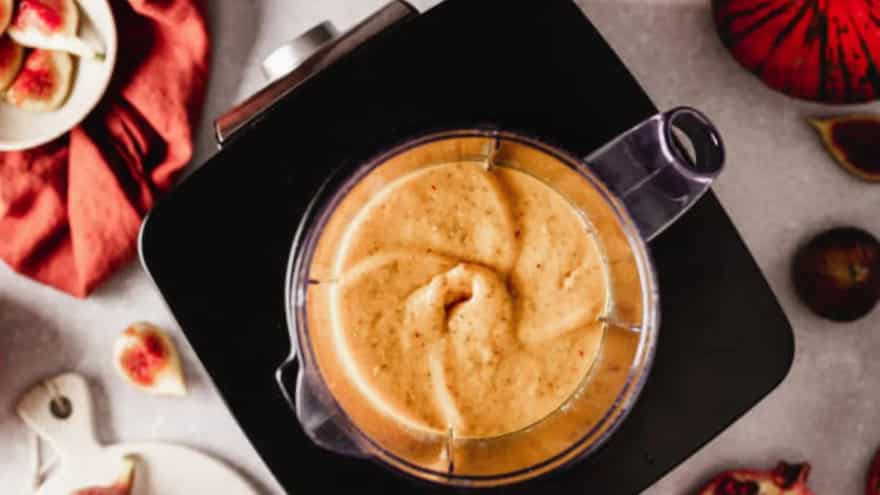
Building A Practical Batch Cooking Routine
For Indian homes, batch cooking works best when supported by a clear routine. Setting aside a few hours on weekends or during less busy days allows time to prepare ingredients in bulk. Using a food processor during this time helps chop, grate, knead and grind in an organised way. Once the ingredients are stored in labelled containers, cooking during the week becomes much faster. Soups, curries, rotis, parathas, and snacks can be made with less preparation each day. Over time, this habit reduces daily cooking stress and gives families more consistent meals. A processor saves effort in every step of this cycle, making it the most valuable tool for anyone looking to manage batch cooking effectively.




