


 Share
Share

For people living with diabetes, diet is not only about avoiding sugar but also about choosing foods that provide steady energy. Traditional Indian meals are often high in carbohydrates, and adjusting them requires attention to portion size, cooking technique, and the type of ingredients used. An efficient food processor like the Usha Food Processor helps in this process because it allows vegetables to be chopped finely, grains to be ground quickly, and doughs to be prepared with less effort. This not only saves time but also makes it easier to include nutrient-rich foods that support blood sugar control. Preparing meals in advance is especially useful, as it reduces dependence on quick snacks that may not be suitable for diabetic diets. Using fresh vegetables, whole grains, and high-fibre ingredients, it is possible to create diabetic-friendly dishes that are filling, nutritious, and practical for daily use. This article outlines six meal preparation ideas that are suitable for those managing diabetes, with each one making good use of a food processor in the kitchen.
Vegetable Cutlets With Oats
Vegetable cutlets can be made diabetic-friendly by using oats instead of potatoes as the binding ingredient. A food processor is used to chop carrots, beans, spinach, and cauliflower finely, ensuring even mixing. Rolled oats can also be pulsed in the processor to form a coarse powder that holds the mixture together. Shallow-frying in minimal oil or air-frying helps keep the fat content low. These cutlets can be prepared in batches and stored in the refrigerator for two to three days, making them a reliable snack or light meal option.

Brown Rice Idli Batter
Idlis are naturally light, but using brown rice in the batter adds more fibre, which is helpful for blood sugar control. The food processor can be used to grind soaked brown rice and urad dal into a smooth batter. Fermentation remains important for texture and flavour, but the use of brown rice lowers the glycemic index compared to polished rice. Once fermented, the batter can be stored in the refrigerator for several days, allowing quick steaming of idlis whenever required. These idlis pair well with chutneys made from coconut, roasted peanuts, or green vegetables.

Lobia And Vegetable Kebabs
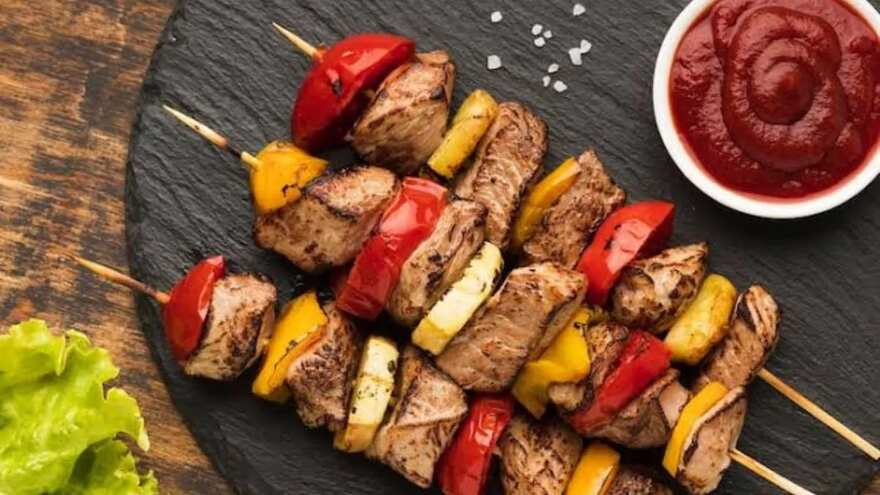
Lobia, also known as black-eyed peas, is high in protein and fibre, making it a suitable ingredient for diabetic-friendly cooking. The beans are soaked and cooked, then ground in a food processor with spinach, coriander, and onions to form a dough-like mixture. Small kebabs can be shaped and pan-cooked with very little oil. These kebabs are filling and can be eaten with mint chutney or added into whole wheat wraps for a more complete meal. Preparing them in advance allows for easy reheating, which is convenient for busy days.
If you don’t have Usha’s Food Processor, Shop Now  .
.
Cabbage And Carrot Parathas With Multigrain Flour
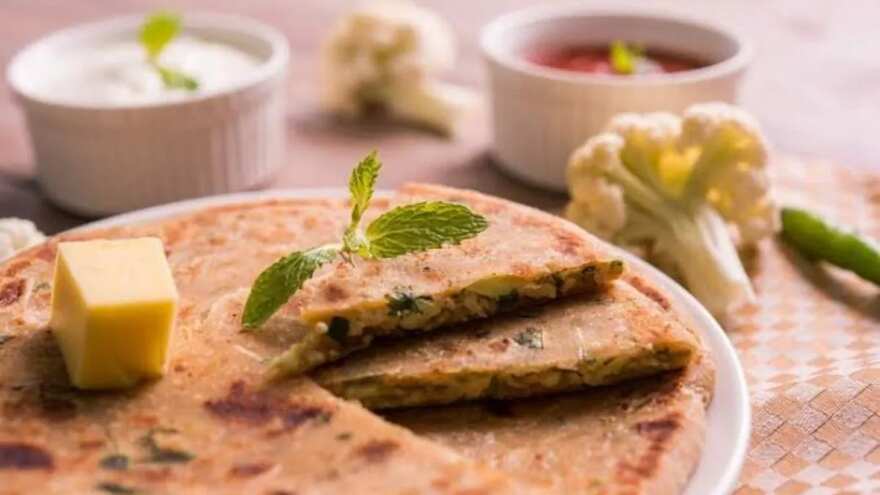
Parathas are popular in Indian homes, but refined flour and excessive oil make them less suitable for diabetics. A healthier version can be made by using multigrain flour combined with finely shredded cabbage and carrot. The food processor helps in shredding the vegetables evenly and kneading the dough quickly. The parathas can be cooked on a tawa with minimal ghee or oil. They can be rolled in advance and kept in the refrigerator, ready to be cooked when needed. These parathas provide fibre, vitamins, and minerals while keeping energy levels steady.
Flaxseed And Chia Energy Laddoos
Snacking can be challenging for diabetics, as many traditional sweets contain high amounts of sugar. A healthier sweet option is possible using flaxseeds, chia seeds, and nuts processed together with dates in small quantities. The food processor helps grind the mixture finely so that small laddoos can be rolled easily. Dates are used sparingly to provide binding and a touch of natural sweetness, while seeds and nuts provide healthy fats and protein. These laddoos can be stored in airtight containers for up to a week, offering a quick snack that does not cause a sharp rise in blood sugar levels.

Lauki And Moong Dal Tikki
Bottle gourd, or lauki, is a water-rich vegetable that works well in diabetic diets, and moong dal provides protein. The dal is soaked, then ground in a food processor along with grated lauki, ginger, and spices to make a thick paste. This paste can be shaped into small tikkis and pan-cooked on a non-stick tawa with minimal oil. These tikkis are filling and light, making them suitable as part of a meal or as an evening snack. Preparing them in advance and refrigerating the mixture allows for quick cooking at any time.




