Share
Share

Punjabi curries are known for their robust flavours, slow-cooked masalas, and generous use of spices, dairy, and seasonal produce. The base of a curry determines its flavour profile, thickness, and richness. While the traditional approach involves finely chopping onions, grating ginger, pounding garlic, and patiently cooking the mixture until oil separates, modern kitchens often need faster solutions. Using an appliance like the Usha food processor can make this preparation more efficient by chopping, pureeing, and blending ingredients within minutes. This allows home cooks to keep the essential cooking steps that build flavour while removing the time spent on repetitive manual preparation. By understanding the variations in curry bases and using the food processor effectively, it becomes easier to recreate authentic Punjabi flavours without long hours in the kitchen. With the right methods, it is possible to make different Punjabi curry bases faster and store them for use in multiple dishes.
1. Onion-Tomato Masala Base
This is the most common Punjabi curry base, used in dishes such as rajma masala, chole, and dhaba-style chicken curry. It starts with onions, tomatoes, ginger, garlic, and a blend of spices like cumin, coriander, turmeric, and red chilli powder. Traditionally, the onions are chopped by hand and cooked until golden brown, which takes time. With a food processor, onions can be evenly chopped in seconds, ensuring even cooking. Tomatoes can be pureed or chopped, depending on whether a smooth or chunky texture is preferred. The ginger and garlic can also be processed into a paste instantly. Once the ingredients are prepped, they still need to be fried slowly to release sweetness from the onions and balance acidity from the tomatoes. This base can be stored in portions and adapted for a variety of curries by adding different proteins or vegetables.

2. Makhani (Butter) Base
Used in favourites such as paneer butter masala and butter chicken, the makhani base is smooth, creamy, and mildly spiced. It often includes tomatoes, cashews, cream, butter, and a touch of fenugreek leaves for aroma. In the traditional method, tomatoes are blanched, peeled, and pureed, while cashews are soaked and ground separately. A food processor can puree raw or blanched tomatoes quickly and grind soaked cashews into a fine paste without manual effort. For the smoothest base, the tomato-cashew mixture can be blended and then strained before cooking with butter, cream, and spices. This base can be made ahead, stored, and reheated gently before finishing with cream and herbs.

If you don’t have Usha’s Food Processor, Shop Now  .
.
3. Yoghurt-Based Curry Base
This base is common in Punjabi kadhi, dahi chicken, and certain vegetable curries. It combines whisked yoghurt with onion, ginger, garlic, and spices. Traditionally, yoghurt is whisked by hand until smooth to prevent curdling during cooking. A food processor can whisk yoghurt quickly and blend it with green chillies, ginger, or coriander for added flavour. Onions for this base can also be processed to a fine paste, which helps the curry thicken without visible chunks. When cooking yoghurt-based curries, the mixture must be stirred continuously over low heat to avoid splitting. Preparing the ingredients in a food processor saves time while keeping the cooking method traditional.

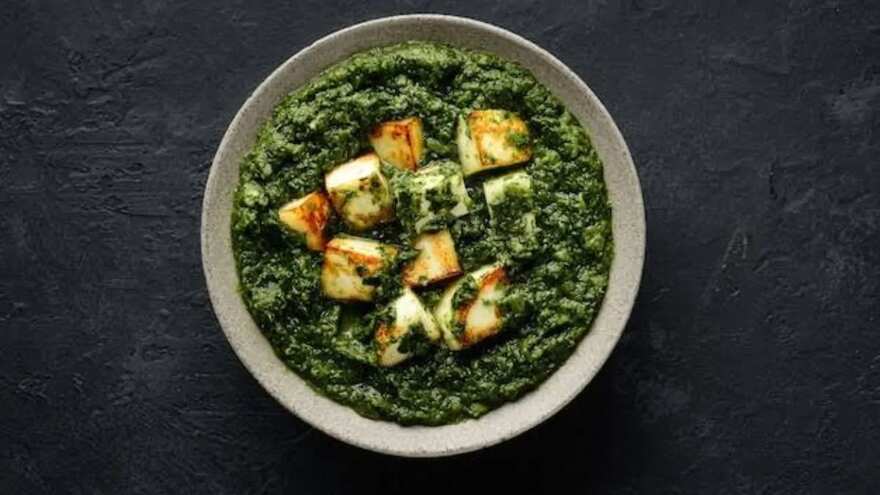
4. Palak (Spinach) Curry Base
Palak paneer and other leafy green Punjabi curries rely on a spinach-based sauce. Fresh spinach is usually blanched and then pureed with garlic, ginger, and sometimes green chillies. This can be time-consuming if done by hand. A food processor can puree blanched spinach within seconds, producing a bright green base. For a smoother sauce, the spinach can be blended with a small amount of water or stock. The puree is later combined with a lightly cooked onion-tomato masala and finished with cream or ghee. This method helps preserve the colour and nutrients of the spinach while reducing preparation time.
5. Korma-Style Base
Punjabi kormas are rich, nut-based curries that use onions, yogurt, and ground nuts such as almonds or cashews. The traditional method involves boiling or frying onions until soft, then grinding them with nuts into a paste. A food processor can handle both chopping the onions before frying and grinding the cooled onions with nuts after cooking. The same machine can blend yogurt into the paste for a smoother consistency. This korma base can be cooked with whole spices like cardamom and cinnamon for fragrance and then paired with vegetables, meat, or paneer for a complete dish.