


 Share
Share

Baisakhi marks the vibrant onset of the harvest season, and no celebration is complete without the creamy indulgence of Mawa Kheer. Traditionally, this dish requires hours of patient stirring, but modern technology has simplified the process significantly. Using an Usha infrared cooktop allows for the steady, uniform heat required to reduce milk to a thick, luscious consistency without the constant fear of the bottom scorching. This infrared efficiency ensures that the soul of the dish: its deep, caramelised dairy notes, is preserved, making it easier than ever to host a festive feast. These five insights will guide you through crafting a kheer that is both steeped in heritage and perfectly suited for a contemporary kitchen.
Selecting The Foundation Ingredients
The quality of a Mawa Kheer depends entirely on its base. For an authentic festive profile, use full-fat buffalo milk and aged Basmati rice. The rice should be soaked for at least thirty minutes, then slightly crushed between your palms; this technique releases the starches more effectively, helping the kheer thicken naturally. While the milk begins to simmer, the infrared cooktop’s instant heat response allows you to bring it to a boil rapidly before dropping the power to a gentle, consistent simmer. This initial high-heat phase is crucial for breaking down the rice grains quickly, ensuring they become tender enough to melt into the dairy rather than sitting as distinct, hard particles.
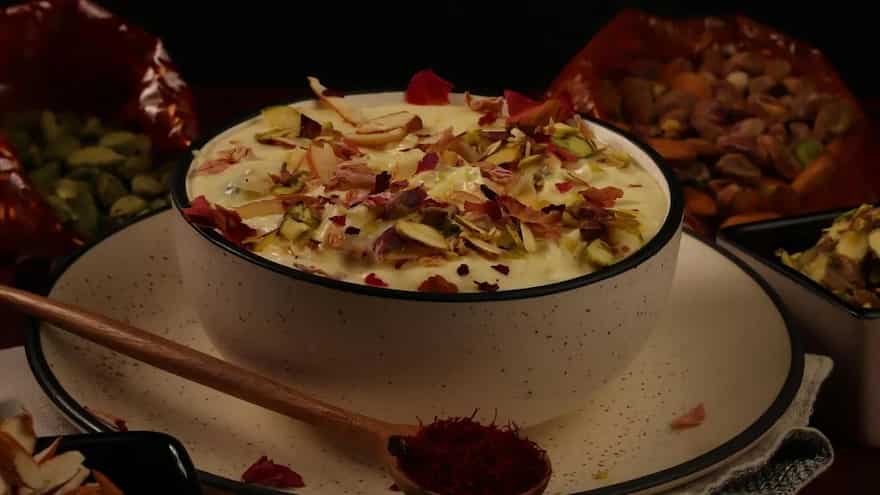
Image credit: Pexels
If you don’t have Usha’s Infrared Cooktop, Shop Now  .
.
Mastering Heat For Dairy Reduction
One of the primary challenges of making kheer is the tendency for milk solids to stick to the base of the pan and burn. Infrared technology mitigates this risk by providing radiant heat that is distributed evenly across the flat bottom of your cookware. Instead of the hot spots often found on gas burners, the cooktop maintains a stable environment that encourages the milk to reduce and thicken through evaporation rather than intense boiling. Set your cooktop to a medium-low power level once the rice is added. This low and slow approach, supported by the precision of digital heat settings, allows the natural sugars in the milk to caramelise slightly, giving the kheer its characteristic off-white, ivory hue.
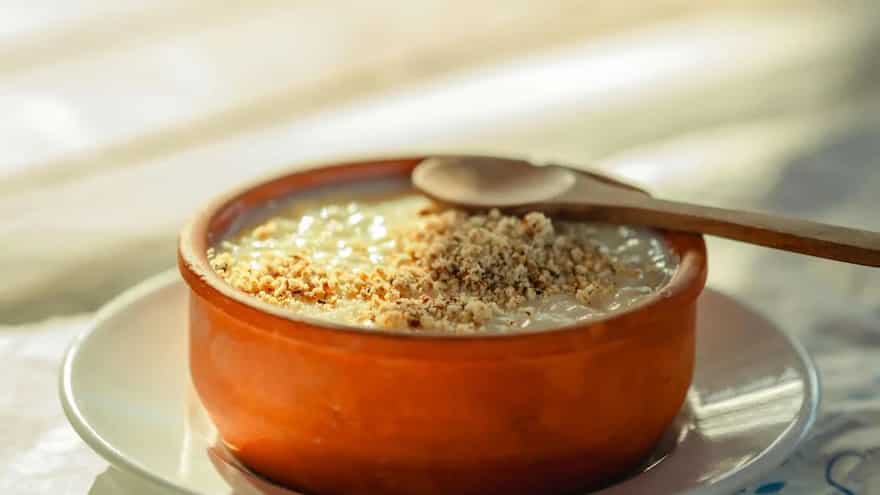
Image credit: Pexels
The Role Of Crumpled Mawa
The addition of Mawa (khoya) is what distinguishes this recipe from standard rice pudding, providing a rich, grainy texture and a concentrated dairy flavour. For the best integration, grate or crumble fresh, unsweetened mawa into the pan only once the rice is fully cooked and the milk has reduced by about a third. The infrared cooktop’s steady thermal energy helps the mawa dissolve smoothly into the mixture without forming stubborn clumps. As the mawa melts, it adds a layer of danedar (grainy) complexity that mimics the result of hours of traditional reduction. This is also the ideal time to add your sugar, as the mawa provides enough body to prevent the sugar from thinning the consistency too much.
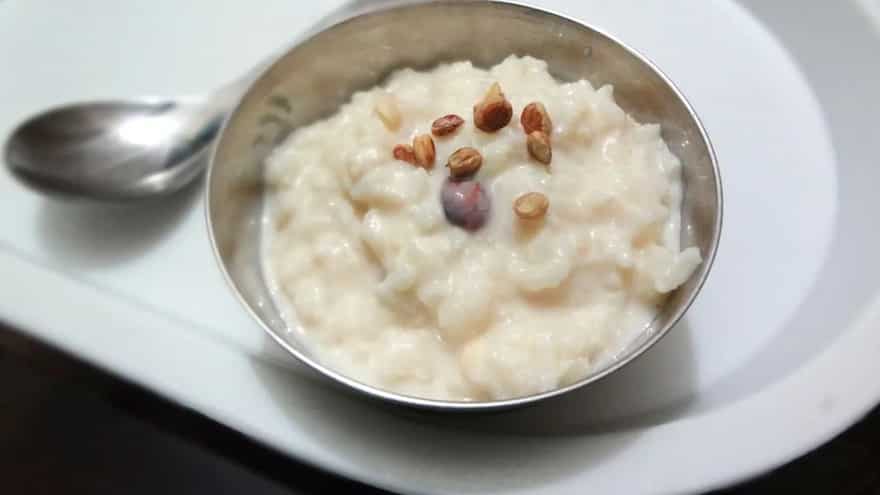
Image credit: Wikipedia
Infusing Saffron And Aromatic Spices
Festive desserts are defined by their fragrance, and Baisakhi kheer relies heavily on the floral notes of saffron and the warmth of green cardamom. To maximise the saffron’s impact, soak a few strands in a tablespoon of warm milk for ten minutes before stirring it into the kheer. The infrared surface keeps the pan at a temperature that is high enough to activate the essential oils in the cardamom powder but low enough to prevent the delicate saffron aroma from dissipating. This stage requires minimal cooking time; once the aromatics are in, the kheer should only remain on the heat for another two to three minutes to allow the flavours to marry without becoming over-concentrated or bitter.
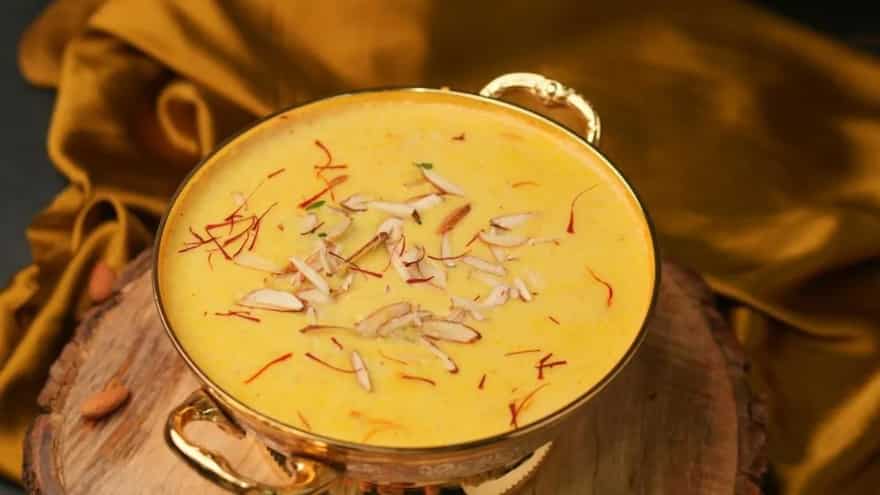
Image credit: Pexels
Achieving The Final Texture And Garnish
The final consistency of a Mawa Kheer should be pouring thick, it will continue to set as it cools, especially with the addition of mawa. Use the cooktop’s timer function to ensure you don’t over-reduce the mixture, as a kheer that is too thick can lose its silken appeal. For the garnish, flash-fry slivered almonds, pistachios, and cashews in a separate small pan on a quick infrared setting to enhance their crunch. Folding half of the nuts into the kheer and reserving the rest for the top provides a satisfying contrast in every spoonful. Whether served warm to celebrate the spring morning or chilled for a late-afternoon treat, this dish stands as a testament to how traditional flavours can be modernised with precision.




