


 Share
Share

Baisakhi is one of the most lively harvest festivals celebrated in North India, mainly in Punjab. Celebrated in the month of April, it marks the commencement of the harvest season and has a deep cultural and religious significance. For farmers, this is a time of showing gratitude towards nature and celebrating nature's bounty, whereas for the Sikh community, it also marks the formation of the Khalsa in the year 1699.
Like most of the Indian festivals, food plays a major role in the Baisakhi celebrations, and desserts, particularly, deliver warmth to the occasion. These baikskhi desserts are not just about indulgence, but include seasonal ingredients, local customs, and the pleasure of sharing food with your loved ones. Unlike everyday desserts, these have a rural, homemade charm, as they are rich in ghee, use mainly jaggery, and grains that connect directly to the harvest.
If you are looking to recreate the traditional Baisakhi desserts, feel at home. These traditional Baisakhi desserts give a mix of nostalgia, flavour, and also have simple cooking methods.
Meethe Chawal
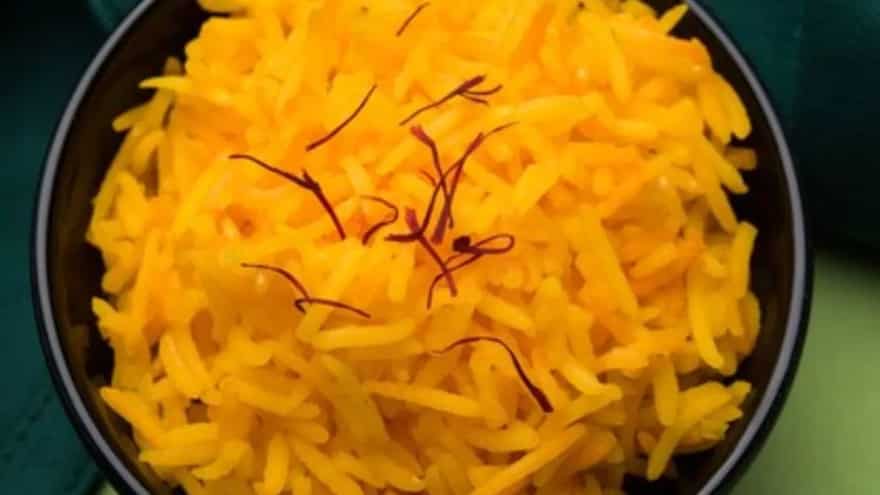
Meethe chawal is one of the most prominent Baisakhi desserts, which is often prepared to celebrate the new rice harvest. The dish, although easy, feels festive in every way. The rice is cooked in sugar, saffron, and ghee, giving it a golden tint and fragrant richness. What makes this particularly special is its balance; it is sweet but also not too overwhelming, having hints of cardamom and crunch from nuts.
To make the meethe chawal, toss the cooked rice in ghee, with sugar, and saffron-infused milk, and then gently simmer until flavours absorb. The grains remain separate, a bit glossy, and aromatic, with cardamom in it. It tastes warm, enjoyable, and celebratory in every bite, making it perfect for having after a hearty meal.
Kada Prasad
Mostly served in gurudwaras, kada prasad is deeply connected to the spiritual side of Baisakhi. Prepared with just whole wheat flour, ghee, sugar, and water, it is rich and also satisfying. The texture is smooth and a bit dense, having a melt-in-the-mouth consistency that feels both simple and indulgent.
The key is in patiently roasting the flour in ghee until it turns fragrant and light golden. Then, the sugar syrup is added, giving a glossy, soft texture. It is not too sweet and extremely comforting and is prepared in large quantities for sharing during festive gatherings.
Pinni
Pinni, although a winter staple, is also prepared during Baisakhi celebrations, particularly in Punjabi households. These laddoos are prepared with roasted flour, ghee, sugar, and chopped nuts, and sometimes ingredients such as gond (edible gum) or dry fruits to make them more decadent.
What makes pinni particularly special is its texture, a bit crumbly but rich, having a nutty depth that it gets from slow roasting. It is not too sugary or syrupy like other sweets and feels more wholesome. Making pinni involves roasting the wheat flour on a low flame patiently, until it creates a deep fragrance. The mixture is then shaped to make laddoos while it is still warm.
Phirni
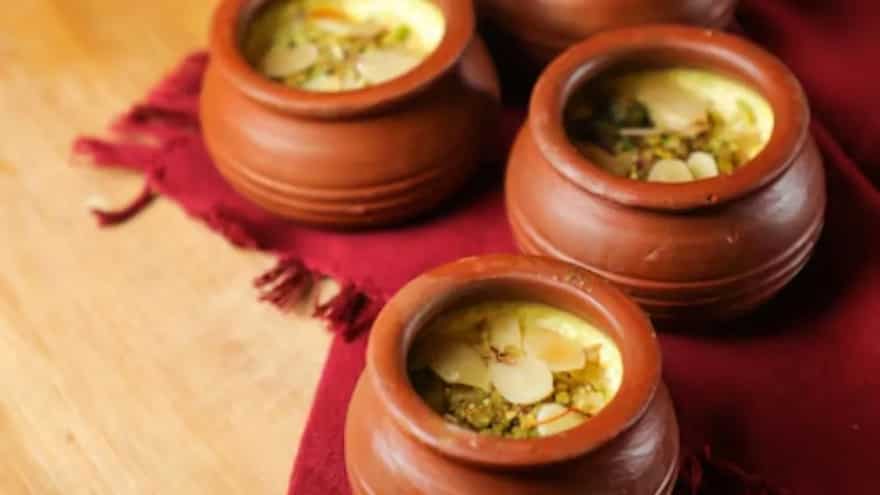
Phirni is a festive dessert that is cooling and has a silky, luxurious mouth feel, which makes it a perfect option for the April weather. Unlike the kheer, the rice is ground into a coarse paste in the phirni, giving the dish a smoother, thicker consistency. It is flavoured with cardamom and then garnished with chopped nuts and served chilled in small bowls or earthen pots to give it more depth.
To make it, add the ground rice slowly to the cooked milk until it gets a thick, creamy consistency. Add the sugar and flavourings only towards the end. The result you get is silky, a bit light, sweet, and extremely satisfying in every bite, particularly when served cold after a hearty festive meal.
Gur Ka Halwa
Gur ka halwa has an earthy sweetness of jaggery, which connects beautifully to the harvest theme of the Baisakhi festival. Unlike sugar-based halwas, this has a much deeper, almost caramel-like flavour that feels more rural and wholesome.
Making the gur halwa involves roasting wheat flour or semolina in ghee, then mixing it with some melted jaggery syrup. The fragrance is rich and a bit smoky, having a warmth that remains long after. It has less refined taste and feels more grounded, making it ideal for those who like traditional flavours that feel much closer to the origin.
Kheer
Kheer may appear to be very familiar, but during Baisakhi, it has a more celebratory vibe. Prepared by slowly simmering rice, milk, and sugar, it creates a thick, creamy texture with layers of flavour. Its slow cooking process is what makes kheer so special. The milk thickens by reducing, the rice turns soft, and everything mixes like a comforting dessert. Garnished with nuts and also flavoured with saffron, it feels rich and soothing with every spoonful.




