


 Share
Share

There is something deeply comforting about the way Indians talk about desi food. From recipes handed down through generations, to trusted neighbourhood shops, to the masala tin in every kitchen, to the milky paneer at your family table, food, in India, is rarely just food. It is memory, identity, hospitality and, quite often, trust. And that is precisely why recent food-safety failures deserve more than a passing headline or a quick glance. The point is not to make you suspicious of everything you eat.
Nor is it to turn every roadside meal into a potential crime scene. But you should learn to recognise a pattern. Especially because when food systems fail, the problem is often invisible until somebody raids a kitchen, tests a sample or follows a supply chain backwards. India's food culture is extraordinary, but the systems carrying food from farm and factory to kitchen and plate still have serious gaps and a lack of consistent quality. Here are five recent Indian food failure cases worth remembering and pondering over.
Maharashtra's 2026 Food Safety Crackdown
The most recent warning comes from Maharashtra, where Food and Drug Administration commissioner Tukaram Mundhe launched an aggressive but necessary inspection drive in 2026. Between 25 May and 31 July, officials inspected 3,137 hotels, restaurants, eateries and other food establishments. They seized or destroyed 28.66 lakh kg of unsafe food products, valued at Rs 55.72 crore, and suspended 165 licences. But what makes this particularly interesting is where the violations were found.

Image credit: Pexels
The inspections did not stop at anonymous roadside eateries. They reached organised chains, restaurants and quick-commerce infrastructure. Sources reported that inspections of warehouses linked to Blinkit, Instamart and Zepto uncovered issues including cockroaches, rodent droppings and poor sanitation; as a result, 12 warehouse permits were suspended. This should change one comfortable, common assumption: a familiar logo is not a food-safety certificate.
For consumers, the lesson is simple. A platform or restaurant's popularity, Instagram presence or delivery-app rating tells you something about its appeal and goodwill, but considerably less about the condition of its kitchen.
The Tirupati Ghee Laddoo Scandal
Few recent food controversies have carried as much emotional weight as the Tirupati laddoo case. In January 2026, the CBI-led Special Investigation Team filed its final chargesheet after investigating the allegations surrounding adulterated ghee supplied to the Tirumala Tirupati Devasthanams. The investigation found that the ghee was not genuine dairy ghee but synthetic material involving vegetable oils and chemical additives. Importantly, the chargesheet did not establish or assert the presence of beef tallow or lard in the samples tested.

Image credit: Pexels
And that distinction is crucial here. The original public controversy became entangled with allegations about animal fat, but the eventual investigation pointed to a different and equally troubling failure: fake ghee had entered a highly controlled food supply chain. The reported scale was tragically enormous, involving tens of lakhs of kilograms of adulterated material and multiple accused, including TTD officials as well as dairy experts.
This uncomfortable lesson extends well beyond religious food. If expensive ghee can be substituted with cheaper oils because verification, procurement and oversight fail, then the word ‘pure’ on a label is not enough. Know who made it. Know what the label actually says. And when buying high-value foods such as ghee, be wary of prices that seem implausibly low.
Paneer After 2025
Paneer feels like one of the safest foods in an Indian kitchen. It is familiar, vegetarian and protein-rich. Yet 2025 brought repeated warnings about fake and adulterated paneer. In Pune, authorities raided an illegal manufacturing unit and seized 1,400 kg of adulterated paneer, along with skimmed milk powder, glycerol monostearate powder and 718 litres of palm oil. The products were allegedly being manufactured for sale in local markets. But the wider picture was even more disturbing.
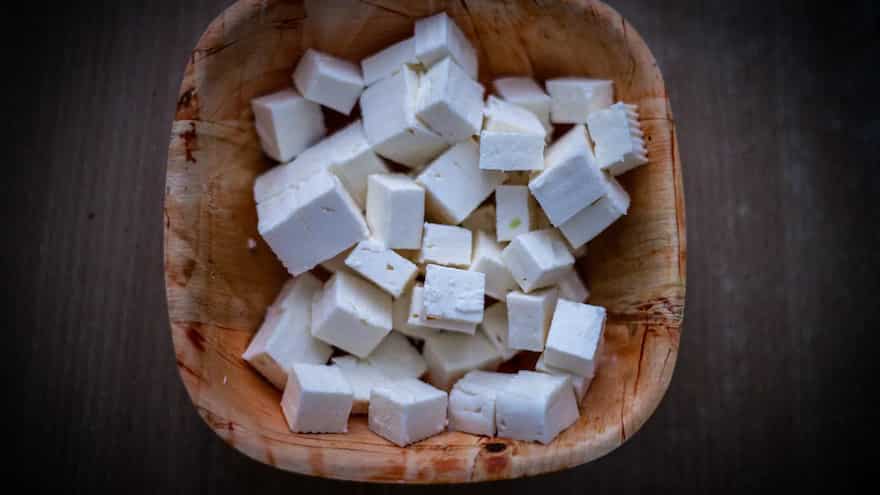
Image credit: Pexels
Food testing in Noida and Greater Noida found that 83% of the paneer samples (whose results had been received) failed quality standards, with 40% declared unsafe for consumption. This is where food fraud for the sake of profit takes an insidious turn. Plus, fake paneer does not necessarily look dramatically different from real paneer. It can be manufactured to resemble the colour, texture and appearance consumers recognise. So the useful takeaway is not avoiding paneer. It is to be more careful about anonymous bulk supplies, suspiciously cheap paneer and sellers who cannot explain where their dairy products come from.
MDH and Everest spices in 2024
In April 2024, Hong Kong authorities suspended sales of selected MDH and Everest spice products after detecting ethylene oxide, a carcinogenic substance, above permissible limits. Singapore also recalled Everest Fish Curry Masala, while regulators in other countries increased scrutiny of Indian spice imports. A lesson should be learned from this embarrassing matter because spices are not an occasional indulgence. Turmeric, chilli, coriander, and many other solo and blended masalas enter millions of Indian kitchens every day.
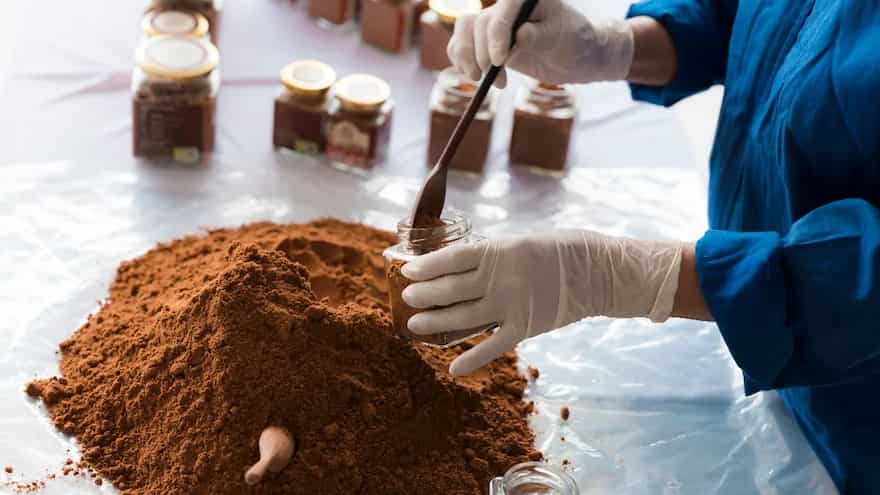
Image credit: Pexels
This incident was an export-reputation crisis as well as a domestic regulatory problem, and European authorities had already identified hundreds of contaminated food products linked to India in the preceding years. Here, the consumer takeaway is not to abandon Indian spices. It is to remember that ‘traditional’ does not automatically mean ‘safe’. So, buy your spices from traceable manufacturers, check packaging and batch details, and do not assume that a product is beyond scrutiny simply because it is a popular pantry staple.
Gujarat's adulterated spice raids
The same year brought another reminder that spice adulteration is not solely an export problem. In April 2024, Gujarat's Food and Drugs Control Administration (FDCA) raided four factories in Unjha and seized around 12,300 kg of adulterated cumin and fennel products. Investigators found inedible green colouring and other unsafe materials suspected of being used as adulterants.
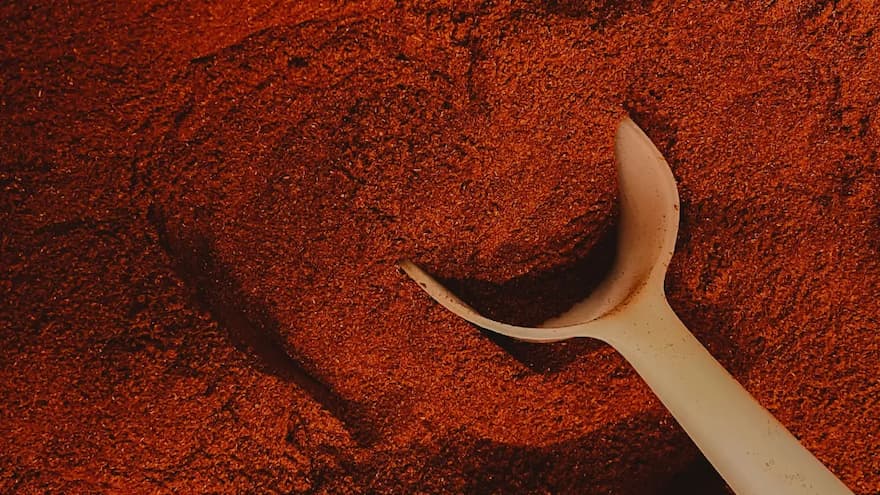
Image credit: Pexels
A separate May raid in Chhota Udepur seized another 4,027 kg of adulterated chilli powder, along with inedible red colouring and capsicum oleoresin. And this is the part that is hardest to ignore: adulteration often works precisely because it preserves appearances to near-perfection. The spice still looks vivid, the paneer still looks white, the ghee still looks golden.
Bottom Line
The larger warning from these five cases is not that Indian food is unsafe. It is that trust cannot be the only quality-control mechanism for the country. India's food regulator recorded 40,023 non-conforming samples out of 2,23,808 analysed in FY 2025-26, which is roughly one in five. For ordinary shoppers, that means becoming a little more observant, such as checking seals, labels, dates and manufacturers; being cautious about unusually cheap dairy, oils and spices; preferring traceable products; and paying attention when regulators issue recalls or advisories. Most importantly, do not let familiarity be joined by complacency. The beautiful thing about Indian food is how much trust it carries. So, it is now your responsibility to ensure that the trust is earned and, if possible, maintained, all the way down the supply chain.




