


 Share
Share

For decades the silent threat of adulterated food products and substandard pharmaceuticals hovered over Maharashtra without adequate resistance. Consumers unconsciously navigated a marketplace where everyday essentials could easily be tainted with hazardous chemical compounds. This concerning trajectory shifted dramatically following a sweeping regulatory offensive launched in May 2026. At the helm of this unprecedented structural recalibration is Tukaram Mundhe, a 2005 batch Indian Administrative Service officer who was newly appointed as the Commissioner of the Food and Drugs Administration. Born into a modest agricultural family in Beed and having cleared the highly competitive civil services examination with an all India rank of twenty, Mundhe brought a fierce reputation for strict administrative accountability to the agency. Widely known for facing twenty five transfers across his twenty one year career due to his uncompromising governance style, his arrival at the regulatory body marked an immediate departure from passive oversight to highly proactive enforcement.
The Statewide Inspection Blitz
Under his decisive leadership the regulatory agency initiated a massive statewide crackdown that fundamentally altered the relationship between enforcement bodies, commercial enterprises and public health protocols. In a matter of mere months the campaign crossed well over one thousand one hundred distinct inspections across multiple districts. The sheer scale of the intervention resulted in the staggering seizure of unsafe provisions worth nearly fifty crore rupees. Establishments that previously enjoyed operational impunity found themselves facing sudden regulatory audits, resulting in the immediate suspension of dozens of commercial licences and the filing of numerous criminal complaints against repeat offenders. This initial surge of activity set the stage for highly targeted operations across specific high risk sectors.

Image credit: Pexels
The Synthetic Milk And Dairy Crackdown
Nowhere has the intervention been more urgent or deeply resonant than in the complex dairy supply chain. Responding to alarming reports that a vast majority of tested samples completely failed basic purity metrics, Mundhe ordered intensive checks across regional dairies, processing factories and retail shops. The administration launched three hundred and sixty specific raids targeting synthetic milk production, resulting in two hundred and thirty five police complaints, over three hundred arrests and the permanent sealing of two hundred and seventy four illegal manufacturing units. Investigations in urban hubs like Goregaon, Mulund, Govandi and rural nodes like Manchar in Pune uncovered industrial scale operations blending skimmed milk powder with cheap vegetable oils and chemical emulsifiers. The regulatory net did not spare celebrated legacy institutions, as clearly evidenced when the historic Mumbai ice cream establishment K Rustom faced a licence suspension after inspectors found severe hygiene and compliance violations. Furthermore, the state executed a complete one year ban on the manufacture and distribution of analogue non dairy paneer to stop deceptive synthetic substitutes from ever reaching family dinner tables.

Image credit: Pexels
Quick Commerce And Dark Store Interventions
As consumer buying habits shifted decisively toward rapid digital commerce, regulatory challenges evolved simultaneously alongside them. The explosive growth of quick commerce platforms promising ten minute deliveries created opaque logistics nodes that initially escaped traditional local oversight mechanisms. The ongoing crackdown exposed significant, deeply concerning vulnerabilities within this digital ecosystem. During an unannounced inspection on August 7, state inspectors decisively suspended the food licence of a major Blinkit Commerce fulfilment facility located in Malad West. Investigating officials discovered alarming cockroach infestations, consumable food stored directly on the floor, heavily rusted storage racks and poorly maintained cold chain areas containing expired or tampered packaging. By striking heavily at these tech enabled supply chains, the agency firmly established that digital convenience cannot supersede basic statutory safety frameworks.

Image credit: Pexels
The Restaurant And Hospitality Blitz
The everyday dining landscape underwent a parallel reckoning as the administration turned its focused attention to conventional hospitality venues. During a concentrated three day enforcement drive in early August, diligent officials conducted comprehensive raids across sixty three distinct hotels, restaurants and highway eateries in Mumbai alone. This rapid operation resulted in thirty eight immediate improvement notices and seven outright operating licence suspensions. The crackdown quickly expanded well beyond the state capital, with authorities subsequently suspending the operating licences of twelve prominent hotels across Pune and Sangli following inspections that revealed severe hygiene breaches and pest infestations. This incredibly aggressive stance visibly changed operational behaviour across the hospitality sector, with terrified restaurant owners scrambling to upgrade kitchen sanitation protocols and pest control measures ahead of potential surprise audits.
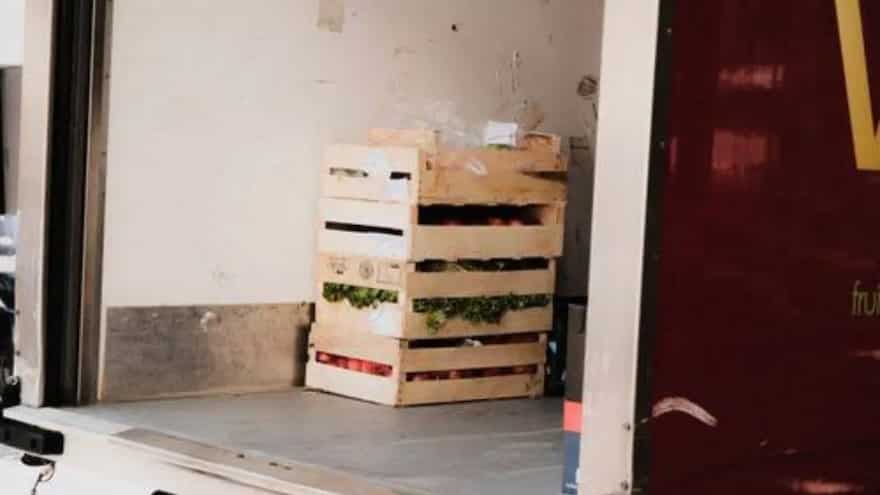
Image credit: Pexels
The Beed Edible Oil Seizures
The enforcement drive then pressed deep into the agricultural and food processing heartlands of the state, directly targeting the foundational ingredients used daily in everyday cooking. In the Beed district, coordinated regulatory teams executed a massive tactical operation resulting in the massive seizure of over one lakh nineteen thousand kilograms of suspected adulterated edible oil between August 6 and August 9. This specific intervention aimed to entirely disrupt clandestine operations that actively repackaged expired or deeply substandard cooking fats using counterfeit commercial labels. By aggressively confiscating such incredibly vast quantities of compromised oil, state regulators effectively prevented highly hazardous, oxidised lipids from silently entering local household kitchens and busy street food stalls, thereby averting widespread, long term cardiovascular health risks.

Image credit: Pexels
Packaged Water And Beverage Enforcement In Jalgaon
Simultaneously the resolute administration actively addressed critical, hidden vulnerabilities located deep within the public drinking water supply chain. During targeted enforcement actions in Jalgaon, vigilant inspectors discovered totally unregulated bottling plants operating entirely outside established safety parameters. Officials successfully seized over eighty seven thousand litres of packaged drinking water that failed to consistently meet basic micro biological safety standards. Many of these illegal industrial facilities were found to be filling unsterilised plastic bottles under terribly unhygienic conditions and applying completely counterfeit branding of popular national water labels. Shutting down these highly dangerous, illicit hydration networks proved absolutely vital in mitigating severe potential waterborne disease outbreaks during the vulnerable monsoon season.

Image credit: Pexels
Bakery Goods And Labelling Violations In Nagpur
In the eastern Vidarbha region, determined regulators intensely focused their strict attention on mass market bakery productions and deceptive synthetic dairy substitutes. Extensive co ordinated raids across Nagpur directly led to the massive confiscation of nearly ten thousand kilograms of commercial rusk due to blatant regulatory labelling violations and the illegal use of non permitted chemical additives. Concurrently, local regulatory officials proactively seized and completely destroyed thousands of kilograms of synthetic curd and heavily processed cheese analogue that were being deceitfully marketed as completely authentic dairy to unsuspecting consumers and local caterers. These highly targeted interventions rapidly forced regional commercial bakeries to strictly align their ingredient disclosures with rigid statutory chemical limits.

Image credit: Pexels
The War On Contraband Gutkha And Pan Masala
Moving beyond essential food staples, the administration directed immense administrative resources towards completely eradicating the highly illegal distribution of banned chewing tobacco and hazardous areca nut mixtures. Despite long standing strict state prohibitions, illicit gutkha and pan masala networks continued to massively thrive through complex shadow logistics. The sweeping August enforcement operations yielded massive regional contraband seizures, prominently including a single focused Mumbai raid that brilliantly captured banned dangerous substances worth over twenty lakh rupees. Regulators rapidly sealed multiple large distribution premises and permanently impounded high value transport vehicles actively used for smuggling, culminating in twenty two serious arrests. This specific aggressive crackdown severely crippled the financial logistics backbone of local contraband syndicates.
Pharmaceutical Integrity And Substandard Drugs
Equally critical to the broader campaign is the pharmaceutical wing of this vast regulatory overhaul, where vulnerable human lives directly hang in the immediate balance. India relies heavily on incredibly strict quality assurance systems, yet domestic medical supply chains remain perpetually vulnerable to severely substandard medications. In a highly prominent enforcement action, regulators permanently revoked the primary manufacturing licence of a major Pune based pharmaceutical company after rigorous testing confirmed persistent chemical contamination across six critical medicinal formulations alongside severe good manufacturing practice failures. Massive joint operations conducted across porous state borders also actively targeted sophisticated counterfeit medicine networks distributing fake life saving drugs heavily disguised under trusted multinational brand names, thereby powerfully safeguarding desperate patient welfare against extreme medical fraud.

Image credit: Pexels
Judicial Scrutiny And The Business Community Response
While the general public has broadly welcomed these highly stringent protective measures, the raw intensity of the aggressive crackdown has sparked incredibly heated debate within complex economic and judicial circles. Nervous business associations and prominent political representatives have frequently expressed deep concern over the shocking abruptness of the commercial closures, firmly arguing that small local enterprises urgently require reasonable administrative compliance windows to rectify minor procedural flaws before facing total ruin. Eminent judicial bodies have also carefully offered nuanced legal perspectives, strongly cautioning that state enforcement actions must always remain strictly proportional to the actual severity of the specific regulatory violation. Finding the perfect way of actively balancing immediate public health protection with slow due administrative process currently remains a highly delicate and intensely contested issue for all state regulators.
Modernising Systemic Oversight
The ongoing, incredibly fierce campaign powerfully orchestrated by Tukaram Mundhe clearly marks a deeply decisive departure from historically passive oversight toward highly proactive, highly visible modern governance. By bravely confronting deeply entrenched, highly profitable supply chain illegalities head on, the resolute administration has powerfully asserted that basic public health parameters are absolutely completely non negotiable under any circumstances. Moving swiftly forward, the progressive state must intelligently pair this aggressive street level enforcement with vital institutional modernisations, permanently including fully digitised supply chain tracking systems and massively expanded advanced laboratory testing infrastructure. Modern consumers are now incredibly increasingly empowered to demand significantly higher safety standards from both trusted legacy commercial brands and hyper modern rapid digital delivery platforms. This massive, fierce regulatory push essentially serves as a beautifully clear, incredibly powerful reminder that sustainable commercial economic growth and absolute consumer safety must necessarily progress strictly hand in hand.




