


 Share
Share

With the increase in festive demand, dairy products such as paneer, ghee and khoya are back under the spotlight for food safety. On August 15, the Uttar Pradesh government declared a statewide ban on the sale of analogue dairy products, such as analogue paneer, ghee and khoya. The announcement came as part of a crackdown on adulteration.
The move comes amid broader scrutiny of dairy analogues and adulteration. FSSAI has already instructed food businesses not to sell cheese analogues as paneer and has emphasised proper naming and labelling of it in the menu as well. Recent raids in Ghaziabad also resulted in the destruction of 868 kg of paneer and 170 kg of khoya over adulteration concerns.
For shoppers, this does not mean every loose block of paneer or packet of ghee is doubtful to use. But it does make one practice useful: look a little closer before buying. Here are some tips on what to look for while buying dairy products:
Read The Label Before Looking At The Price
When buying the packaged paneer, ghee or khoya, begin with the ingredient list instead of picking the cheapest option available. A real dairy product should be clearly recognised by its name and ingredients. This matters especially for analogues, as FSSAI has stated that a cheese analogue cannot be marketed or represented as paneer.
Food businesses are also anticipated to maintain records showing that their raw materials meet appropriate standards. If a product's name, ingredients or description feels a bit vague, pick another pack instead of thinking the lower price is just a good deal.
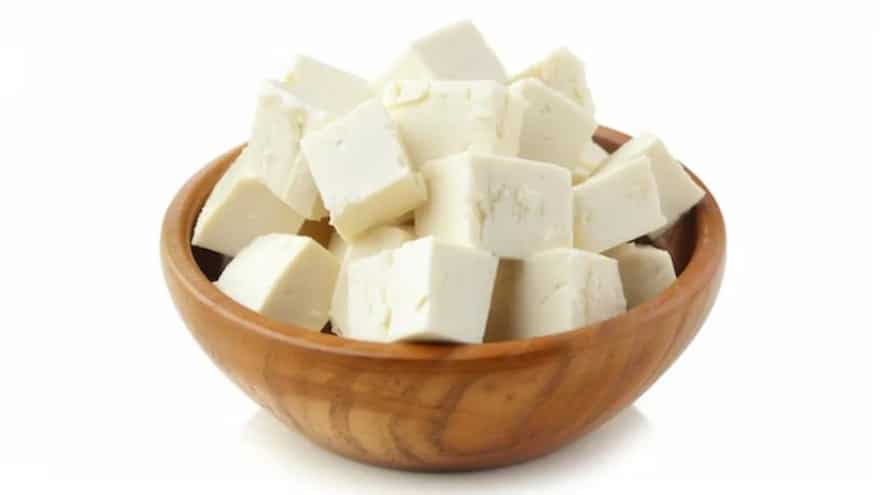
(Image credit: Freepik)
Don't Treat Colour As A Certificate Of Purity
That bright yellow ghee or perfectly white paneer may look reassuring, but appearance alone cannot verify authenticity. Ghee adulteration involves the addition of vegetable oils, and FSSAI surveillance has especially used beta-sitosterol as a marker for detecting vegetable-oil addition.
Likewise, paneer can look convincing even when its composition is distinct from traditional milk-based paneer. Rather than depending on the viral kitchen tests or evaluating colour alone, look for the label, manufacturer details and the origin. Laboratory testing, not appearance, is what can confirm whether a product satisfies the required needs.
Be Extra Careful With Loose Khoya And Paneer
Loose dairy can be more difficult to assess as there may be no exact ingredient panel to read. This does not mean loose products become automatically unsafe, but the source becomes much more important. In such cases, buy from a shop or dairy outlet you visit regularly, check if the product is being kept under suitable conditions and avoid anything that has an unusual smell, colour, sliminess or is kept poorly.
Khoya deserves particular attention during festivals as the demand rises sharply during festivals, and FSSAI has specified milk products like khoa and paneer among foods vulnerable to adulteration during the festivity.
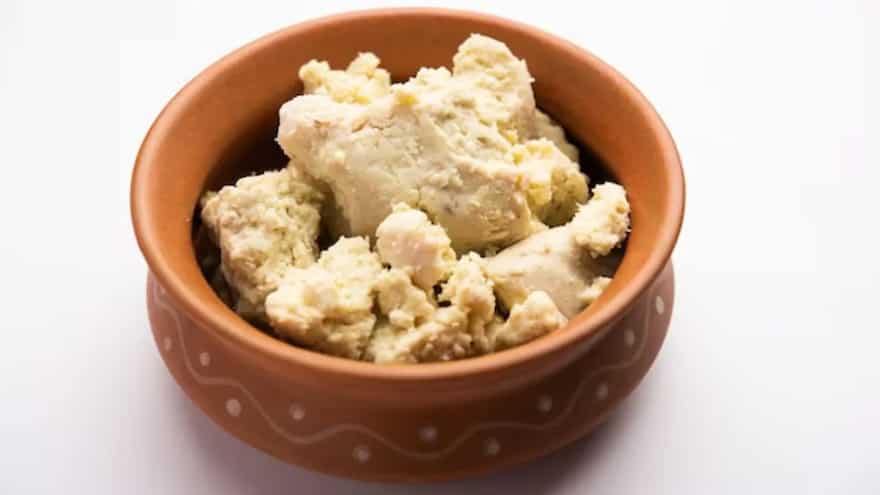
(Image credit: Freepik)
Check Storage, Freshness And The Date
Even an authentic dairy product needs suitable handling after it is made. For packaged products, review the manufacturing or packing date, best-before/use-by information and storage instructions before buying these. With paneer and khoya, look for suitable refrigeration where needed and avoid packs that appear to be swollen, leaking, damaged or tampered with from anywhere.
Once you bring it home, keep the product in the refrigerator rather than leaving it on the kitchen counter. A valid date is useful, but it cannot compensate for poor storage. The condition in which dairy is kept from shop to kitchen is characteristic of the food-safety chain.
Be Wary Of Products That Seem Unusually Cheap
Price is not a scientific test for adulteration, but an unusually low price can be a cause to pause and look for the product more precisely. Dairy products have authentic production costs, so a major price difference between seemingly similar products that deserves a second look at the label and seller.
This is particularly relevant for products that are being supplied to restaurants and caterers, where FSSAI has raised concerns about analogues that are used in place of dairy products without clear disclosure. If you are buying in bulk for the festival need, prioritise traceable sellers and appropriately labelled products over the cheapest choice.




