


 Share
Share

The Food and Drug Administration (FDA) in Maharashtra has instructed restaurants throughout the state to explicitly identify the use of analogue paneer and cheese on menus, invoices, and display boards beginning on May 1, 2026, in an effort to increase transparency in the foodservice industry. In response to worries about the widespread use of cheese substitutes without telling customers, the mandate applies to fast-food restaurants, hotels, caterers, and restaurants, as the authorities stated that such tactics frequently mislead guests to believe they are eating dairy-based paneer when, in reality, alternative ingredients are utilised.
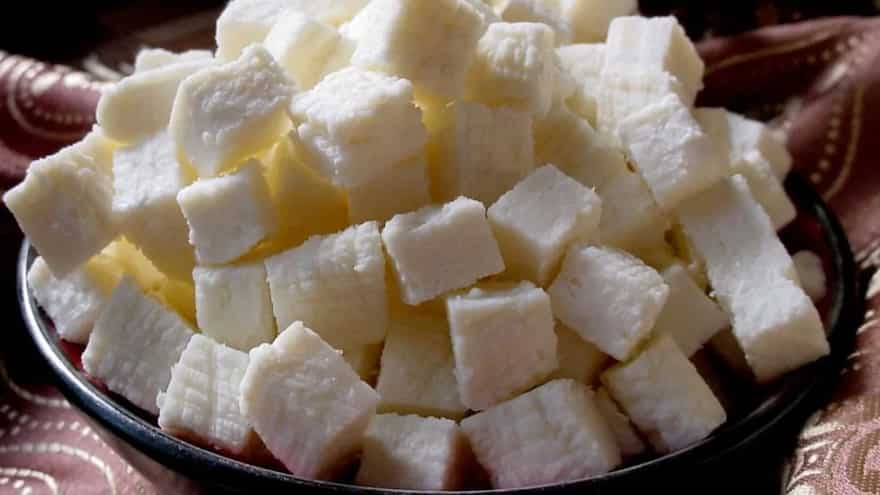
Image Credit: Flickr
Several high-end hotels have recently come under fire for allegedly putting fake paneer on their menus. Similarly, the Food and Drug Control Administration in Pune raided a plant and confiscated 1400 kgs of contaminated paneer, which was prepared using glycerol monostearate powder and skimmed milk powder. Such food safety campaigns in several states have shown the widespread availability of fake paneer, raising severe concerns about consumer safety and fair trade practices.
What Is Analogue Paneer?
According to the FSSAI document, “Analogue in the dairy context”, it states, analogue paneer is, “a product in which constituents not derived from milk take the place, in part or in whole, of any milk constituent(s) and the final product resembles, organoleptically and/or functionally, milk or milk product or composite milk product as defined in these regulations.”
It is basically meant to imitate typical dairy paneer in look, texture, and even flavour, but without utilising actual milk in its entirety. Instead of fresh milk, fake paneer is frequently created using cheap vegetable oils, flour, emulsifiers, and other additives, which helps generate the hard, white cubes that one associates with real paneer, but the nutrient profile is far from identical.
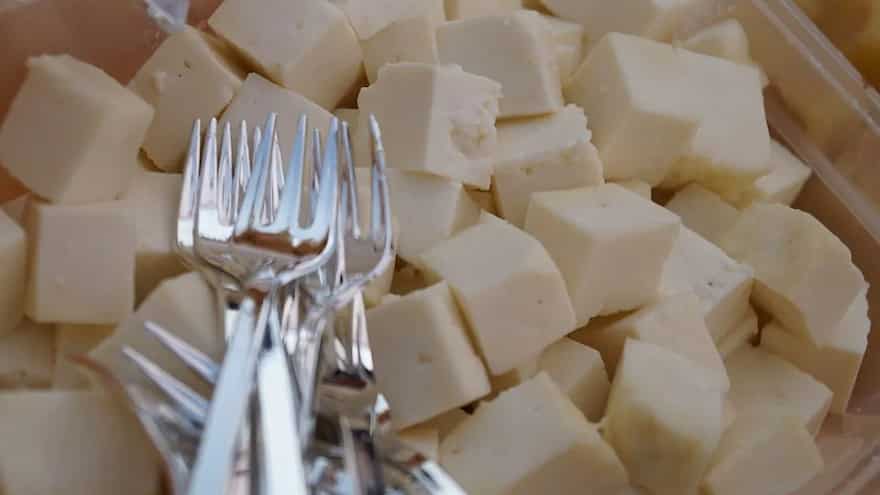
Image Credit: Wikimedia Commons
Selling analogue paneer is legal in India as long as the labelling complies with the relevant food safety and standards legislation and does not attempt to mislead the consumer into believing that the product is real paneer or a 'dairy product'.
Analogue paneer is much cheaper than regular paneer or cottage cheese, and it frequently sells for half the price of paneer. While dairy paneer may cost you approximately INR 450 per kg, analogue paneer is often priced between INR 200 and INR 250 per kg.
What Does The Analogue Paneer Mandate Convey?
Officials emphasised that a lack of transparency over ingredient usage has been a major issue, with customers frequently unable to discern between genuine paneer and its alternatives while dining out. The new regulation aims to close the gap by requiring clear labelling and communication at the time of sale. The decision also applies to producers and suppliers, who must guarantee accurate packaging and labelling in accordance with existing food safety standards to avoid misrepresenting analogue goods as dairy-based foods.
In basic terms, if a food product is not created using milk or a milk derivative, it cannot be classified as a dairy product, and so to clarify, cheese, chhana, paneer, cream, and other milk products are specified in the FSS Additives Regulations, and as a result, the name "paneer" is essentially limited to a milk-based product. A look at the requirements established in the FSS Additives Regulations to be followed for paneer includes a precise description of paneer, its basic raw materials, paneer's needed composition, permissible food additives, and so on. As a dairy food product, paneer's composition must meet the criteria established by the FSS Additives Regulations.
Analogue Paneer VS Dairy Paneer: How Are They Different From Each Other?
There are a few ways you can understand the difference between what’s fake and what’s dairy produced when it comes to paneer, which you can put to use for your own safe consumption:
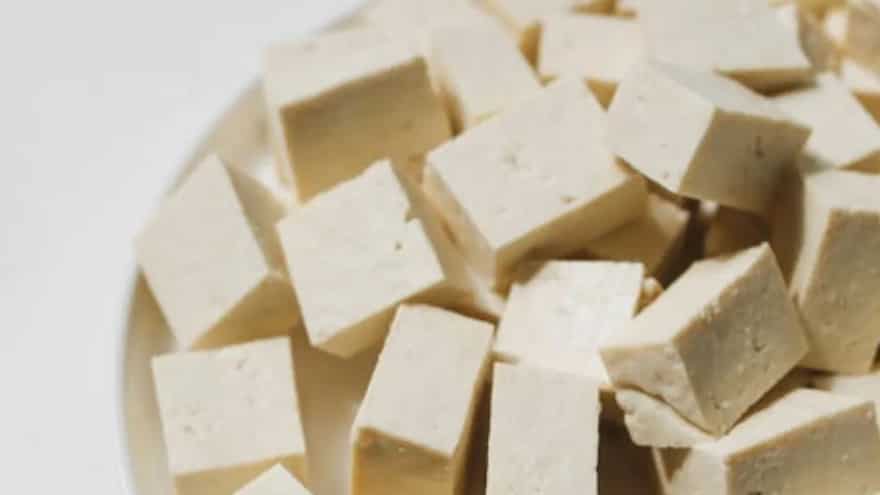
Image Credit: Pexels
Smell
Fresh paneer prepared from fresh milk oozes a subtle, pleasant, creamy fragrance, and if the paneer smells sour, too acidic, or has a strong chemical or detergent-like aroma, it is clearly adulterated. This might point towards the use of fake milk, spoiled components, or cleaning chemicals, which are occasionally used to increase shelf life.
Taste
Pure paneer has a clean, fresh, somewhat sweet flavour with a creamy texture, but when it comes to analogue paneer, on the other hand, it may taste bland, harsh, chalky, or have an unusual aftertaste. These flavour discrepancies are frequently caused by additional starch, coagulants or synthetic milk replacements used to bulk out the product.
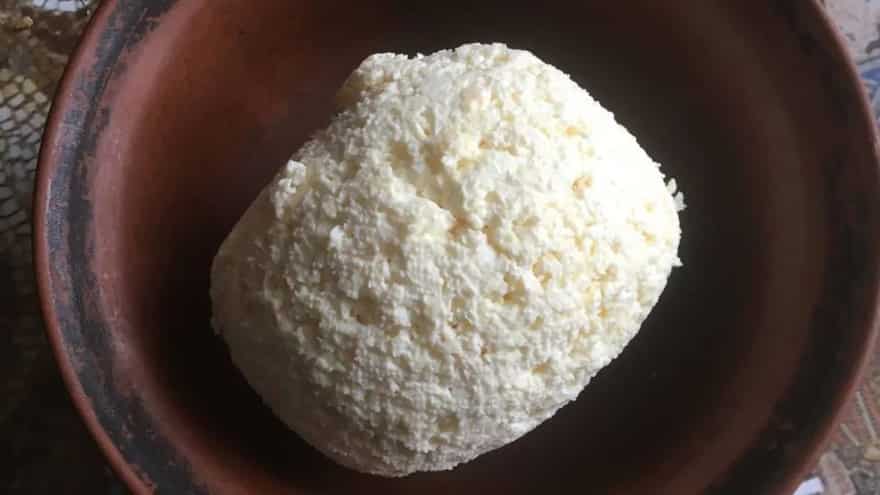
Image Credit: Wikimedia Commons
Texture
When you push dairy-produced paneer between your fingers, it feels soft, slightly wet, and crumbles or breaks almost immediately, and authentic paneer also has a noticeable graininess, particularly when produced using cow milk. If the paneer seems rubbery, too hard, or bounces back like plastic, it may be fake, and such a texture is caused by the addition of binding chemicals or solidified fats that resemble paneer but are not real.




