


 Share
Share

As mango season has started, the recent raids in Hyderabad have increased concerns about what you’re actually consuming. The Food Safety and Standards Authority of India recently held nearly 200 kg of mangoes that were artificially matured using extra chemical agents, which goes beyond the limits set by the authority.
While FSSAI permits controlled use of ethylene gas (which simulates natural ripening), the misuse of such chemicals, or, more harmful, banned substances such as calcium carbide, can have many health hazards. These shortcuts are usually used to meet the high market demand, which makes mangoes look flawlessly yellow and ready to consume, even if they do not turn naturally too soon.
The tough part? These mangoes do not always appear to be clearly fake. Many appear shiny, evenly dyed, and also tempting. But from within, they lack flavour or even have irritation, stomach discomfort, or worse, over time.
The good news is, you do not need to perform lab tests to spot the clear difference. With a few simple checks at home, based on how mangoes appear, smell, and behave, you can easily make better choices before you consume.
Check The Colour, Not The Brightness
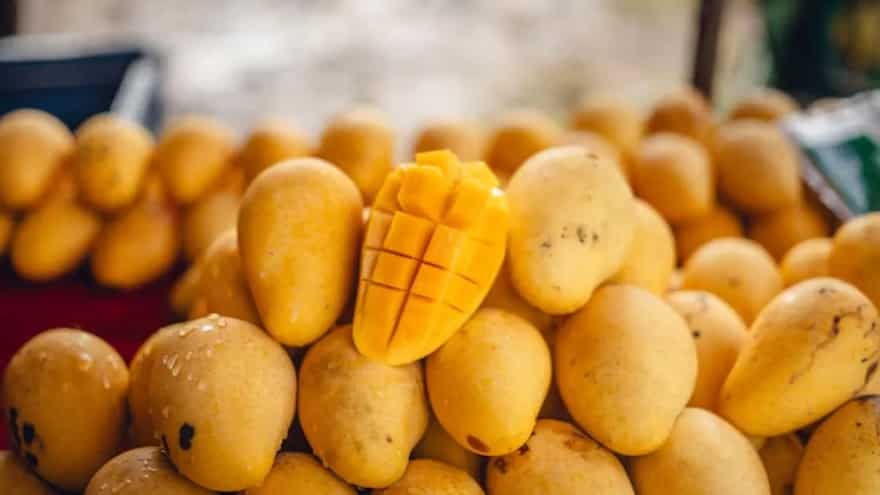
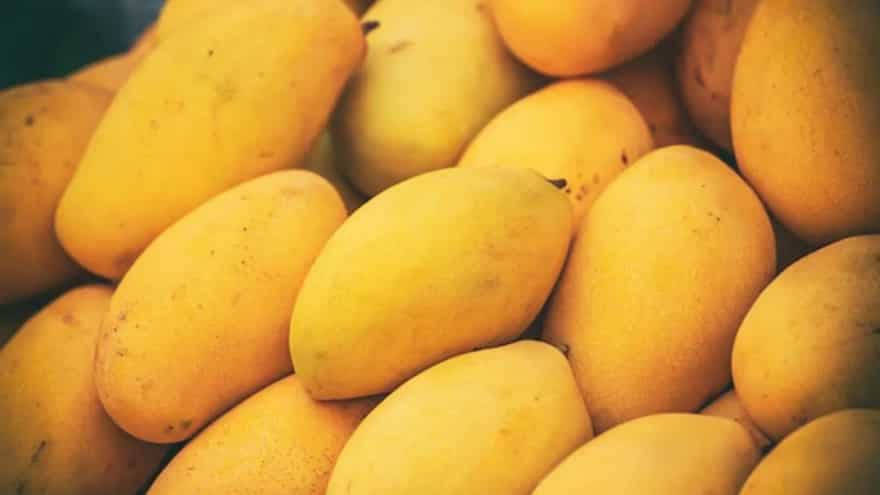
It is easy to believe that bright yellow mangoes are the best ones you can buy, but that’s not always right. Artificially ripened mangoes often have the same, almost too-perfect colour across the outer surface. On the other hand, a naturally ripened mango will usually have irregular shades, some green patches here, some yellow there, occasionally some slight spotting. That variation is a good sign of natural ripening of the mango.
When mangoes are ripened using chemicals, they reflect the usual colour change that occurs naturally. So rather than looking at how bright the fruit is, look for how balanced or uneven the colour is.
Pro Tip: If every mango in the stack looks the same shade of yellow, it's better not to buy.
(Image credit: Freepik)
Smell Before You Buy Or Cut
A ripe mango has a particular, sweet, fruity aroma, especially near the stem. This smell is created naturally as sugars develop during ripening. Artificially ripened mangoes, on the contrary, may have little to no aroma, or sometimes even a little chemical-like smell, which you can recognise easily. This is one of the easiest and most dependable tests you can do at home without cutting the whole fruit. If it doesn’t smell tempting, it likely won’t taste good either.
Pro Tip: At the same time, always smell near the stem end, that is where the aroma is most decisive in the ones that are naturally ripened mangoes.
Feel The Texture, Not Just The Softness
Many people think soft mangoes are ripe, but it is little known that texture matters more than softness alone. Artificially ripened mangoes can feel too soft or mushy in patches because the chemicals break down the internal structure unevenly. The naturally ripened mangoes feel a bit firm when pressed gently, not too hard, not too squishy. The softness has to be uniform and not patchy.
Pro Tip: Avoid mangoes that feel way too soft near the surface but hard within; it is often a sign of rough, artificial ripening.
Try The Simple Water Test
This is a quick test that you can try at home. Fill a bowl with water and place the mango within. Naturally ripened mangoes usually drop, whereas artificially ripened or chemically treated ones may sail. The reason is density here; natural ripening allows proper development of sugars and pulp, which makes the fruit heavier. Artificial methods can, however, disrupt this process.
Pro Tip: This test is not sure, but it’s a useful additional hack when mixed with smell and colour, and you can get confused.
(Image credit: Freepik)
Taste For Natural Sweetness
If you have already cut the mango, the taste can alone reveal a lot. Naturally ripened mangoes are sweet, a bit tangy, and feel balanced. Artificially ripened ones may be bland, too sharp, or leave an odd aftertaste. Sometimes, the inside may appear ripe, but it will not have that juicy richness you expect. This is not because the chemical ripening speeds up the appearance, but rather the flavour development.
Pro Tip: If A Mango Looks Good But Tastes Off, Trust Your Senses, Don’t Consume More Of It.
As the mango season is in full swing, a little awareness goes a long way. You do not need to stop enjoying the fruit, just be a bit more cautious while selecting it.




