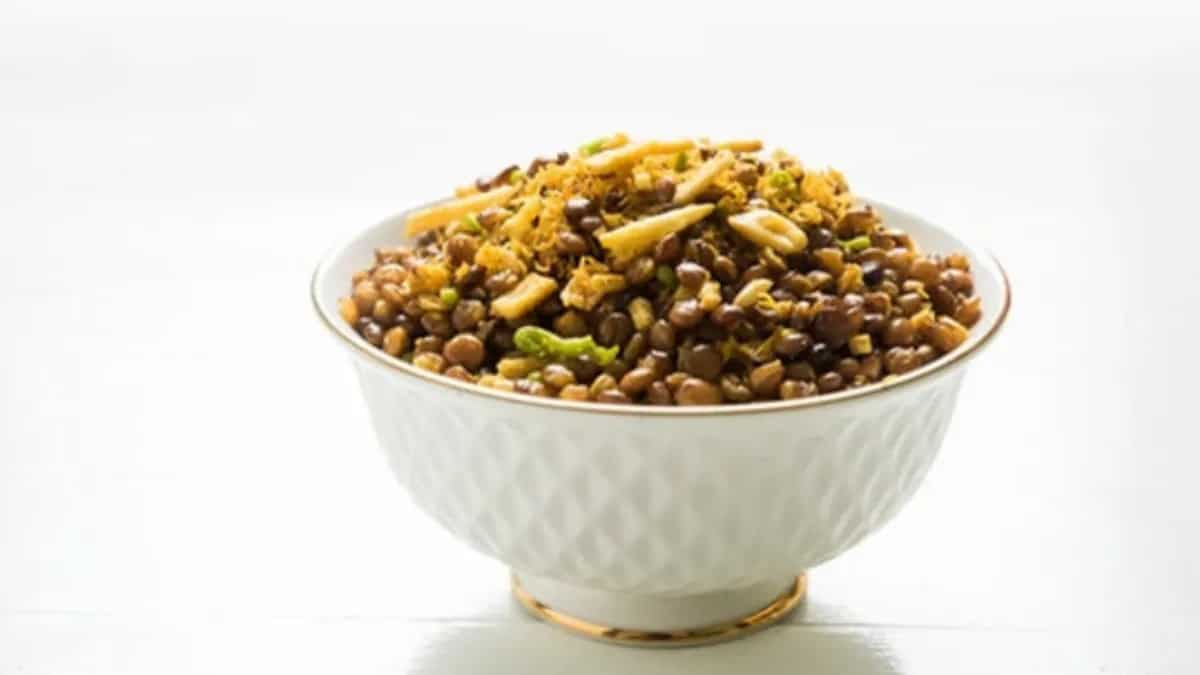
The arrival of 10 February brings with it a global celebration of the humble yet heroic legume. World Pulses Day this year carries a profound theme: Pulses of the World: From Modesty to Excellence. This sentiment resonates deeply within the Indian subcontinent, where pulses are not merely a source of protein but the very soul of the culinary landscape. Among the countless ways India has transformed these modest seeds into excellence, few snacks carry as much heritage and character as dal moth. This crunchy, spicy, and tangy mixture is a masterclass in texture and taste, representing a legacy that spans over a century of North Indian tradition.
The Historical Roots In The Heartland Of Uttar Pradesh
The story of dal moth is essentially the story of the dusty, vibrant plains of Western Uttar Pradesh. While many regions claim its parentage, culinary historians generally agree that its heart beats loudest in three specific cities: Agra, Farrukhabad, and Bareilly.
The origins of this snack are often traced back to the early 1900s. In the town of Farrukhabad, situated on the banks of the Ganges, a young man named Deshraj is credited with pioneering the home-made version of this mixture. His recipe was so captivating that it quickly gained a dedicated following, including the English officials stationed in the region during the colonial era. These officials were particularly taken by the sharp kick of the spices balanced against the earthy crunch of the fried lentils.
Image credit: Adobe Stock
Simultaneously, the city of the Taj Mahal, Agra, was carving its own niche. The legendary establishment Bhimsain Baijnath has a recorded history of over 158 years, maintaining a legacy that has made Agra dal moth a globally recognised brand. It was in these narrow lanes that the snack evolved from a domestic preparation to a commercial powerhouse. Over decades, the families of these early pioneers migrated to other parts of India, carrying their secret spice blends and frying techniques with them, thus spreading the gospel of dal moth across the country.
A Symphony Of Flavour And Texture
To understand why dal moth has stood the test of time, one must dissect its complex flavour profile. At its core, the snack is a marriage of two distinct elements: the pulse and the savoury strands of chickpea flour known as sev.
• The Pulse Component: Traditionally, the snack uses either moth beans, known scientifically as Vigna aconitifolia, or whole masoor dal (red lentils). These are soaked for several hours, dried meticulously, and then deep-fried in pure desi ghee or high-quality vegetable oil until they achieve a glass-like crunch.
• The Sev: Fine, thread-like strands of besan (gram flour) are fried until golden. In the authentic Agra style, this sev is exceptionally fine, providing a delicate contrast to the hard bite of the lentils.
Image credit: Adobe Stock
• The Spice Blend: This is where the excellence mentioned in the 2026 theme truly shines. The seasoning is a sophisticated mixture of black pepper, amchur (dried mango powder), kala namak (black salt), and a generous hint of hing (asafoetida).
The result is a snack that hits every part of the palate. You first experience the heat of the black pepper, followed by the tartness of the mango powder, and finally the deep, earthy richness of the fried pulses. It is addictive, satisfying, and uniquely Indian.
Popularity In Uttar Pradesh And Beyond
In Uttar Pradesh, dal moth is not just a snack; it is a gesture of hospitality. No guest is served tea without a small bowl of this crunchy mixture. Each city in the state offers a subtle variation that reflects local preferences.
In Agra, the focus is on a refined, peppery heat and the inclusion of premium additions like musk melon seeds and cashew nuts. Bareilly, on the other hand, is famous for a version that is often richer, using more aromatics and larger pieces of dry fruits. Farrukhabad continues to stay true to its roots by often incorporating alu lachha (grated fried potatoes) into the mix, creating a more voluminous and multi-textured experience.
Image credit: Adobe Stock
As the snack travelled out of the state, it adapted to local tongues. In Delhi and Punjab, it is often called dal biji. In West Bengal, the concept evolved into chanachur, which is significantly more mustard-heavy and includes peanuts. In the southern parts of India, it is frequently referred to as Agra mixture, a testament to the city that popularised it. Despite these regional iterations, the soul remains the same: a celebration of the pulse.
Modern Fusion Pairings For The 2026 Palate
As we celebrate World Pulses Day 2026, the way we consume dal moth can undergo a creative transformation. While the traditional pairing with a steaming cup of masala chai remains unbeatable, here are a few innovative ways to use this snack as a versatile ingredient.
1. The Dal Moth Bruschetta
Replace traditional Italian toppings with a mixture of finely chopped onions, tomatoes, green chillies, and a squeeze of lime, all crowned with a generous heap of dal moth. The crunch of the pulses provides an excellent counterpoint to the soft, toasted bread.
2. The Protein-Packed Salad Crunch
Instead of using croutons, which are often just empty calories, sprinkle dal moth over your Mediterranean or Caesar salads. It adds a spicy kick and significantly boosts the protein and fibre content of the meal, aligning with the nutritional goals of World Pulses Day.
Image credit: Adobe Stock
3. Dal Moth and Yogurt Parfaits
In a savoury twist on the breakfast parfait, layer thick Greek yogurt or hung curd with chutneys and dal moth. This creates a dish similar to dahi vada or papdi chaat but with a much higher focus on the whole pulse.
4. The Grilled Cheese Upgrade
For those who enjoy a bit of texture in their sandwiches, adding a layer of dal moth inside a sharp cheddar or mozzarella grilled cheese sandwich provides a surprising and delightful crunch that cuts through the richness of the cheese.
Image credit: Adobe Stock
Sustainability And The Future Of Pulses
Beyond the taste and the history, World Pulses Day 2026 serves as a reminder of the environmental importance of crops like moth dal and masoor. Pulses are nitrogen-fixing plants, meaning they improve soil fertility and require significantly less water than most animal-based protein sources. By choosing snacks like dal moth, consumers are supporting a food system that is both culturally rich and ecologically responsible. The journey from a humble home-made snack in Farrukhabad to an international export item from Agra exemplifies the theme of modesty to excellence. Dal moth is a celebration of Indian resilience, culinary brilliance, and the enduring power of the pulse.