


 Share
Share

Every year, World Pulses Day is celebrated on February 10 to spread awareness about the benefits of eating pulses and acknowledge their potential and role across the world and how it makes the environment more sustainable. Celebrating this day means celebrating what pulses bring to the table, irrespective of the meal you are having. According to the Food and Agriculture Organisation of the United Nations, World Pulses Day recognises the ‘fundamental role they (pulses) play in the transformation to more efficient, inclusive, resilient, and sustainable agrifood systems for better production, better nutrition, a better environment, and a better life, leaving no one behind.’ No matter what kind of diet you prefer, pulses help to add diversity and colour to it.
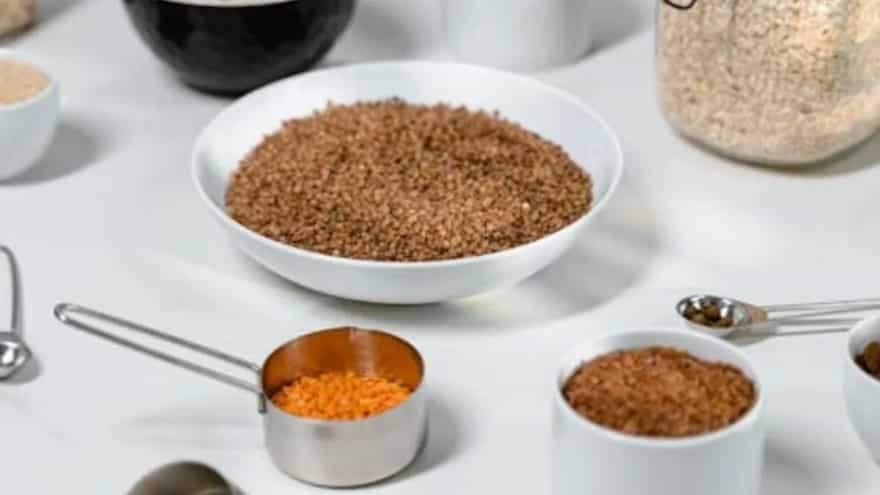
Image Credit: Pexels
Whether you are a vegan, vegetarian, non-vegetarian, or eggetarian, adding a variety of pulses can help you reduce food loss and waste while improving the nutritional quotient of your meals. They also have a long shelf-life, which allows you to stock them up in your pantry and use them for months. Nearly every cuisine has a unique method for transforming these basic ingredients into flavourful, cosy meals. They readily adjust to regional cooking techniques, customs, and spices. Pulses are still used to feed people all across the world, whether they are mashed, boiled, fried, or fermented. Here are some of the most popular ones to know about:
Dal, India
Dal is an essential dish that is eaten every day in many parts of India. From north to south, east to west, and every nook and cranny in between, dal is a beloved comfort food that is enjoyed by millions. Made from lentils, peas, or beans, dal is a rich source of protein, dietary fibre, vitamins, and minerals, making it a nutritious and wholesome addition to any diet. Dal is versatile and can be prepared in a variety of styles, each with its own unique flavours and aromas. From the creamy and buttery dal makhani of Punjab to the tangy and spicy kaali dal, the different styles of dal reflect the diverse culinary traditions of the country.
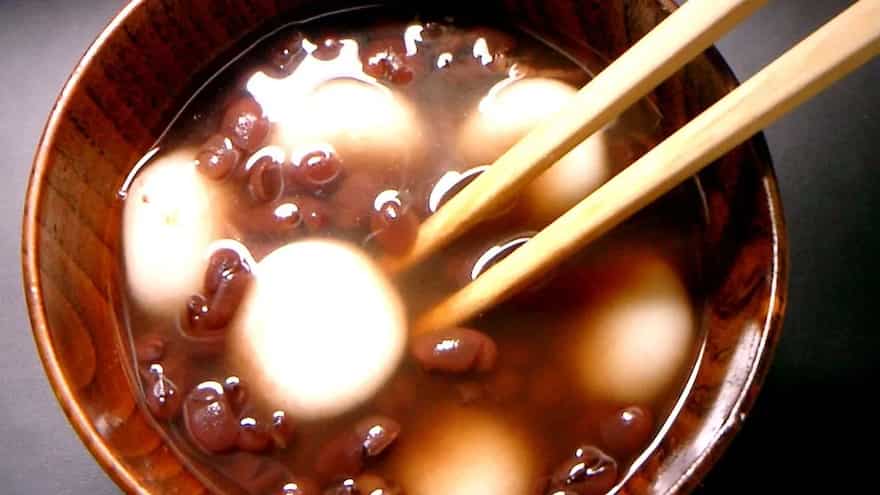
Image Credit: Wikimedia Commons
Anko, Japan
The fact that beans can be eaten as dessert in Japan typically surprises a lot of people. However, anko is a paste formed from red beans known as azuki, which has been a mainstay of traditional Japanese confections for ages. The flavour can be savoured on its own or combined with other Japanese dishes like mochi (sticky rice cake) or matcha (roasted green tea). According to legend, anko and other Chinese delicacies made their way to Japan from China in the seventh century. The term ‘anko’ at the time described the pork and vegetable filling found in Chinese buns. However, because red bean paste resembled the colours of the meat, Buddhist monks in Japan chose to use it as a substitute.
Sambar, India
Sambar not only has a rich taste but also is great for health. This lentil and vegetable combo recipe is said to have originated in India but is also cooked and loved by the people of our neighbouring countries, Sri Lanka and Myanmar (Burma). Sambar is believed to have its traces from Chennai, Tamil Nadu. The story behind the recipe goes as such that Maratha ruler Shivaji’s son, Sambhaji, created the dish when he himself cooked a dal recipe in the absence of his head chef. From there, this recipe spread all over the South Indian state,s including states like Maharashtra and nearby. Samba,r along with hot steamed rice, is a perfect meal combo in South Indian households and tastes heavenly.
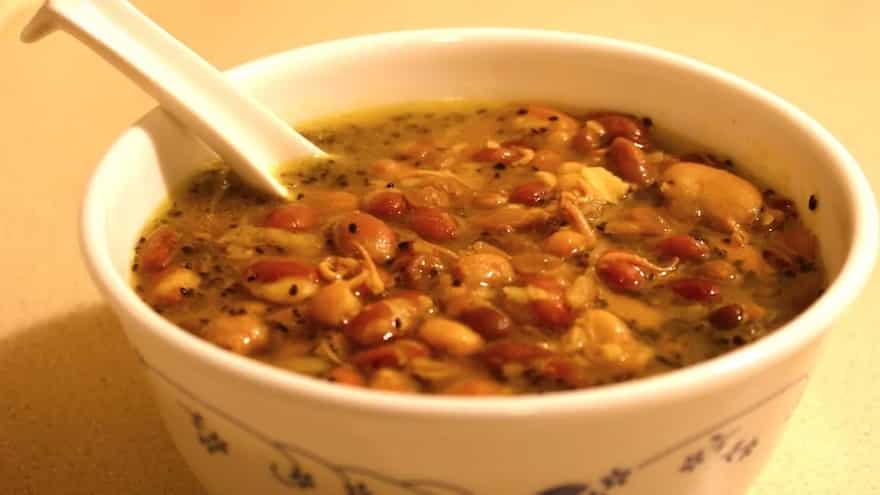
Image Credit: Wikimedia Commons
Kwati Soup, Nepal
Nine types of sprouted beans, including kidney beans, black-eyed peas, chickpeas, soy beans, mung beans, green beans, black beans, and white beans, are used in Kwati, a traditional colourful lentil stew from Nepal. ‘Kwa’ means hot, and ‘Ti’ means soup in the Newari language, which was brought by the nomadic Newar people of the Kathmandu Valley. It is a traditional Nepalese dish eaten as a delicacy and for its health benefits and ritual significance. They say that it cures colds, coughs and is one of the best foods for women during their maternity leave.
Hummus, Lebanon, Syria, Egypt & Israel
The intoxicatingly delicious concoction of garbanzo beans, tahini, lemon juice, and garlic, otherwise known as hummus, is a staple in many households around the world, whether you are fully vegan or simply love a healthy snack. It is an extremely creamy and rich dip that is traditionally made from chickpeas and consumed with pita bread. The combination of these two condiments makes for one of the most popular parts of the mezze platter.
Baked Beans, USA, Canada & England
The origins of baked beans are disputed. Some say that it originated in Native American cuisine, was made using beans indigenous to the Americas, and was later adopted and adapted by English colonists in New England in the 17th century. Yet others contend that this claim is apocryphal, stating that legumes and lentils prepared in various sauces had been a part of European cuisine long before the Middle Ages. Various legumes indigenous to the New England region of the United States are used to prepare baked beans in restaurants and homes in the same region today. Baked beans are an integral part of all barbecues in North America and are also a staple of Independence Day celebrations. Baked beans are also a common part of a full English Breakfast.
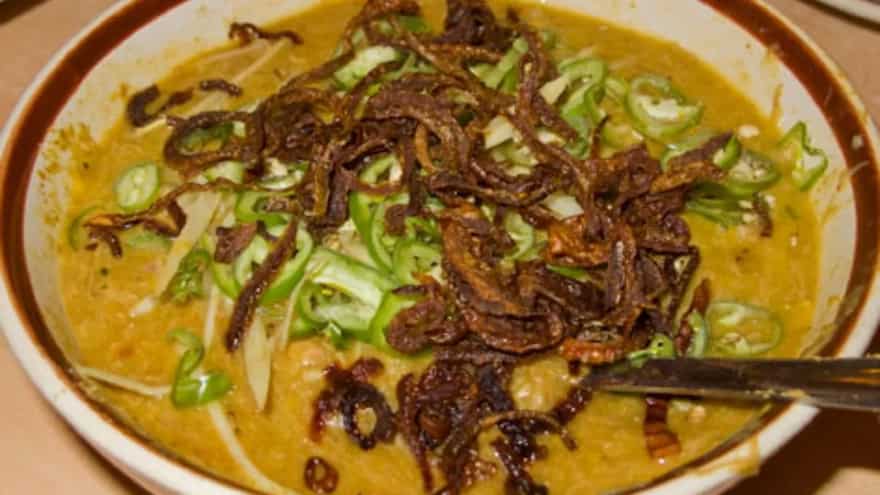
Image Credit: Wikimedia Commons
Haleem, Middle East, India, Pakistan & Bangladesh
The dish originated in the Middle East and was brought to the Indian subcontinent by Muslim invaders. Today, it is a popular delicacy in many countries, including India, Pakistan, Bangladesh, and the Middle East. The dish is prepared by slow-cooking a mixture of lentils, meat, and spices for several hours until it forms a thick paste-like consistency. It is typically served with a garnish of fried onions, chopped coriander leaves, and lemon juice. One of the unique aspects of haleem is its significance in Islamic culture. It is a dish that is often prepared during the holy month of Ramadan, when Muslims fast from sunrise to sunset and is also eaten to celebrate the coming of Eid. Haleem is an ideal dish for breaking the fast because it is high in protein, vitamins, and minerals, and provides the body with the necessary energy.
Cassoulet, France
The European nation of France is renowned for the care, love and skill that they lavish over every single morsel. With that reputation comes fierce territorialism, especially when it comes to the classics, and while you may imagine this means elite epicureans arguing over Michelin-starred dishes, it’s actually a rustic farmer’s dish of cassoulet that is often the most hotly debated. This cherished dish was originally the fare of peasants in southwest France, and all the ingredients were chosen accordingly. A simple assembly of whatever was available from sausages and meat scraps to white beans and gizzards, slowly cooked into a hot and flavourful stew.




