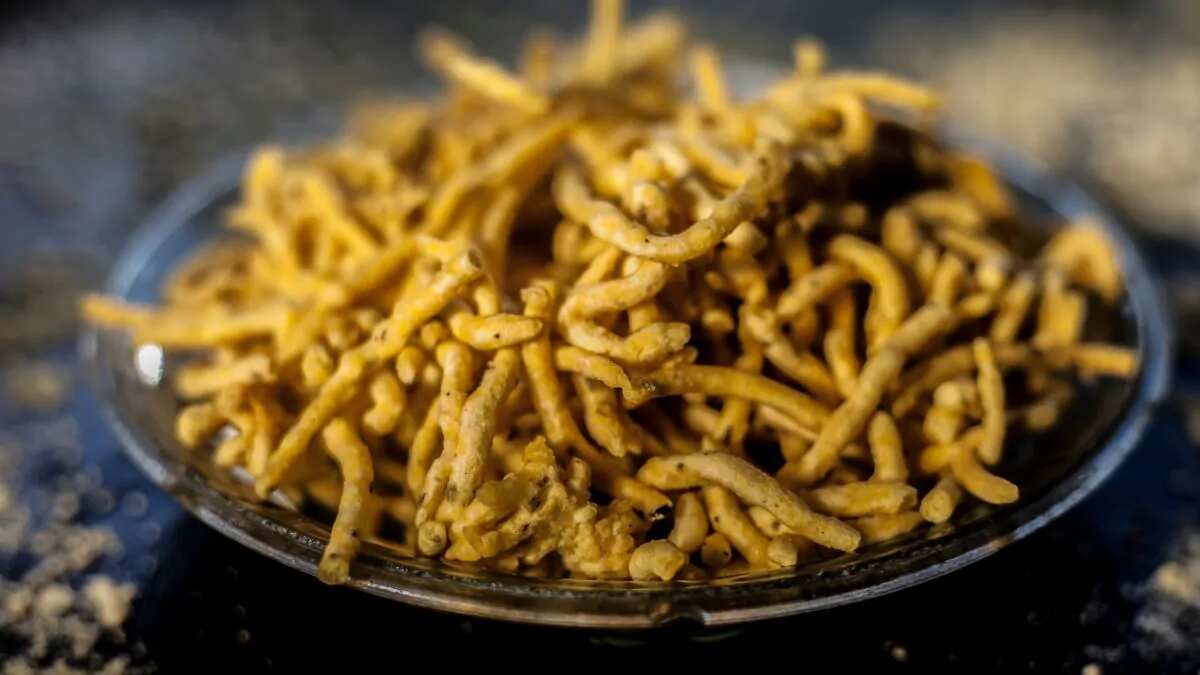
Some of the most enjoyable foods are not often derived from complex recipes but from everyday kitchen ingredients. Sundarkala is one such dish. It does not require any heavy spices, seasonings, ingredients or elaborate steps. Instead, it can be prepared with a simple wheat dough and everyday pantry staples. At first glance, Sundarkala may appear like plain noodles, but its charm lies in its simplicity.
Sundarkala is often prepared during cold weather. This pahadi staple is fulfilling, warm, and deeply satisfying. Every bite has the softness of wheat, the richness of ghee, and the taste of a mountain dish. If you like slowing down on a random day and cooking something that feels soft and simple amid a rushing day, Sundarkala is a must-try.
What Is Sundarkala?
Sundarkala is a hand-rolled wheat-based noodle that is referred to as a 'pahadi noodle.' Prepared from the simple atta dough, its shape is short with thick strands. It absorbs the flavour of whatever is paired with it, like ghee, dal, or the local vegetable curries. It is a comfortable, simple dish that is a staple dish during colder seasons in the hills. The name 'Sundarkala' imitates the handwork that is involved in shaping it. Traditionally, it is prepared fresh in the morning by rolling the dough into noodle-like strands by hand, without using any machines or moulds.
Why Is Sundarkala In The News?
Sundarkala recently made it to the news after it was served at Rashtrapati Bhavan during the At Home function on January 262026. Placing it in the Republic Day Menu emphasised diversity in India’s culinary traditions beyond just the famous cuisines that are known by many. Being served at such a prestigious function sparked discussions around forgotten foods of the hills, cooking methods, and how simple, day-to-day dishes also deserve mention, along with the ones that are already known.
The History Behind Sundarkala
Sundarkala has a home in the Garhwal region of Uttarakhand, where food has always been shaped by landscape. With limited availability of vegetables during the winter season and extended farming off-seasons, families heavily depended on wheat-based dishes that were fulfilling, sustaining, and could be made easily.
How To Make Sundarkala At Home
Ingredients (Serves 2–3)
1 cup whole wheat flour (atta)
½ tsp salt
½ cup water (approx, for kneading)
2 tbsp ghee (for serving)
Salt, to taste (for finishing)
Step-by-Step Method
Step 1
In a bowl, add whole wheat flour and salt. Knead water to make a firm but smooth dough out of it.
Step 2
Cover the dough and keep it resting for about 15–20 minutes. This will relax the gluten and will make the shaping process more comfortable.
Step 3
Divide the dough into small portions. Roll each portion between your palms to make thin ropes, roughly around the thickness of a pencil. Cut into short, noodle-like pieces.
Step 4
In a vessel, boil water to a rolling boil. Add the shaped Sundarkala and gently stir in between to prevent sticking.
Step 5
Cook for about 3 to 4 minutes, or until the pieces begin to float to the surface and turn soft. This signifies that they will be cooked.
Step 6
Drain the water and toss the hot Sundarkala with ghee and a pinch of salt. You can also add it directly to dal or light curry and serve it warm.