While the union territory has been an arena of conflict and long-standing dispute between India and Pakistan, we cannot overlook the rich cultural aspects of the people living there. If you have been holding a misconception that Jammu and Kashmir are the same thing, we’ll tell you otherwise. Kashmir has been in the limelight for various reasons in the past, particularly political.
Image Credit: Adobe Stock
However, the immense love that the feisty cuisine of the region has received across the country is no stranger to us, too. From the luscious curries, qaliyas and chammans to the assortment of breads, Kashmiri cuisine has largely been a meaty affair. On lazy afternoons, it is natural that you wouldn’t feel like cooking. You will either order in, and if that isn’t an option, bet that you’ll be on Google in no time, looking for easy and quick lunch recipes with minimum ingredients. The time is one constraint you look at, and the other is the ease of access to ingredients. But sometimes, being productive helps, and maybe this is a sign you should try something from the Dogri cuisine of Jammu itself?
A Brief On Dogri Cuisine Essentials
With its widespread popularity, it has been the subject of food connoisseurs' attention time and again. In this process, the humble cuisine of Jammu has not received as much attention. Yes, we are talking about the simple yet rustic fare of the Dogri community. A predominantly Hindu community with Aryan ancestors, Jammu and Kashmir was under their rule in the 19th century till India was divided. In fact, the community has been known for their strength, valour and courage.
Image Credit: Unsplash
While rajma was brought to India by the Portuguese, it has become an intrinsic part of the Dogri community along with long-grain rice and pomegranate. These elements are commonly found in most of their recipes. A perfect amalgamation of vegetarian and non-vegetarian dishes, the most prominent delicacy has to be the Khatta meat. It is one of the few staple curries where mutton is cooked along with pomegranate and lime juice. In Hindi, khatta means sour, and it is these elements that add a slight tanginess to the dish.
The tanginess is carried forward across the cuisine, where we can see chutneys and pickles like ambal being prepared with pumpkin and jaggery. The khatta-meetha taste goes well with steamed rice. Moreover, it is not limited to pumpkin alone. You can use other vegetables like brinjal to add to the sweet and sour treat. There is one particular dish that has the likeness of the entire country,y and it’s called auria. And why is it so? Read on to know more.
How Is Auria Made In Jammu’s Kitchens?
The cooking technique that is special to this cuisine is dhungar. The smoky flavours infused with the spices lend the recipes a distinct chalky taste. From the meaty dishes like the khatta meat to vegetables like kohlrabi are cooked using this technique. Apart from pomegranate (anardana), tamarind is another souring agent that is commonly used in the Dogri fare. Unlike the Kashmiri spread, which is incomplete without red meats, the Dogri community relishes a rather simple, homely, vegetarian meal. The flavours are quite basic yet have a rustic blend. Auria is one such vegetarian curry which is quite popular there. The curd-based curry has finely diced boiled potatoes as the main element, cooked in mustard oil along with fenugreek seeds. Since tanginess is an essential part of the Dogri palate, the curd used in this dish is also sour in nature.
A Declining Heritage Delicacy Of Dogri Cuisine
“My earliest recollection, I am not sure. But I remember it being a side dish with a waiting time, mostly made from small brinjals, being a different kind of spicy. I can tell about my latest memory, which is from probably 6 months to 1 year back, when I requested my mom to make it for me, and it gave me just the right amount of nostalgia. I have not had auria at anybody else's home as far as I can remember, only made by my mom,” recalls Dr Parul Gupta, a local of Jammu, now a resident of Pune, working as an oncologist.
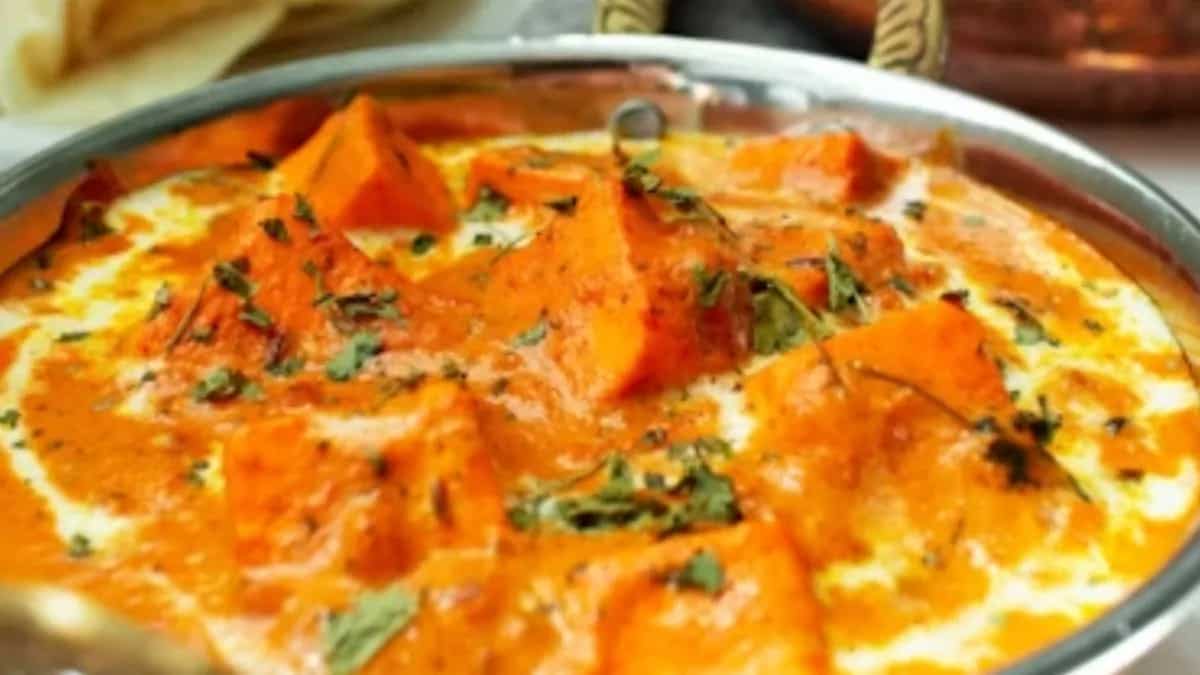
Made with a yoghurt base, the curry is creamy, smooth and fresh in taste. The tanginess of the curry comes from the use of fermented rye. It gives the dish a pale yellow colour that makes it almost like an Indianised version of mustard sauce. This traditional dish, celebrated for over 200 years, was once a centrepiece of festive tables and family gatherings. The spirit of Jammu's heritage was encapsulated in its rich flavours, which were blended with regional spices, slow-cooked meats, and fragrant herbs.
Image Credit: Unsplash
However, fewer people know how to make it and even fewer offer it frequently due to shifting lifestyles, urban migration, and the popularity of fast food. Once a symbol of cultural pride, auria curry now risks becoming a relic, preserved only in old cookbooks and the memories of those who grew up with its distinctive taste.
How To Make Auria Curry At Home For A Dogri Spread
To prepare auria at home, begin by whisking the curd until it becomes really smooth. Add some mustard powder to it and whisk all of it again to mix it well. For preparing the dish, ensure that you have this curd mixture prepared a day in advance because it will need some resting time too. Then, when you have to make auria, start with dicing potatoes into small cubes.
Next, toss fenugreek seeds in hot mustard oil and let them turn black. Now comes the stage where you throw in your diced potatoes along with salt, chilli powder and turmeric. Mix it all. Finally, pour in your whisked curd mixture and stir it. It serves as an accompaniment to chole, khameere, puri chana, chole bhature, or gheur along with jammu wale naan. Few people choose to eat it with rice, paratha, or ordinary dal roti.