


 Share
Share

India not only portrays diversity in its culture but also in its cuisine. Every region of this democratic country follows certain traditions and has its own way of preparing food. From Jammu and Kashmir in the North to Assam in the East, and Gujarat in the West to Tamil Nadu in the South, every state has a varied food culture and an array of lip-smacking delicacies to offer. In fact, you can witness multiple variants of the same dish in different parts of India. Food brings communities together and helps people look at others from their perspective. If you are a food connoisseur and think that you have discovered enough when it comes to Indian cuisines, you are probably mistaken. Let’s know about a few offbeat Indian cuisines that may not be popular but are worth noticing.
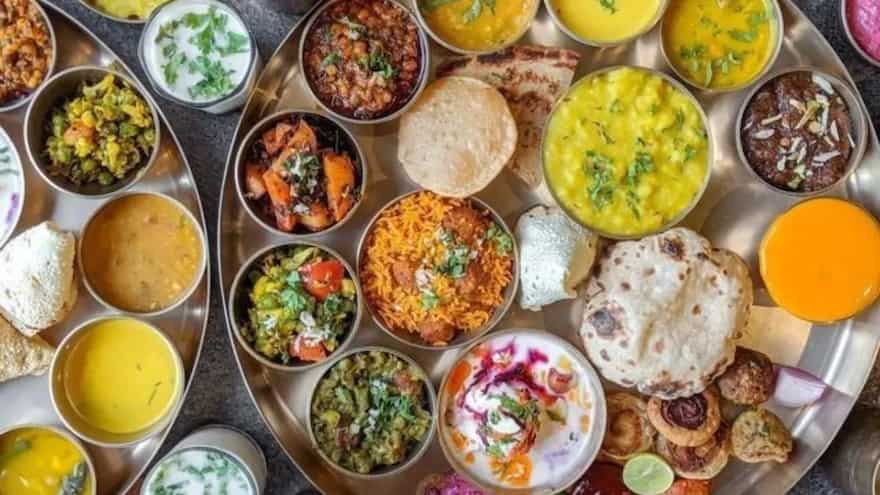
Image Credit: Adobe Stock
Kathiawadi Cuisine
Gujarati snacks like dhokla, thepla and khandwi are filled with rich and moreish flavours and are popular all over the world. However, very few people are aware of the delicious and generous thalis of Gujarat. One such thali is the Kathiawadi thali, which traces its origin to the Kathiyawar peninsula of Western Gujarat. Generally called the spicy cousin of Gujarati thali, Kathiawadi thali uses a generous amount of onion and garlic. While Aam Ras is an essential part of the Gujarati thali, this one has buttermilk or lassi as its opener. Are you already salivating? Well, you can make this cuisine at home. Most of them are usually served with roti, bhakri or bajre ki roti.
Dogri Cuisine
The Dogras or Dogra people are Indo-Aryan ethno-linguistic people who have been living in India and Pakistan and are known to speak a dialect called the Dogri language. These indigenous groups have been living in the Jammu region of Jammu and Kashmir, and in adjoining areas of Punjab, Himachal Pradesh, and North Eastern Pakistan. With their meal mostly focusing on wholesome grains and vegetables, and milk that they get from their petted cattle the clan takes delight in milk and milk products such as curd (dahi or matha), shash or lassi, cheese, butter, ghee, etc. The pahadi or the Jammu rajma (red kidney beans), as we know them, along with the anardana (pomegranate seeds), long-grained basmati, make for an integral part of Dogri food. Though the cuisine is predominant in Jammu, it also crosses the border and goes up to the Kangra belt of Himachal Pradesh.
Mappila Cuisine
Mappila food can be termed as a flavourful concoction of local dishes and borrowed cooking practices. The whole concept of Mappila Cuisine lies in the fundamentals of using different spices in different types of bananas, which are coconut-based curries and Kootans, which are yoghurt-based curries. Spices like cloves, cardamom, and red chilli are at the centre of this cuisine. The quintessential recipe of Mappila cuisine is undoubtedly the Tellicherry Biryani. It is very different from the Mughlai biryani, and there are specific steps that you need to follow to prepare this dish. Pathiri is also a very important part of the Mappila cuisine. It is a flatbread made from rice. Puttu is a dish that is very famous throughout Kerala and is made by layering meat or seafood, especially in the Mappila Cuisine. Rice and coconut are used to make this special dish. A special dish in the Mappila Cuisine is Muttu Sirka, which is a dish prepared by deep-frying rice and making egg pancakes along with some spicy scrambled eggs.
Kodava Cuisine
For the Southern town of Coorg in Karnataka, there's a very unique addition to this sour family in the form of Kachampuli, a part of the Kodava cuisine. The main characteristic of Kodava cuisine is the use of local and seasonal ingredients. The forests and paddy fields of the Coorg region are verdant, ensuring that there’s always plenty of fresh produce available throughout the year. Foraging is also an integral part of Kodava traditions, and Kachampuli is an essential ingredient in many of their signature dishes, including the famous Pandi Curry. Kachampuli has plenty of benefits beyond being a great taste enhancer. Like many acids, the fruit can be a great digestive, and some consider it to be an effective appetite suppressant and weight loss aid. It can be used in its fresh form, soaked and then cooked in a similar way to tamarind.
Khandeshi Cuisine
Many of the Khandeshi cuisine's dishes still reflect the Faruqi monarchs' famous fondness for spices. The Mughal Empire, which controlled India from the sixteenth to the nineteenth centuries, had a major impact on Khandeshi cuisine as well. The Mughal influence is particularly evident in the use of spices like saffron, cinnamon, and cardamom, which are commonly used in Khandeshi dishes. Khandeshi food was also greatly influenced by the Maratha Empire, which reigned over a large portion of India from the 17th to the 19th century. Many of the dishes from Khandeshi cuisine have their roots in the Maratha cuisine, who were famed for its love of spicy food. The area is renowned for its rich soil, which is perfect for cultivating a range of crops, including lentils, wheat, and millet. Consequently, these locally cultivated ingredients are used in numerous Khandeshi cuisine recipes. The emphasis on goat meat in Khandeshi cuisine is another distinctive feature. The area is well-known for its premium goat meat, which is used in kebabs, curries, and biryanis, among other delicacies.
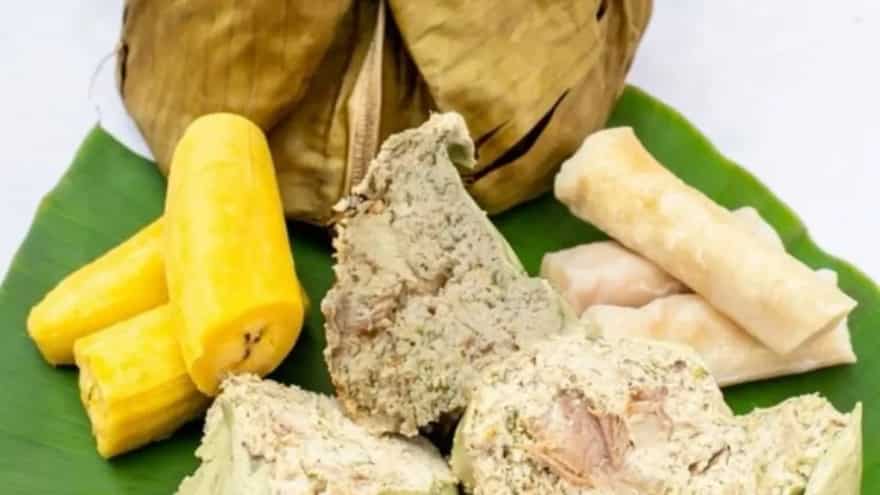
Image Credit: Wikimedia Commons
Garo Cuisine
The Garos, also known as Achiks, are Meghalaya's second-largest tribe. They are the dominant tribe and occupy most of the current Ampati Civil Sub-Division. This tribal culinary fare has evolved significantly throughout the years. Rice remains a staple dish, but they consume millet, maize, tapioca, and other grains and have a fairly diverse diet. The Garos raise goats, pigs, fowl, ducks, and other animals for consumption. Meat is still an essential part of the tribe's diet as hunters, although the days of sport hunting, elephants and even tigers are passed. As a result, their meals now primarily consist of chicken, pork, and fish. Their diet also includes fish, crabs, eels, and dry fish. Their jhum fields and forests supply a variety of veggies and roots for their cuisine. Bamboo shoots are considered a delicacy. The indigenous cuisine counts medicinal plants as an integral part. These herbs are added to dishes to help treat diseases such as headaches and high blood pressure. These meaty recipes are sometimes served with green beans or eggplant on the side and mini sticky rice steamed in banana leaves. Most foods are boiled or steamed rather than cooked with oil.
Tuluva Cuisine
Non-vegetarian meals predominate in this cuisine. Tuluva cuisine is a component of Mangalorean cuisine, which also includes Udupi and the cuisines of several Mangalorean communities, including Muslims, Christians, and Hindus, of which the Tuluva ethnic group makes up the majority. Kori Rotti, Bangude Pulimunchi, Beeja Manoli Upkari, Neer Dosa, Boothai Gassi, Kadubu, Chicken Sukka, and Patrode are some of the famous Tuluva foods. Tempering (tadka) in coconut oil with mustard seeds, curry leaves, dried red chillies, and garlic is one of the most distinctive Tuluva culinary methods. This serves as the foundation flavour for a lot of stir-fries and curries. Another important technique is grinding fresh masalas, which are thick, fragrant pastes made by crushing spices like coriander seeds, cumin, pepper, red chillies, and tamarind with coconut. "Sukka" cooking is a special method in this type of cuisine which items, usually vegetables or seafood, are cooked till dry with roasted coconut and spice paste. As a result, meals like chicken sukka, prawn sukka, and mushroom sukka have strong flavours and are semi-dry.
Kumaoni Cuisine
The Kumaon region of Uttarakhand is resplendent with picturesque landscapes, snow-capped mountains, verdant valleys, and beautiful lakes. The hill stations of Kumaon - which include Nainital, Bhimtal, Binsar, Kausani, Ranikhet, Mukteshwar, Almora, and Munsiyari - and their foothill areas, such as Jim Corbett National Park, have been the favourite haunts of tourists from the National Capital Region and the plains. The weather is magnificent, and nature’s splendour is at its best, leading to the popularity of the region and the influx of tourists rising every year. Yet, and incredibly so, an aspect that stays a secret from most visitors is the cuisine of Kumaon. Most hotels and resorts offer popular cuisines such as North Indian, Continental and Chinese, and still don’t carry Kumaoni dishes on their menu. The good-old pahadi food, with its purity of ingredients and authentic flavours, remains veiled and restricted to a few local restaurants, home stays, or the homes of people of the Kumaon hills. If the gourmet traveller in you is piqued, and you’re thinking of a trip up north, head to Kumaon and step into an authentic kitchen to savour these delectable Kumaoni dishes.




