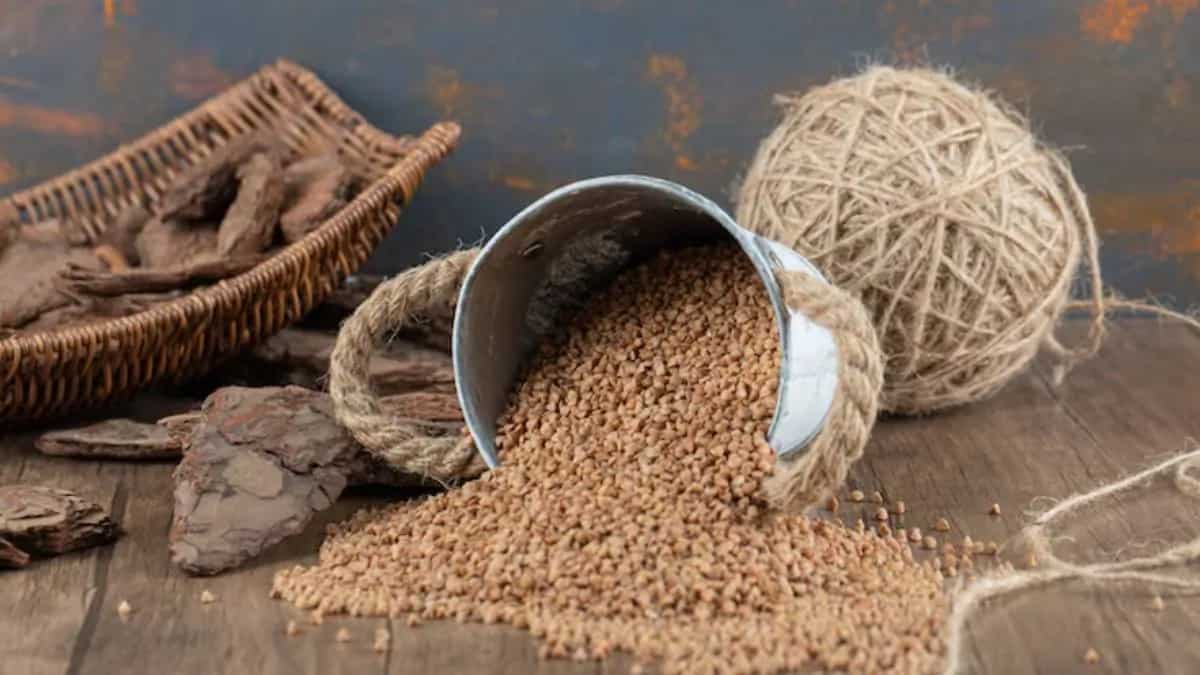
Winter naturally draws toward foods that feel grounding, warm, and extremely nourishing, and ragi fits into this rhythm perfectly. Long before superfoods were a trend, ragi was quietly ruling the winter kitchens with its earthy flavour, slow energy release, and comforting warmth. A bowl of ragi porridge on a foggy morning or a steaming ragi roti with ghee on a cold winter night feels less like a meal and more like self-care. Filled with calcium, iron, and fibre, ragi helps the body to stay strong when cold weather slows down the digestion and the energy level feels dropping.
What makes ragi special during winters is how versatile it is - soft enough for porridges, hearty enough to make rotis, and soulful enough for the traditional sweets. These dishes are not rushed, but they are cooked slowly, enjoyed warmly, and recalled fondly.
Ragi Mudde With Hot Saaru
Ragi mudde is winter comfort in its purest form, soft, earthy balls of finger millet that feel satisfying with every bite. Served with steaming hot saaru or rasam, this dish keeps the body warm from within. The dense texture of ragi mudde keeps you full for a longer time, making it perfect to have on cold mornings and long winter days. Traditionally hand-rolled and eaten warm, you cannot enjoy it as a rushed food, but bite by bite, slowly. Rich in calcium and iron, ragi mudde delivers sustained energy and warmth.
(Image credit: Freepik)
Ragi Ambli
Ragi ambli is a simple, nourishing drink that feels like a warm hug on chilly winter mornings. Lightly fermented, it has a mild tang that perfectly balances the natural earthiness of ragi. During the winter season, it is prepared slightly thicker and served lukewarm, sometimes with a tadka of curry leaves from the top or with a side of onion. The fermentation helps in digestion, which slows down during the colder winter season. This dish does not shout with flavour, but it relaxes you. It is the kind of winter food that quietly strengthens the immune system and keeps the body warm without being heavy.
Ragi Roti
Ragi roti is hearty and extremely satisfying, ideal for winter lunches. Prepared a bit thicker than regular rotis, it keeps heat longer and pairs beautifully with spicy chutneys, ghee, or curries. The slightly nutty taste of ragi becomes richer when cooked on a hot, sizzling tawa. Its high fibre content keeps the digestion stable, while iron and calcium make it a winter staple for strength and warmth. It is a simple food that has high comfort value.
(Image credit: Freepik)
Ragi Malt
Ragi malt holds childhood memories for many, particularly during winter. The sweet version with jaggery feels like dessert-meets-nutrition, whereas the savoury one with buttermilk and spices is calming as well as light. Served warm during winter, it is ideal for evenings when the cold peeps in and you want something nourishing without having to cook a whole meal. The smooth texture is easy on the stomach and deeply filling. Winter makes ragi malt taste even better, with the slow sips, gentle warmth, and a feeling of taking care of your body.
Ragi Dosa
Ragi dosa delivers warmth and comfort to the breakfast table during winters. Dark, crisp from the edges and soft inside, it has a deep, roasted flavour that regular dosas do not have. When paired with spicy chutney or hot sambar, this breakfast energises without being too heavy. During colder months, the batter ferments more slowly, which enhances the flavour naturally. Ragi’s warming nature makes the dosa perfect when mornings are foggy, and appetite is slow.
(Image credit: Freepik)