


 Share
Share

Across Indian homes, sweets form an essential part of festive cooking, carrying family traditions and regional tastes that have evolved over years of celebration. While the classic versions rely on frying in ghee or oil, modern kitchens are finding thoughtful ways to retain the taste and texture while reducing excess fat. Baking offers a reliable alternative that aligns with changing dietary habits and lifestyle needs. Using an Usha OTG, home cooks can control temperature and timing with better accuracy, allowing the sweets to cook evenly without becoming too greasy or overly crisp. With small adjustments to method and proportions, recipes like gujiya, gulab jamun and nankhatai can be made in the oven while maintaining their traditional appeal. Baking does not take away from their richness; instead, it allows the ingredients to shine in a balanced way that still feels festive and satisfying.
1. Baked Gujiya With A Crisp, Golden Shell
Gujiya has long been associated with Holi and Diwali, its crescent shape filled with a fragrant mixture of khoya, coconut, and dry fruits. Traditionally, these are deep-fried until golden, but baking provides a gentler approach. The dough can be made with a mix of refined flour and a small portion of semolina to retain structure. Once the gujiyas are shaped and filled, brushing them lightly with ghee before placing them in a preheated oven helps them turn evenly golden. Baking at around 180°C for twenty to twenty-five minutes achieves a firm and crisp texture without the heavy aftertaste of oil. The result is a pastry-like outer shell that feels light and flaky, holding its shape well even after cooling. Many home bakers also experiment by using desiccated coconut or jaggery for a slightly rustic filling, which complements the baked finish.
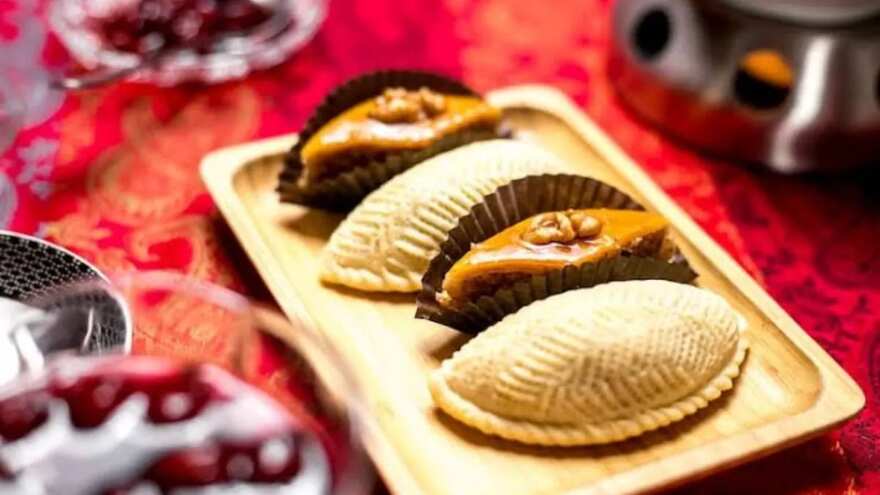
Image Credit: Freepik
2. Oven-Baked Gulab Jamun With Reduced Syrup
Gulab jamun is often linked to indulgence, but the baked version gives it a lighter identity while retaining its signature sweetness. The dough remains similar, made with khoya and a touch of flour, but instead of frying, the jamuns are baked on a greased tray until they reach an even golden colour. Once baked, they can be gently soaked in a warm sugar syrup that is slightly thinner than the traditional one. This helps them absorb sweetness without becoming too soft. The syrup can be infused with cardamom pods and rosewater for aroma, keeping the flavour authentic. While the texture differs slightly from the fried version, the baked gulab jamun holds together beautifully, with a smooth crumb and a gentle sweetness that does not overpower. Baking them also makes storage easier, as they stay fresh longer and do not turn soggy.
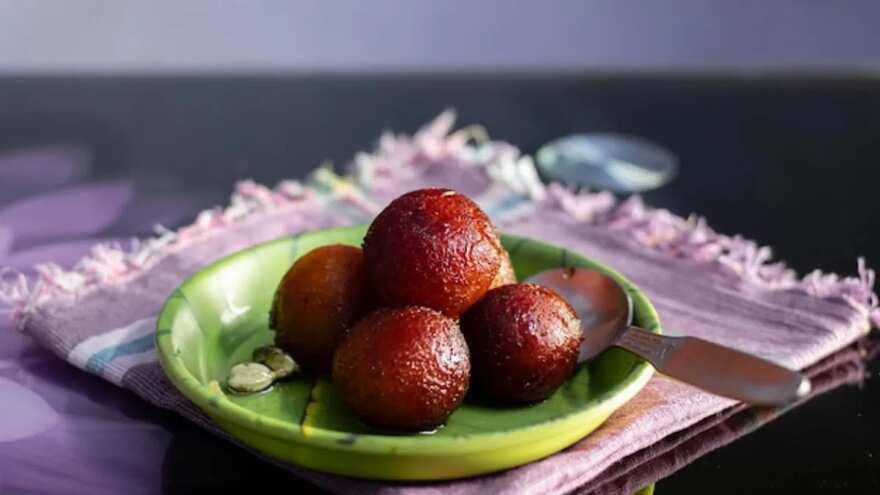
Image Credit: Freepik
If you don’t have Usha’s OTG, Shop Now 
3. Baked Rasgulla With Lightly Caramelised Edges
Rasgullas are typically boiled in syrup, but baked rasgullas offer an interesting variation inspired by the Bengali sweet baked rosogolla or “baked rasgulla pudding”. The base recipe begins the same way, using chhena (fresh paneer) that is kneaded until soft and smooth. After shaping and pre-cooking them briefly in syrup, the rasgullas are placed in a baking dish with a layer of sweetened condensed milk or light rabri. Baking at 180°C for around fifteen minutes helps the top layer caramelise slightly, creating a golden crust while keeping the interior soft. The result brings together the sponginess of the rasgulla with the richness of baked milk, turning it into a festive dessert that can be served warm. This method works especially well for gatherings, as it can be prepared ahead of time and reheated before serving.
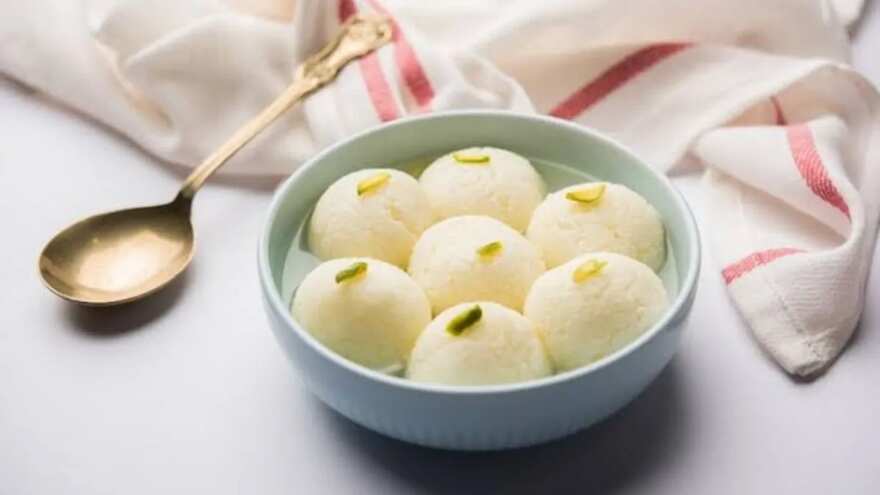
Image Credit: Freepik
4. Baked Nankhatai With A Buttery Crumb
Among Indian biscuits, nankhatai remains one of the simplest yet most loved. It is traditionally baked, but earlier versions often involved using tandoors or stovetop setups. The modern oven allows for more consistency in texture. The dough combines flour, semolina, ghee and sugar, blended until it forms a smooth paste. Baking them at 170°C for around fifteen minutes produces biscuits that are crisp on the outside and tender inside. The ghee ensures that they retain their signature aroma without turning oily. Some home bakers add a small pinch of cardamom or a few crushed pistachios on top before baking. Nankhatai pairs beautifully with tea and stores well in airtight containers, making it an easy choice for festive gifting. The baked version maintains its familiar warmth and comfort but with a lighter, more balanced finish.
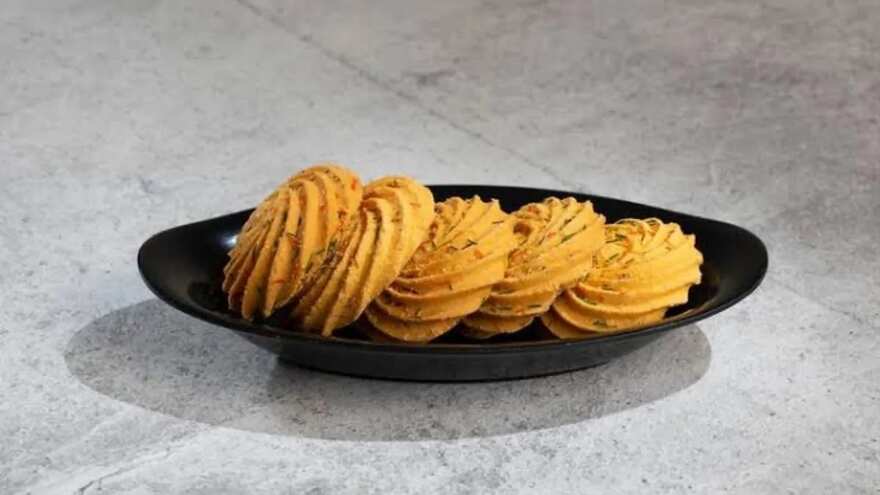
Image Credit: Freepik
5. Baked Modak With Coconut And Jaggery Filling
The steamed and fried versions of modak have long been part of Indian celebrations, but baking them gives an easy and less time-bound option. The outer shell can be made with whole wheat flour or refined flour combined with ghee. After stuffing the modaks with the traditional coconut and jaggery mixture, they can be brushed with milk for a gentle sheen. Baking them at 180°C for fifteen to twenty minutes results in golden modaks that hold their shape well and develop a delicate crust. The filling stays soft and moist, and the natural sweetness of jaggery deepens slightly when baked. This version travels well and can be made in batches, making it convenient for larger family gatherings or as festive offerings.
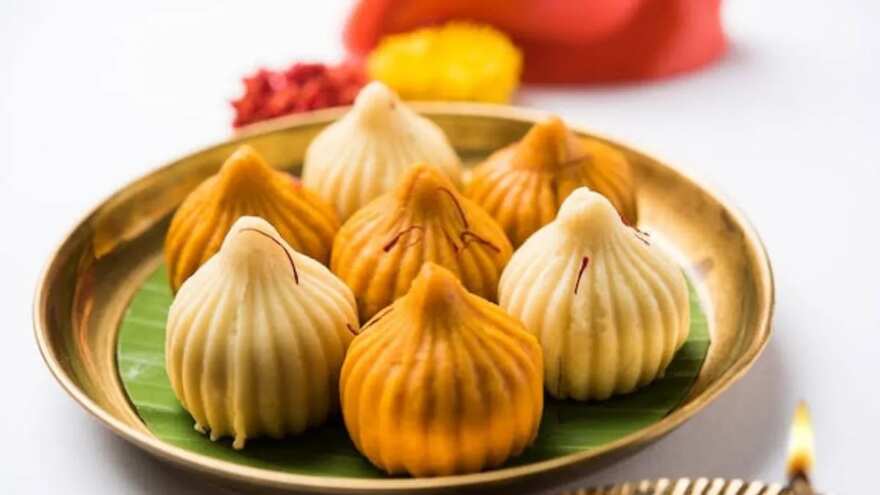
Image Credit: Freepik




