As the year draws to a close, the streets of Kolkata are filled with twinkling lights and the aroma of festive delicacies. Park Street is filled with the sound of church bells ringing, bakeries gleaming with nostalgia and houses filling with the distinct scent of spices cooking on the stove. This is the time for generations of Kolkata families to resume their most beloved Christmas custom; making the yearly fruitcake. And then there is New Market. A place that shines in red, green and glitter for the festive seasons, with everyone running here and there or maybe packing their cakes from Nahoum’s.
With mounds of candied peels catching the light, cherries shining like little ornaments, raisins measured out for family recipes, and spice blends whose perfume instantly communicates that winter in Kolkata has finally come, the entire space is alive with festive excitement. A block of unsalted white butter, which residents talk about with unexpected passion, is something many first-time visitors are surprised to find hidden among these bright necessities. This is the renowned Aligarh butter, a subtle mainstay of the city's Christmas baked goods. Want to know what Aligarh butter is, and its interesting links to the city of joy? Read on to know more.
What Is Aligarh Butter?
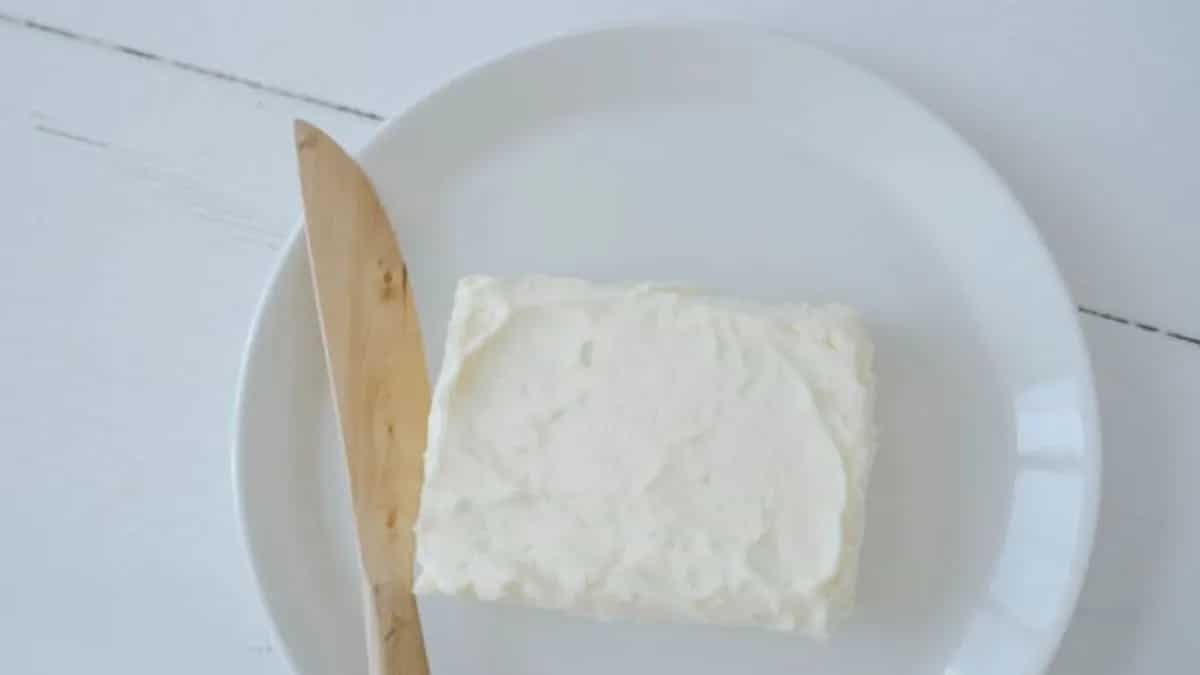
Once you know what to look for, you'll see it immediately. Aligarh butter is light, snowy, and almost retro in its simplicity. This little butter has held together generations of Kolkata's most cherished Christmas cakes. It is the basis for Anglo-Indian rum-rich loaves and the recipe for homemade baked goods that have been preserved in time-stained notebooks. Aligarh butter is more than simply an ingredient for many households; it's a part of the city's festive spirit. Every block feels like a guarantee that the Christmas cake you grew up with will never change. It will always be rich, fragrant, and infused with that distinctive Kolkata warmth even as Kolkata changes.
Image Credit: Pexels
Long before baking gained popularity on Instagram, Kolkata was already ahead in the game. The name of the butter, obviously, comes from Aligarh, a dairy powerhouse in Uttar Pradesh, where small-scale producers have spent years churning thick, full-fat butter for anything from baked goods to homemade ghee. It's traditional, reliable, and in some ways feels like a peaceful link between our current baking methods and earlier holiday customs.
How One Humble Block Of Butter Became Kolkata’s Christmas Icon
Selling milk products from Aligarh helped National Dairy establish its reputation within Hogg Market. Blocks of freshly cut white butter were piled high on its counters for decades, and patrons could identify the UP town by name and flavour. Because of its superior quality, white butter gained popularity. 650 ml of ghee can make 1 kg of this famous white butter. Families would arrive in search of pure butter for everyday use, in addition to bakeries, and their eyes would be glued to the block of Aligarh butter.
Image Credit: Pexels
Aligarh butter used to travel all the way from the north in bulky wooden crates on midnight trains; it didn't just appear silently in stores. Traders would crack them open and perform a traditional purity check once they arrived. They would apply a small amount of butter to the back of their hand, rub it in, and then slowly sniff it. Real butter felt smooth and solid, never greasy or runny, and always had that warm, almost ghee-like scent. Every winter, this small ceremony takes place beneath New Market's red-brick arches, just before the blocks are given to families preparing to bake for Christmas.
When The World Paused, Kolkata’s Butter Story Shifted post-COVID-19
The pandemic was a time that not only stopped the world but also subtly altered long-standing supply chains. Getting butter all the way from Aligarh suddenly became a task Kolkata's traders couldn't always satisfy due to delayed transportation routes and skyrocketing expenses. Following the protracted COVID-19 blockade, new Bihar producers entered the market and offered their own unsalted white butter at reasonable costs for a recovering consumer base. The original Aligarh crates gradually ceased coming, scarcely unnoticed at first.
However, the name persisted. Even today, customers enter New Market and ask for ‘Aligarh-er makhon’, a term that has more to do with nostalgia than geography. The majority of the butter consumers purchase today originates from Bihar, but its flavour and texture are reminiscent enough of the past that consumers continue the custom because sometimes taste isn't only about ingredients, but also about the stories you've grown up with.
Image Credit: Freepik
Tracking Down Aligharh Butter In Modern Kolkata
No other city seems to be able to preserve its traditions as well as Kolkata does. While most home bakers moved on and store shelves were lined with branded white butters, a few obstinate parts of the city secretly continued the traditional practices.
The original-style Aligarh butter, which is sold in solid blocks or tiny 100 gram rolls, is still only available in two or three stores in Hogg Market. The seasonal fluctuations in prices, which range from INR 300 to INR 400 per kg, haven't discouraged the loyal.
Every year, come December, families thread their way through the city’s chaos, driven by a ritual as much as a recipe to find that familiar block of butter that makes their Christmas cakes taste not just good, but like Kolkata itself—warm, comforting, rooted in heritage.