Teachers’ Day in India is observed on 5 September in honour of Dr Sarvepalli Radhakrishnan, the scholar, philosopher, teacher and second President of India, whose birthday falls on the same date. The observance was instituted in 1962, following Radhakrishnan’s suggestion that his birthday be celebrated as an occasion for teachers everywhere instead.
There is something wonderfully personal and memorable about sharing a meal with professors who have been an essential part of your college years. A Teachers’ Day potluck is not just about putting together a spread; it is about bringing a little piece of appreciation to the college table and letting teachers discover the actual people behind the students they see regularly in classrooms.
Though it may seem trivial initially, a box of homemade cutlets, freshly baked brownies, self-prepared butter chicken, or even a simple plate of sandwiches can become a conversation starter, turning an ordinary college day into a warm, food-filled celebration. And there is a reason for that.
College changes the teacher-student equation considerably. Your professor may still be the person marking your internal assessment, but they can also become the person who recommends a book, checks up on your mental wellbeing, jokes about your terrible presentation from two semesters ago, joins your canteen table or cricket game for ten minutes, or unexpectedly invites the whole class home for an impromptu feast.
The relationship becomes more informal, more conversational, more real-life oriented, and, sometimes, much more heart-touching. That makes a Teachers’ Day potluck picnic particularly appropriate for such caring college professors. Instead of another bouquet, mug, or box of sweets, gather your classmates, ask everyone to bring one dish, and invite your professors to sit down and eat with you.
It does not have to be elaborate. In fact, the best potluck is usually the one that looks as though an entire class of diverse Indians contributed a little bit of each student’s cultural and culinary identity.
Make The Potluck Feel Like A Picnic, Not A Formal Feast
Image credit: Pexels
The easiest mistake is to make everyone bring the same sort of food, especially if there is a party theme. For instance, if six students arrive with six varieties of fried snacks, you will have an impressive amount of crunch but very little balance going for the picnic. Of course, the foods can be thematic yet diverse. The meal planning approach simply needs to be viewed differently.
Give people loose categories instead of strict restrictions: one person handles savoury snacks, another brings a substantial main dish, someone else brings a couple of salads or fresh sides, while two people take charge of drinks and another brings dessert. This allows your table to develop naturally while remaining tied by a common thematic thread.
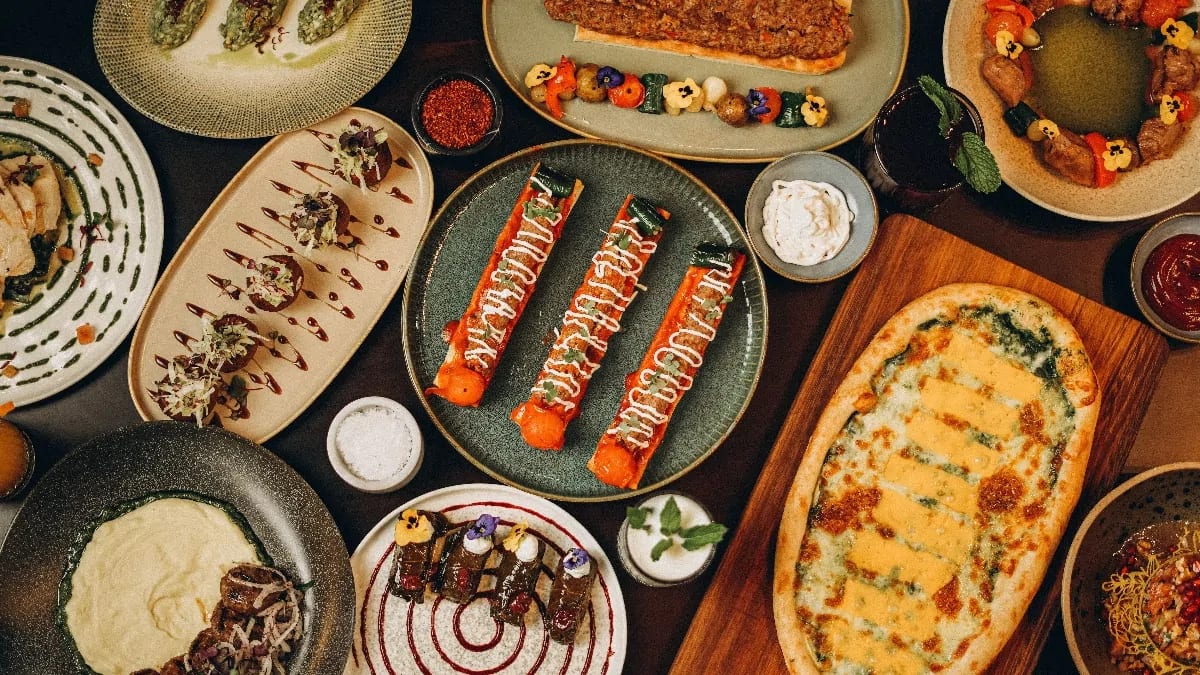
There is also no reason to abandon Indian food simply because it is a college celebration. A potluck can happily move from Bengali-style chops to Lucknowi chicken seekh kebabs to Gujarati handvo bites and more, without pretending that everything belongs to one cuisine. The result usually is indulgent, colourful and celebratory without becoming one enormous plate of refined carbohydrates or protein-rich appetisers only.
Teachers’ Day Potluck Food Ideas For Your Favourite College Professors
Mini Lucknowi Galouti Kebab Sliders
Image credit: Pexels
This dish could become the fanciest appetiser of the table, due to its flavour-packed, sophisticated appearance. Simply make small galouti-style kebabs using finely minced chicken or lamb, onion, ginger, garlic, and warming spices. Then cook them until the kebabs are tender, and tuck each one into a miniature bun with mint chutney, pickled onions and a little yoghurt.
For a vegetarian version, you can use finely mashed mushrooms, paneer or roasted gram. The combination of soft kebab, tangy onion and chutney makes these sliders much more interesting than standard sandwiches, while the miniature format makes them easy to eat without using any plates and cutlery.
Mini Basket Chaat
Instead of preparing an ordinary papdi or samosa chaat, turn the entire thing into an edible little basket. Use small baked or fried papdi baskets and fill them with a choice of fillings, such as spiced chickpeas, potatoes, yoghurt, tamarind chutney, green chutney, sev, pomegranate, and coriander.
Image credit: Pexels
The trick to nailing this creative dish for potlucks is to transport every component separately and assemble just before eating. That helps preserve the integral structure and contrast between crisp pastry, creamy yoghurt, and juicy chutneys. This dish’s strength lies in its DIY adaptability, so you can also keep a ‘choose your own topping’ station to let professors and students build their own basket chaat.
Mangalorean Chicken Ghee Roast Cups
This dish invokes the flavours of chicken ghee roast and turns them into a portable appetiser. To make these cups, cook bite-sized pieces of chicken with roasted red chillies, coriander, cumin, garlic, tamarind, and a modest amount of ghee until the masala clings thickly to the meat. Then serve each portion in small lettuce or crisp puff pastry cups, or simply alongside miniature neer dosa pieces.
The rich, spicy masala makes the snack feel celebratory, while the little portions stop it from becoming a very filling main course. For making a vegetarian version, you can use mushrooms or paneer, though the mushroom version works better with this roasted masala.
Gujarati Handvo Squares
Handvo can make an unexpectedly sophisticated potluck addition when cut into neat little squares. To prepare this visually appealing appetiser, make the fermented rice-and-lentil batter with grated bottle gourd, ginger, green chilli, and spices, before baking it until the top becomes crisp and golden. Finish the dish with a tempering of sesame seeds, mustard seeds, curry leaves, and green chillies.
Then cut into small squares and serve with coriander chutney. It is substantial enough to prevent the potluck from becoming an endless procession of fried food, but still has enough texture and seasoning to make all reach out for another bite.
Gulab Jamun Cheesecake Cups
And now for the inevitable argument about which dessert is the best. Instead of bringing an enormous cake that needs to be sliced outdoors, make individual cheesecake cups for convenience and culinary victory. Easy to make yet highly coveted, this dessert requires you to just layer crushed biscuits, a lightly sweetened cream-cheese or rabdi mixture, as well as small pieces of gulab jamun in transparent cups.
Finish garnishing with pistachios, saffron and rose petals, before chilling and serving. This dessert feels recognisably Indian while borrowing the format of a contemporary cheesecake jar. More importantly, there is no cutting, serving or debate over who received the largest piece. For a lighter option, you can replace some of the cream cheese with Bengali mishti doi or just thick hung yoghurt.
Mini Phirni Pots With Pistachio And Rose
If the class wants something more traditional and desi, then individual phirni pots are difficult to beat. Prepare your phirni with ground soaked rice, milk, sugar, cardamom, and saffron. Chill it thoroughly before spooning into small earthen pots or reusable cups.
Finally, top off each pot with chopped pistachios, almonds, saffron, and a few dried rose petals. The little portions look very elegant on a potluck table and can be prepared the previous evening, making them particularly useful when college students are already juggling classes, assignments, and celebration preparations.
The Best Dish Might Not Be The Most Impressive One
A college Teachers’ Day potluck is ultimately less about demonstrating culinary expertise and more about celebrating your professors. The strict prof who normally stands at the front of a classroom is suddenly sitting on a picnic mat asking whether the snacks are homemade. While students who discuss assignment deadlines are arguing over who brought the best kebabs, another is inevitably trying to convince a strict professor to take one more gulab jamun, while shaking at their knees internally.
This transcendence of formality is what makes the occasion memorable. There is also something fitting about food in this setting. A classroom has its hierarchy: someone teaches, others listen, assignments are submitted, and marks eventually appear. But around a shared table, those boundaries soften. Everyone contributes something, everyone gets to taste something new, and the professors become part of the celebration rather than simply its guests of honour.
After all, some of the best lessons are not delivered from a podium. Sometimes they happen over a plate of kebabs, a spoonful of phirni and a professor laughing harder than anyone expected.