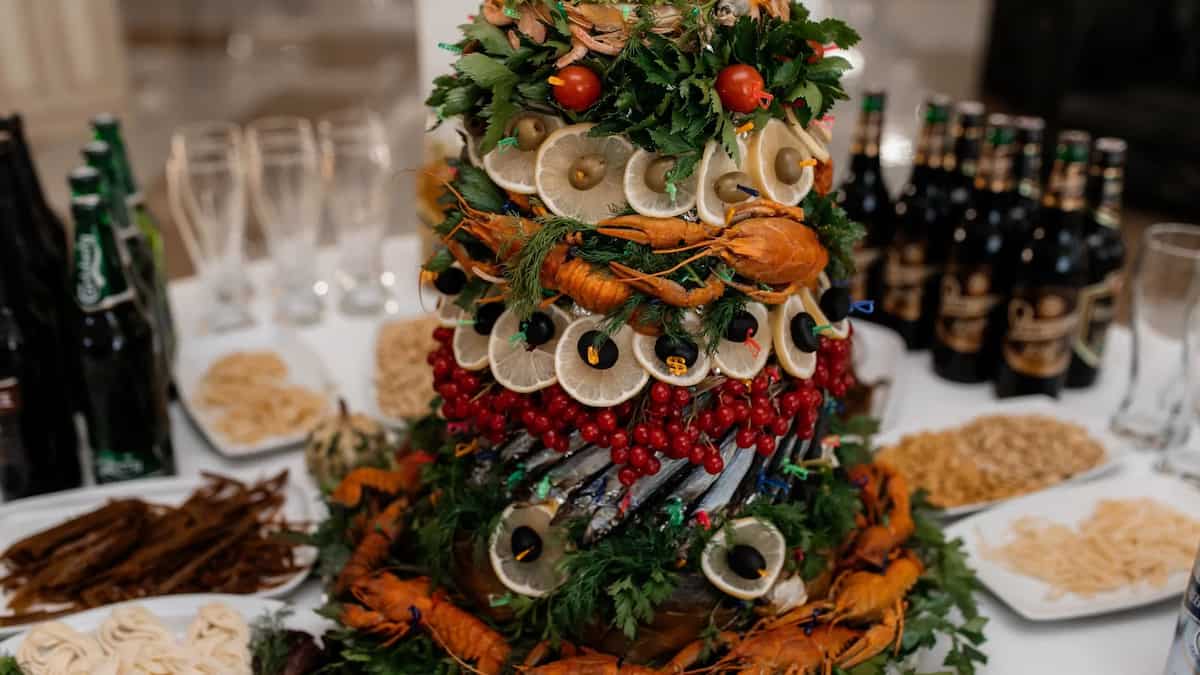
Crowded parties are difficult to host because scale changes everything. A menu that works for ten guests may fall apart when extended to fifty. Timing becomes harder to manage, especially if food needs to be served hot. Delays in plating, refilling, or clearing can quickly disrupt the flow of the event. Space is another challenge – when too many people gather around one serving area, movement slows and the atmosphere feels chaotic rather than festive.
Balancing a theme with the menu adds another layer of complexity. A themed event requires consistency in presentation, flavours, and décor. However, large guest lists often mean accommodating dietary preferences, which can dilute the original concept. Preparing diverse dishes without losing thematic focus demands careful planning. Storage, reheating, and serving logistics also increase pressure behind the scenes.
In crowded settings, small oversights become noticeable. Running out of a popular dish or misjudging portion sizes can affect guest experience. Noise levels and limited seating may also make service less organised. Hosting successfully requires anticipating these variables in advance rather than improvising. Without structured preparation, even well-intentioned plans can feel overwhelming when numbers rise.
How To Pair Menu And Theme For Big Events?
1. Let the Theme Define the Ingredient Direction
When planning a large event, the theme should shape ingredient choices from the beginning rather than being added as decoration at the end. If the theme is coastal, focus on seafood, fresh herbs, citrus, and lighter preparations instead of heavy cream-based dishes. A rustic countryside theme may call for hearty grains, roasted vegetables, and slow-cooked mains. Identifying a flavour direction early simplifies decisions and prevents a scattered menu. For big gatherings, repetition of key ingredients across dishes creates consistency while making bulk preparation easier. For example, if lemon is part of the flavour identity, it can appear in dressings, marinades, and desserts without feeling repetitive.
2. Design The Menu Around Service Practicality
A themed menu may look impressive on paper, but practicality determines success at scale. Dishes should hold their structure and flavour over time, especially in buffet-style events. Foods that wilt, separate, or lose temperature quickly create service issues. Choose items that can be prepped in stages and assembled easily. For example, plated desserts that melt rapidly may not suit crowded settings. Instead, select stable options that maintain appearance. Consider how guests will serve themselves and how quickly trays can be replenished.
3. Build The Menu Around One Defining Centrepiece
Large events benefit from one signature dish that clearly expresses the theme. This centrepiece anchors the entire spread and gives guests a clear focal point. Surrounding dishes can remain supportive rather than competing for attention. For example, a themed roasted main course can be paired with complementary sides instead of unrelated items. A strong anchor reduces the need for excessive variety.
4. Align Portion Size And Flow With The Theme
Theme influences not only flavours but also portioning and movement. A casual street-style theme may support smaller handheld servings, while a formal banquet theme requires plated courses. Planning how guests circulate through the space helps determine serving format. If mingling is expected, avoid dishes requiring cutlery. If seating is available, heavier courses become manageable. Coordinating portion size with event format prevents congestion around serving areas.
5. Adapt Dietary Needs
Large gatherings often include varied dietary preferences. Instead of offering unrelated alternatives, reinterpret the theme creatively. A barbecue theme, for instance, can include grilled vegetables or plant-based options prepared with similar seasoning. This keeps the menu inclusive without losing identity. Planning substitutions in advance avoids last-minute compromises. Flexibility within a defined concept allows everyone to participate in the experience.